Thank you Ralph:
Ziji Rinpoche (formally,Candice O’denver) is a Dzogchen lineage successor of Venerable Wangdor Rimpoche. Ziji Rinpoche offers Dzogchen teachings for all of Asia, Europe, South America, Africa, Australia, and North America, and has formal centers for study and retreat in India, Sweden, and the USA. Wangdor Rimpoche asked Ziji Rinpoche to bring about the furtherance of Dzogchen for a contemporary global culture.

Disclaimer: All words as concessions! 🌸
NotebookLM.Google.com:
Understanding Awareness: The Nature of Mind and the Transformation of Anxiety
Executive Summary
This briefing document synthesizes the core teachings of Ziji Rinpoche (Candice O’denver) regarding the nature of awareness and its relationship to the human experience of “points of view,” particularly negative emotional states like anxiety and fear.
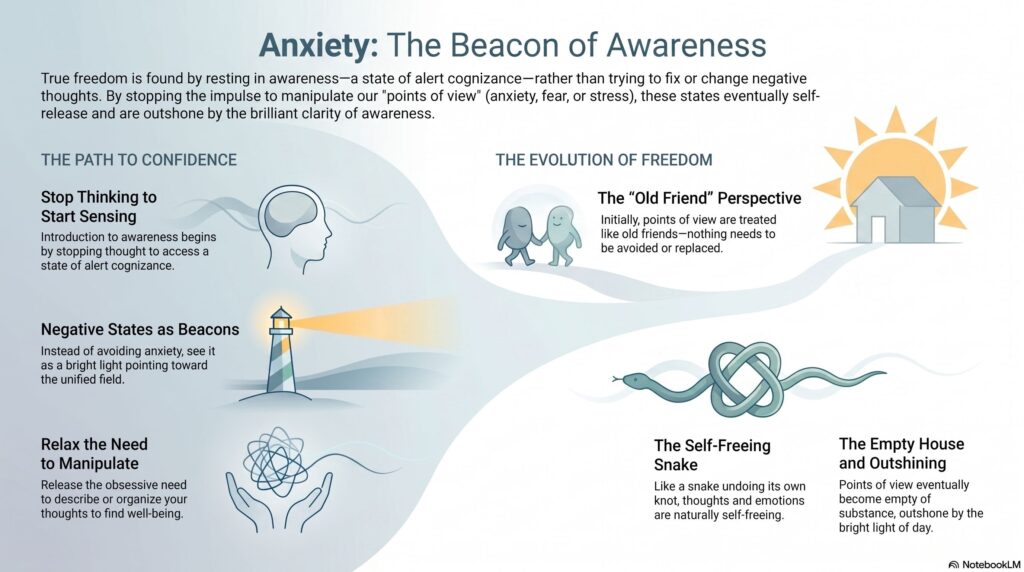
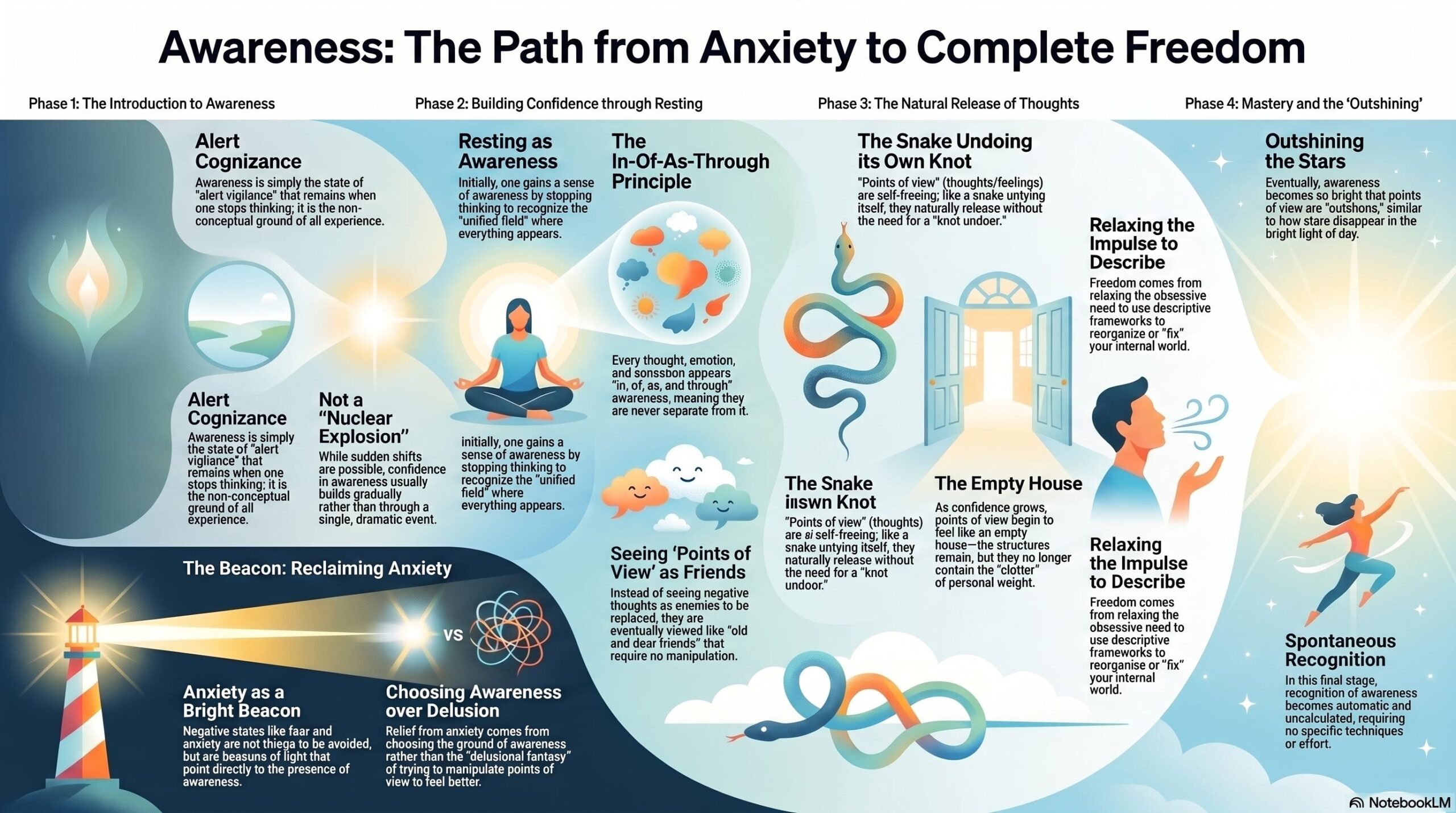
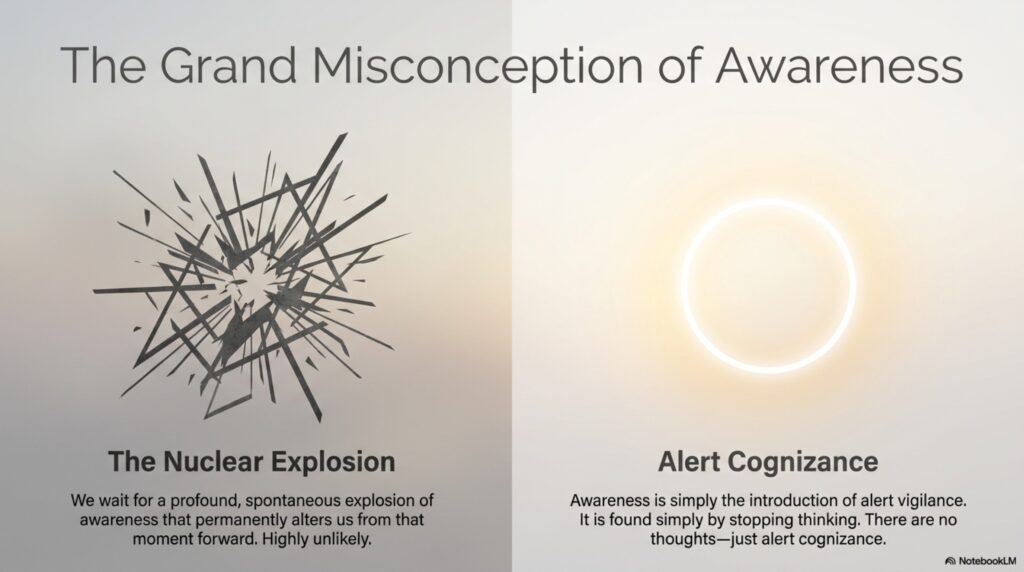
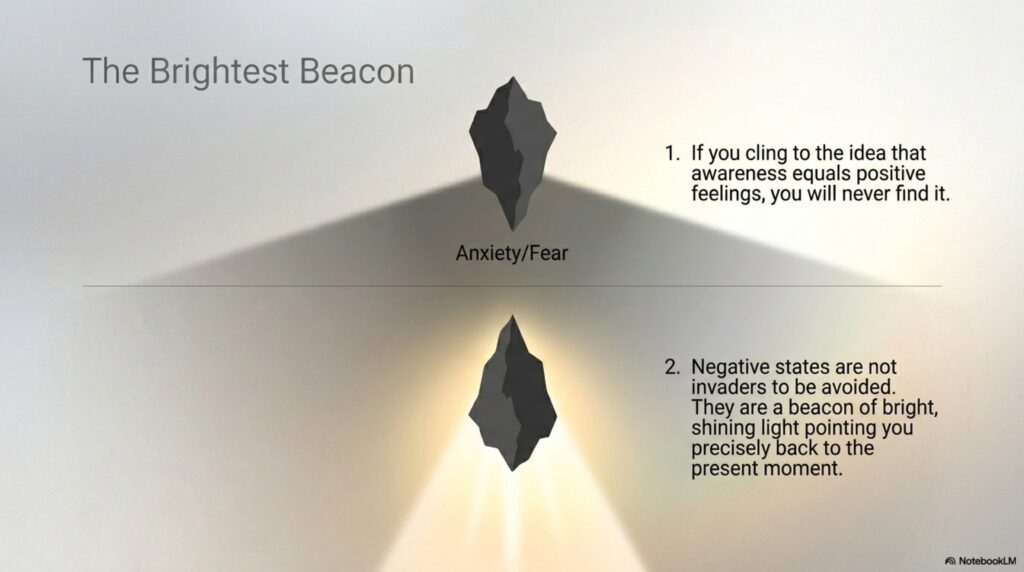
The central thesis posits that awareness is an ever-present, alert cognizance that is often obscured by the impulse to manipulate or describe our experiences. Rather than seeking a sudden “nuclear explosion” of enlightenment, the path involves gaining confidence in awareness as the ground in which all thoughts, emotions, and sensations appear. Crucially, negative states are framed not as obstacles to be removed, but as “beacons of light” that point back to the unified field of awareness. By resting as awareness and abandoning the calculated effort to reorganize or avoid specific states, individuals move from a delusional fantasy of points of view toward a spontaneous, instinctive realization of complete freedom.
The Introduction and Recognition of Awareness
The transition into a state of awareness is characterized as a process of gaining confidence and familiarity rather than a singular, dramatic event. While sudden breakthroughs are possible, they are deemed highly unlikely compared to a gradual introduction.
Pathways to Introduction
- Presence and Transmission: Introduction can occur spontaneously through the presence of an individual who already possesses confidence in awareness. This allows one to “sense” themselves, perhaps for the first time.
- Stopping Thought: A practical entry point is the cessation of thinking. In the absence of thought, what remains is “alert vigilance” or “alert cognizance.”
- Recognition vs. Resting: Once awareness is known, it can be recognized spontaneously. When it is not spontaneously recognized, the practice is to “rest as awareness.”
Defining Awareness
Awareness is not a specific “state” that feels a certain way, nor is it limited to positive experiences. It is described as:
- Empty: It lacks inherent substance or descriptions.
- Brilliant: It is the source of complete clarity; it is “bright” and “brilliant” rather than a dull or stagnant state.
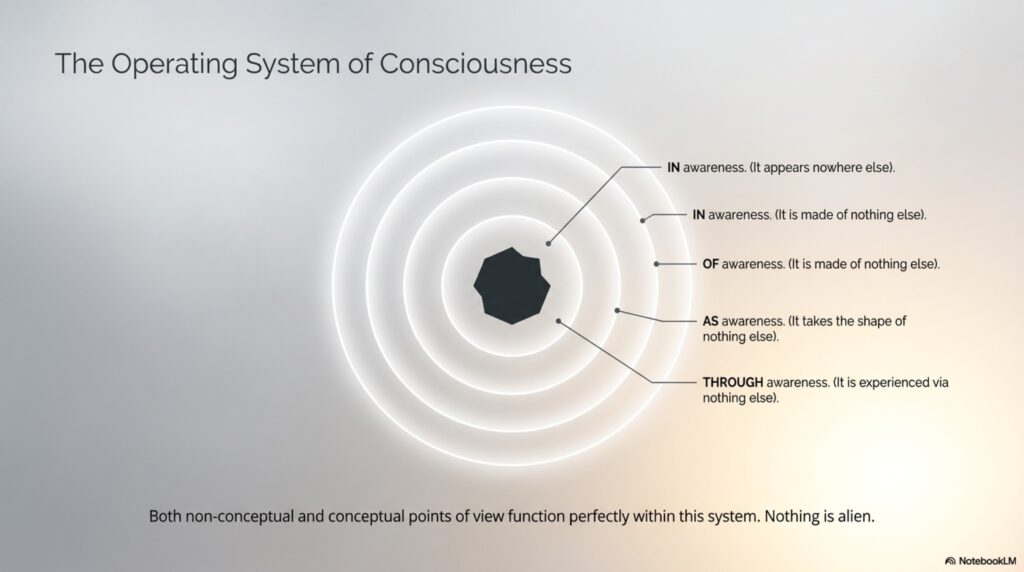
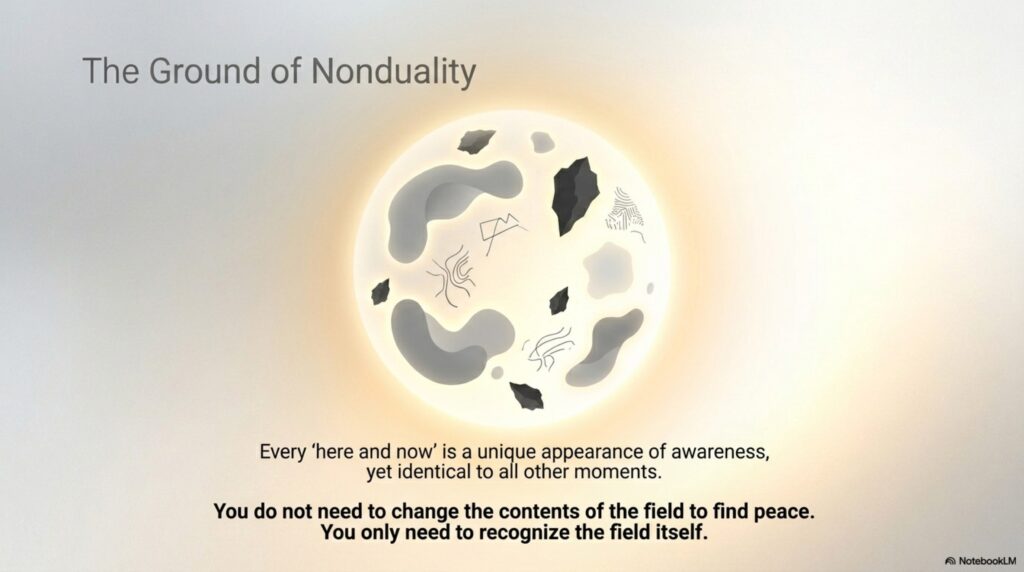
- The Unified Field: It is the ground of non-duality where everything—both conceptual and non-conceptual—appears “in, of, as, and through” it.
The Evolution of “Points of View”
The term “points of view” encompasses all thoughts, emotions, sensations, and labels. The document outlines a clear progression in how an individual perceives these appearances as their confidence in awareness grows.
| Stage | Perception of Points of View | Analogy / Description |
| Initial | Seen as enemies or obstacles to be avoided or replaced. | Calculated effort and manipulation are used. |
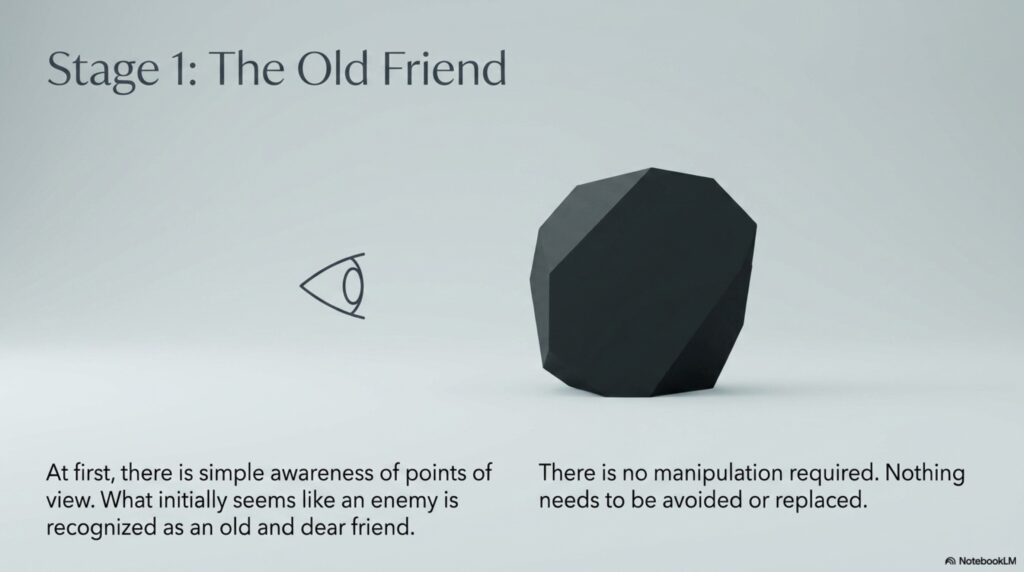
| Developing | Seen as “old and dear friends.” | Recognition that they appear in awareness; no manipulation is needed. |
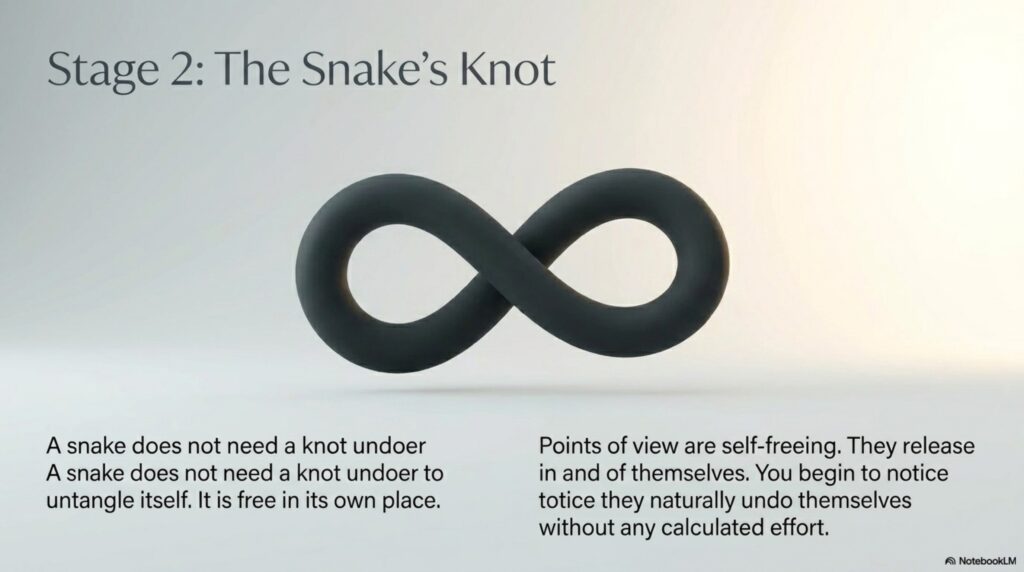
| Self-Freeing | Seen as releasing in and of themselves. | A snake un-doing its own knot; points of view are free in their own place. |
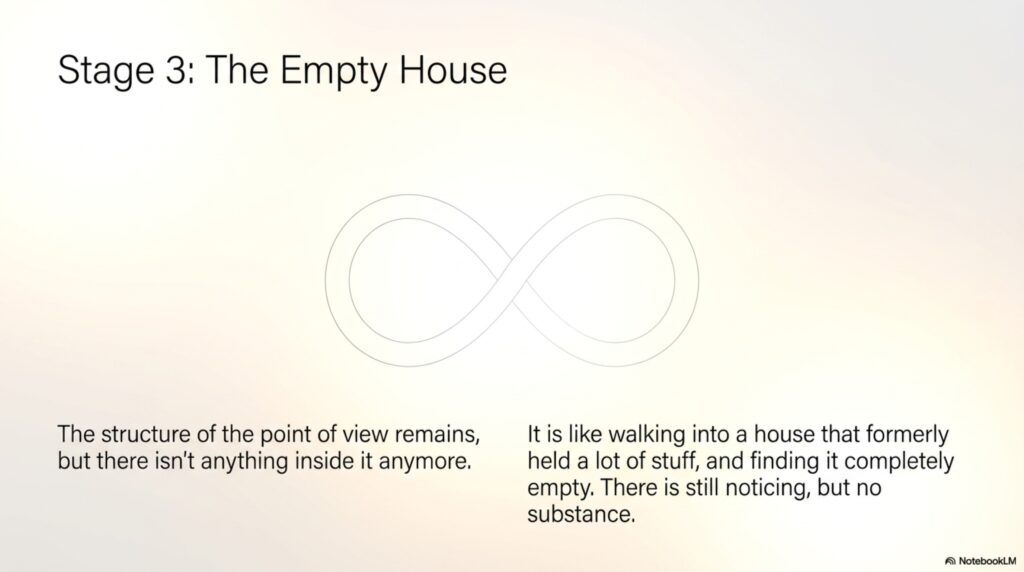
| Empty | Seen as an “empty house.” | The recognition that there is “nothing there” despite the appearance. |
| Outshone | No longer noticed or assessed. | Planets and stars being outshone by the bright light of day. |
Anxiety and Negative States as “Beacons”
A critical insight of these teachings is the revaluation of negative states. Anxiety and fear are often the primary drivers of human complication, leading to obsessive strategies for relief.
The Beacon Effect
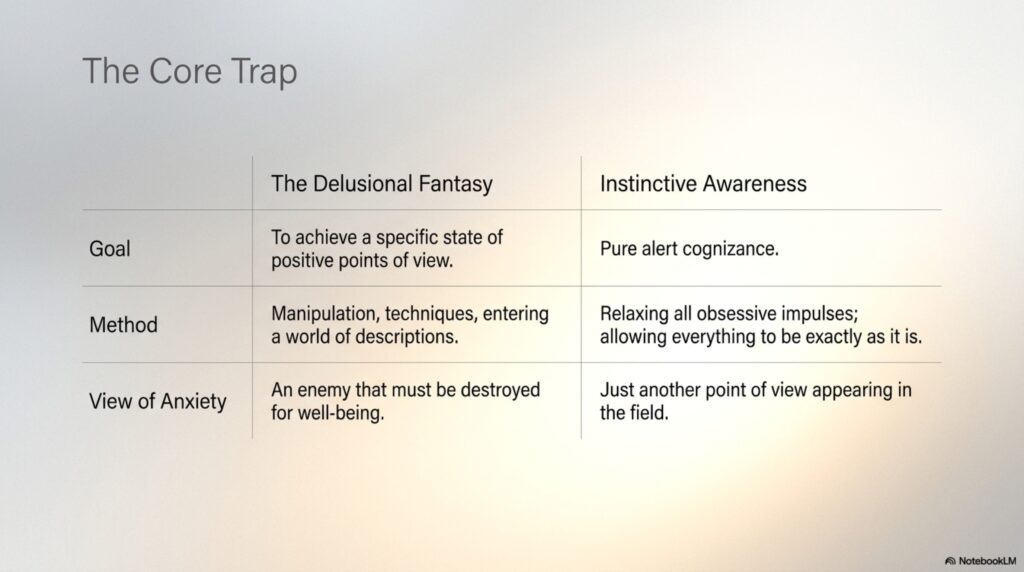
Rather than being something to avoid, negative states are described as a “bright shining light.” The document argues that if an individual clings to the idea that awareness only comprises positive states, they will never achieve “instinctive knowledge” of awareness.
Avoidance Strategies
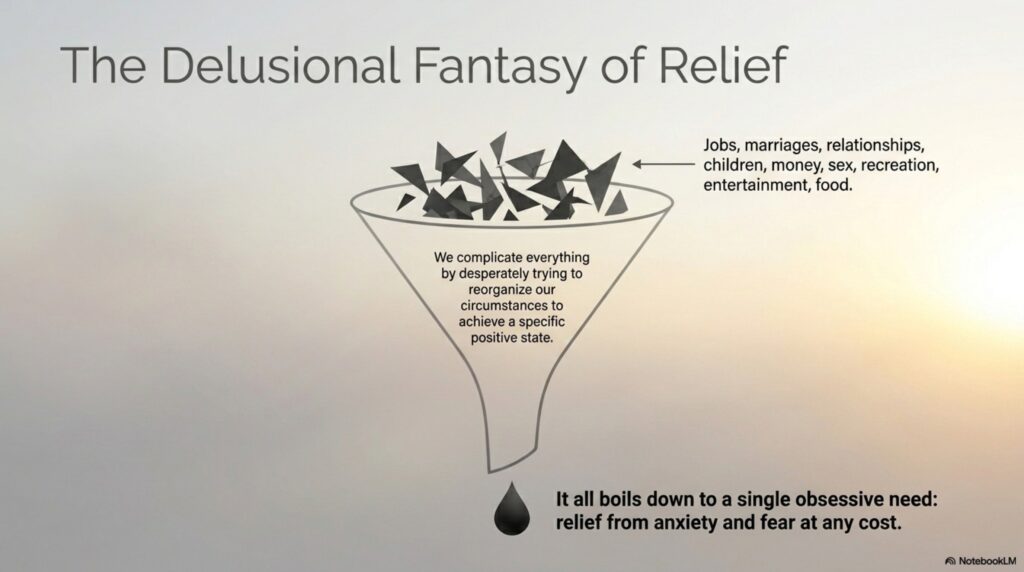
The human tendency is to seek relief from anxiety through “delusional fantasies” and external manipulations, including:
- Jobs, marriages, and relationships.
- Recreation and entertainment.
- “Food” (broadly defined to include alcohol, drugs, and other ingestibles/combustibles).
The teachings suggest that these strategies represent an attempt to reorganize points of view to achieve well-being, which ultimately complicates the simplicity of awareness.
The Practice: Resting as Awareness
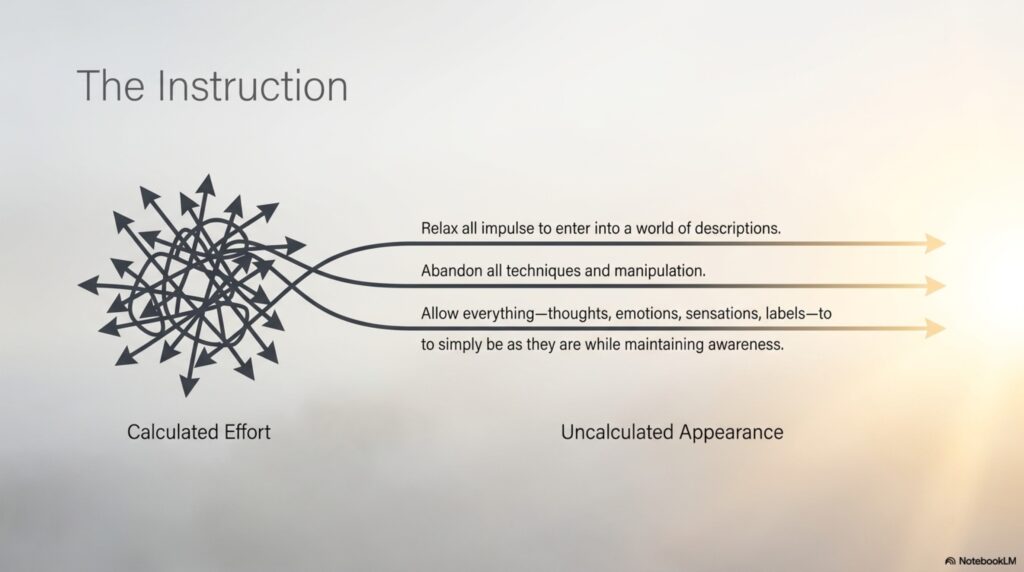
The “how-to” of realizing complete freedom is the instruction to “relax.” This involves a total cessation of the impulse to enter a world of descriptions or to manipulate reality.
Key Principles of Practice
- Abandoning Calculation: There is no need for techniques once recognition becomes automatic. Initially, one may “rest” to get a sense of awareness, but eventually, the process becomes spontaneous.
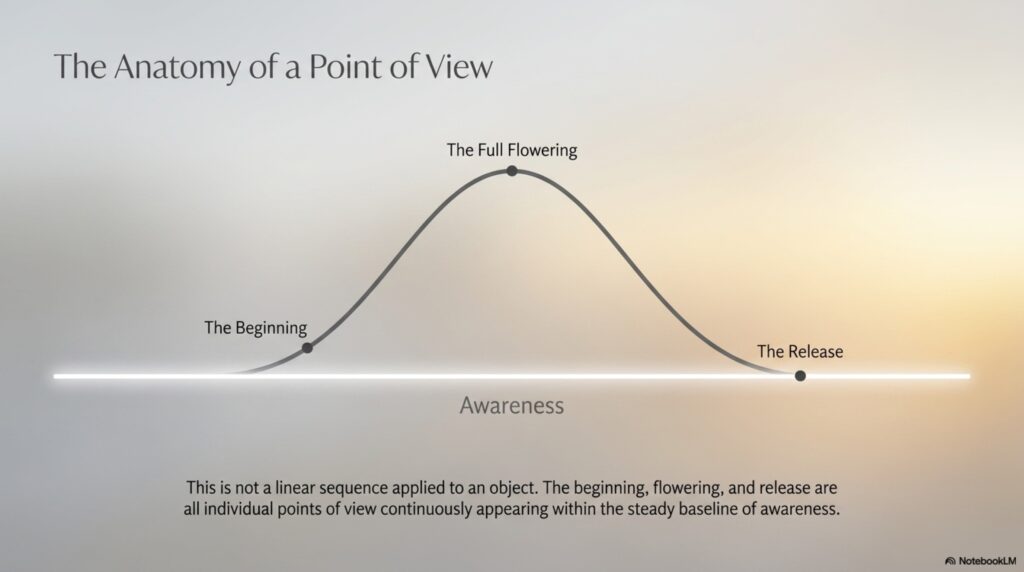
- Non-Linearity: While we may perceive a sequence of a point of view beginning, flowering, and releasing, these stages are themselves just individual points of view. Awareness is obvious throughout the entire “so-called process.”
- Shattering Frameworks: Realization requires letting go of all descriptive frameworks. Awareness cannot be “nailed down” or examined for properties; every “here and now” is a unique appearance of awareness.
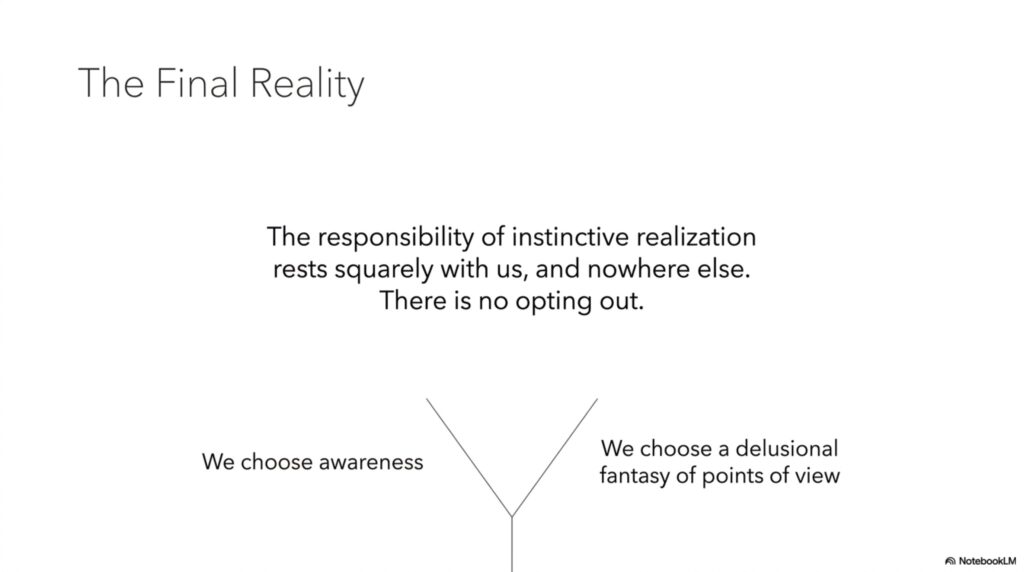
- Radical Responsibility: The responsibility for realization rests “squarely with us.” There is no “opting out” through strategies or points of view.
Lineage and Global Context
The teachings provided are rooted in the Dzogchen tradition.
- Ziji Rinpoche (Candice O’denver): A lineage successor of Venerable Wangdor Rimpoche.
- Mission: At the request of Wangdor Rimpoche, Ziji Rinpoche is tasked with bringing Dzogchen to contemporary global culture.
- Reach: Teaching and retreat centers are established across India, Sweden, and the USA, with a reach extending across Asia, Europe, South America, Africa, Australia, and North America.
Conclusion
The source material presents a choice: one can either choose awareness—the simple, uncalculated resting in alert cognizance—or continue to choose the “delusional fantasy of points of view.” By treating anxiety and fear as guides rather than enemies, the individual can stop the compulsive cycle of manipulation and recognize the brilliant, empty clarity that is always present.

Leave a Reply