Roger Castillo – Biological layer, psychological layer, and Consciousness layer of the human being.

Disclaimer: All words as concessions! 🌸
Concise Summary.by GetRecall.ai
The Misunderstanding of Happiness
- The concept of happiness is often misunderstood, and people assume it can be found in the flow of life, which is not the case (00:01:36).
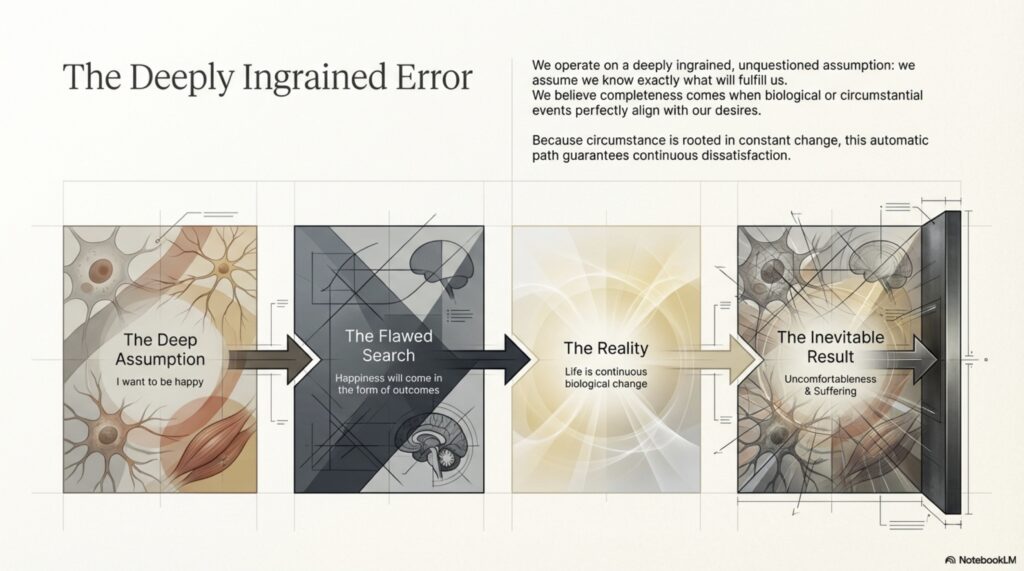
- The question of what one is really looking for in life is important, as people often have a wrong answer to this question, which prevents them from finding true satisfaction (00:03:30).
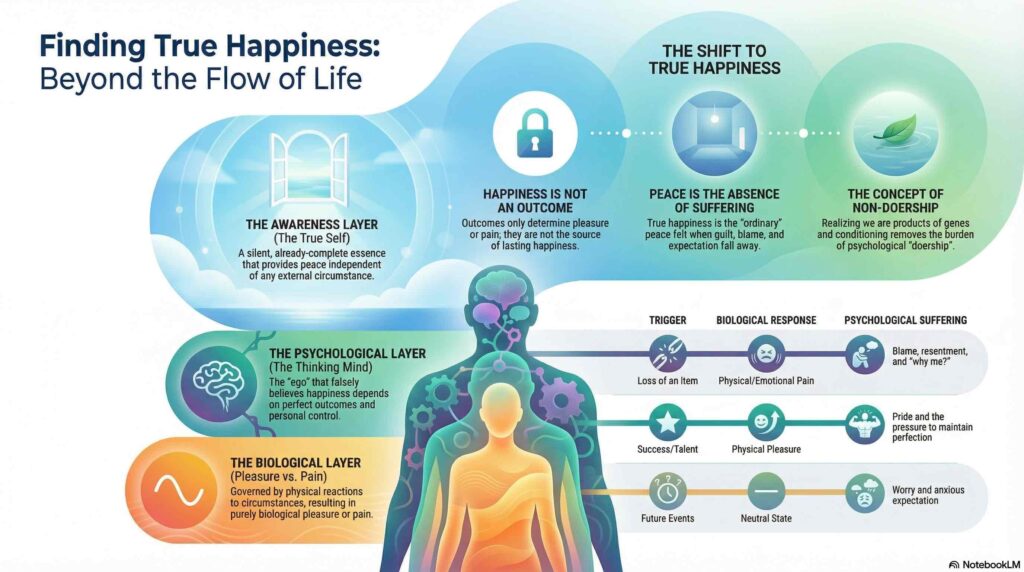
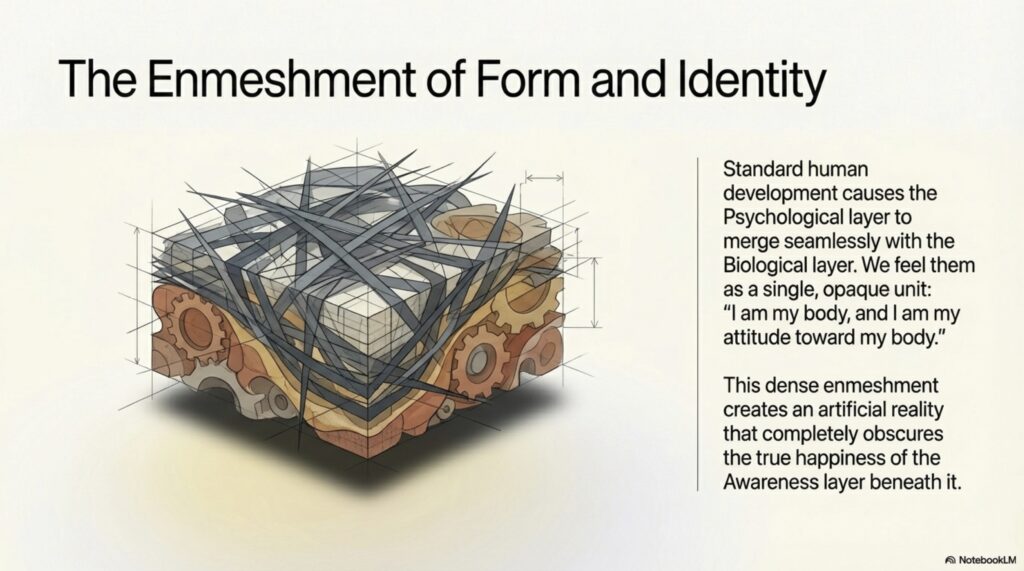
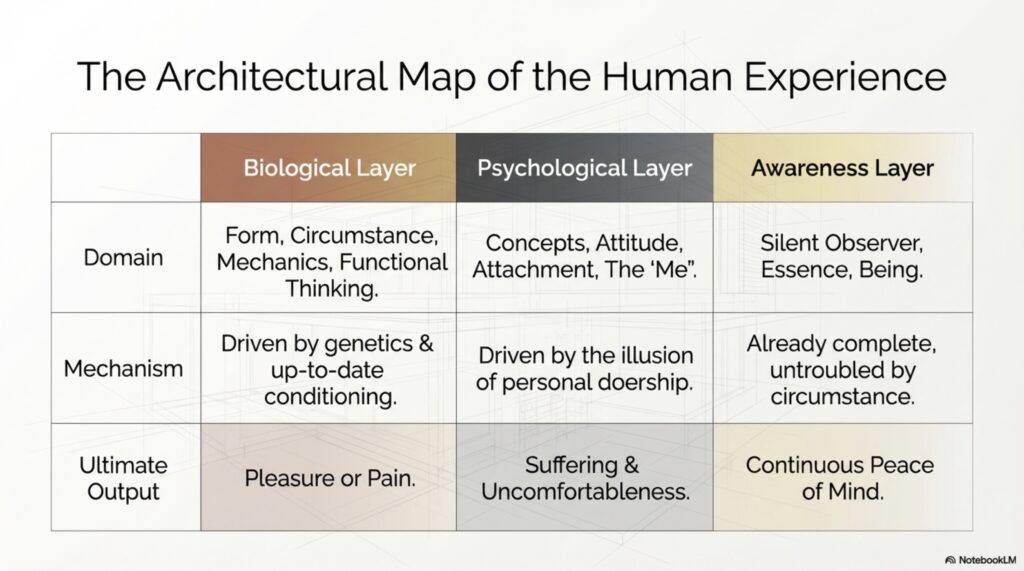
- The human being is made up of multiple layers, including the biological and psychological levels, and the psychological level often mistakenly identifies happiness with biological outcomes, such as pleasure or pain (00:11:01).
- The problem of uncomfortableness is what people really face throughout the day, and it’s not about achieving fame or fortune, but rather about being comfortable with one’s own existence (00:16:41).
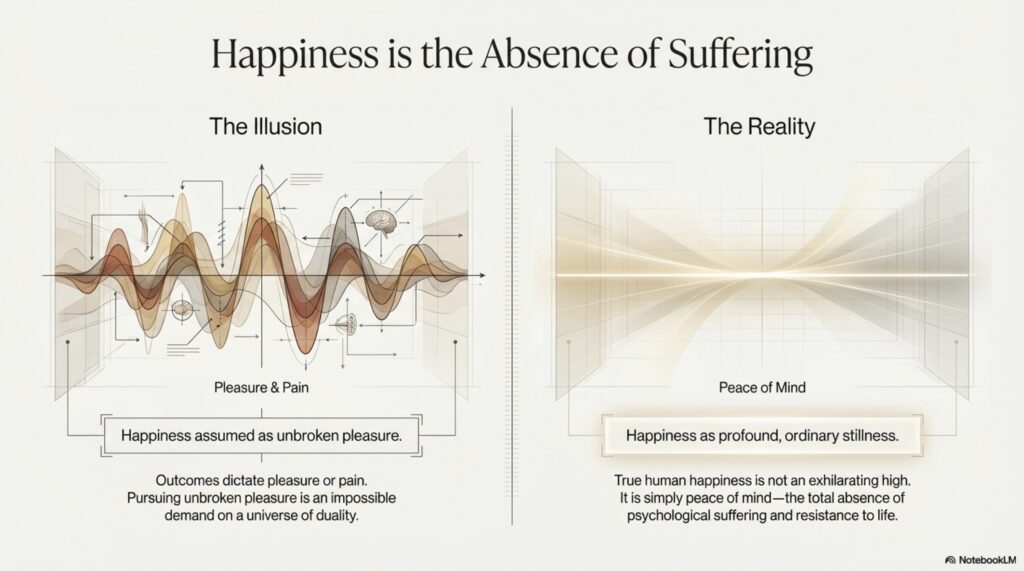
- Happiness is not found in outcomes, but rather in the absence of suffering, which is the peace of mind that is available to humans on a continuous basis (00:18:24).
The Nature of Suffering
- The problem of uncomfortableness is what people really face throughout the day, and it’s not about achieving fame or fortune, but rather about being comfortable with one’s own existence (00:16:41).
- Happiness is not found in outcomes, but rather in the absence of suffering, which is the peace of mind that is available to humans on a continuous basis (00:18:24).
- The peace of mind that is available is often misunderstood as being related to circumstances, but it’s actually the result of a certain type of thinking stopping, and this can happen regardless of the circumstances (00:24:06).
The Biological and Psychological Layers
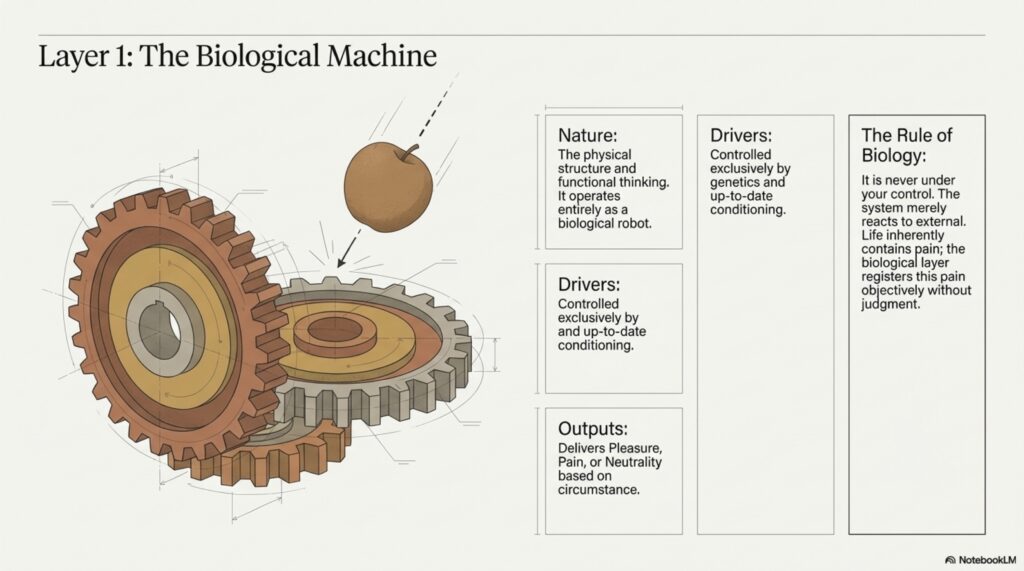
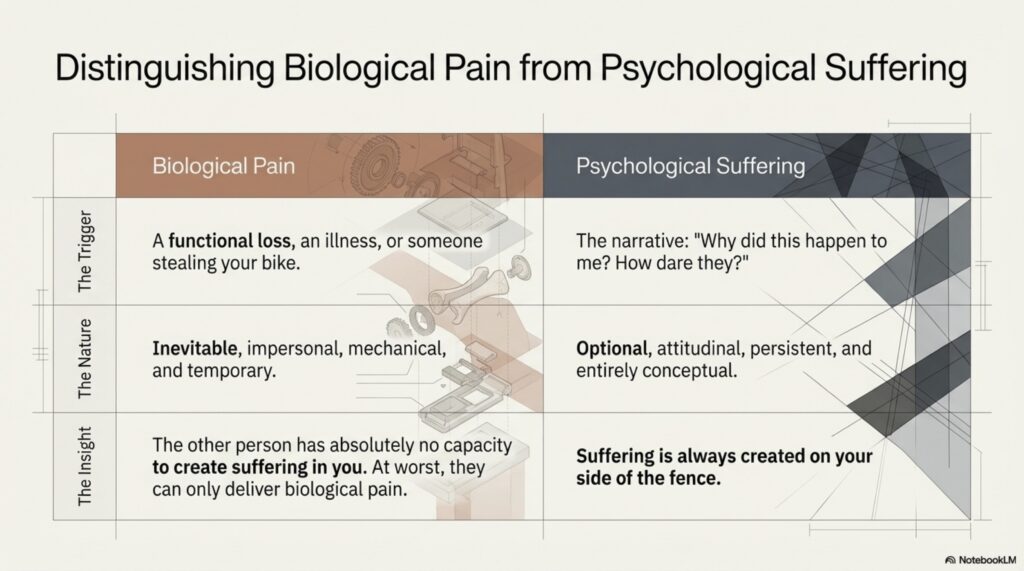
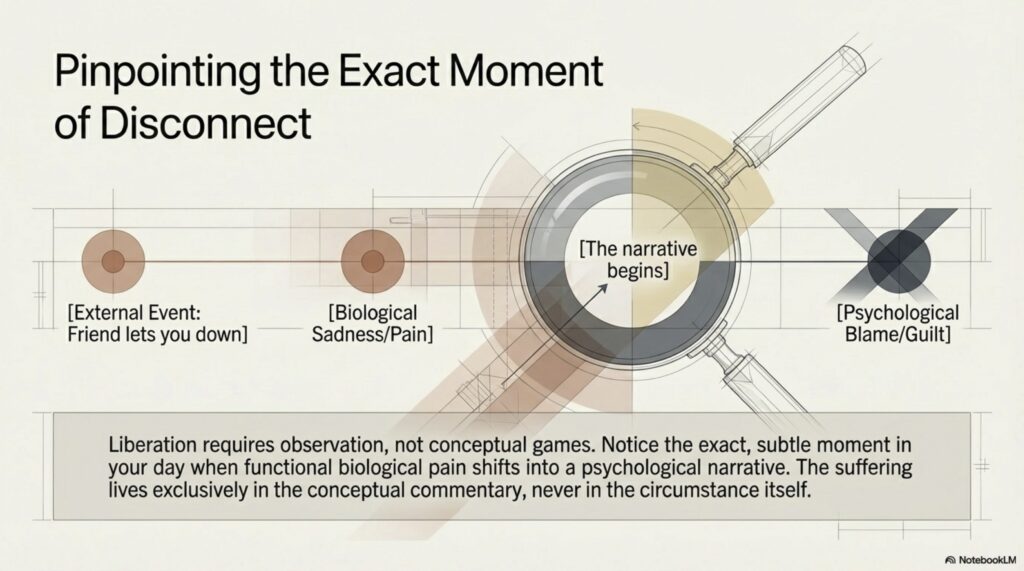
- Biological thinking can be pleasurable, painful, or neutral, and it doesn’t create suffering or uncomfortableness on the level of self (00:31:40).
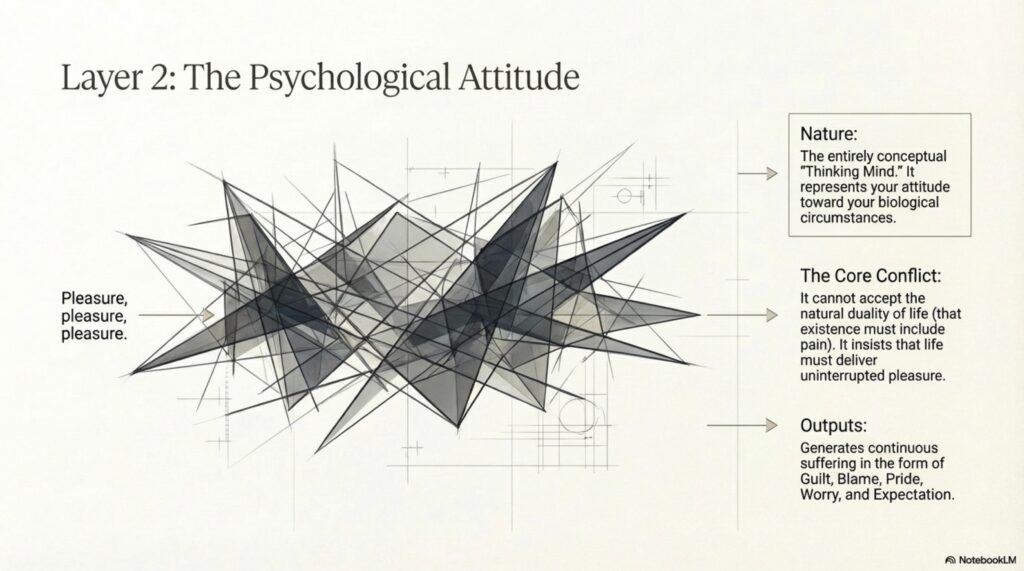
- The psychological self tends to reject pain and seeks pleasure, assuming that happiness is found in pleasure, and this creates a dynamic where it can’t accept life’s dual nature of pleasure and pain (00:32:53).
- The psychological self has deep roots on the unconscious level, and its functioning can lead to a feeling of uncomfortableness, often stemming from a narrative of thought based on a false sense of self, such as the belief “I am not worthy” (00:36:58).
The Psychological Self and Its Errors
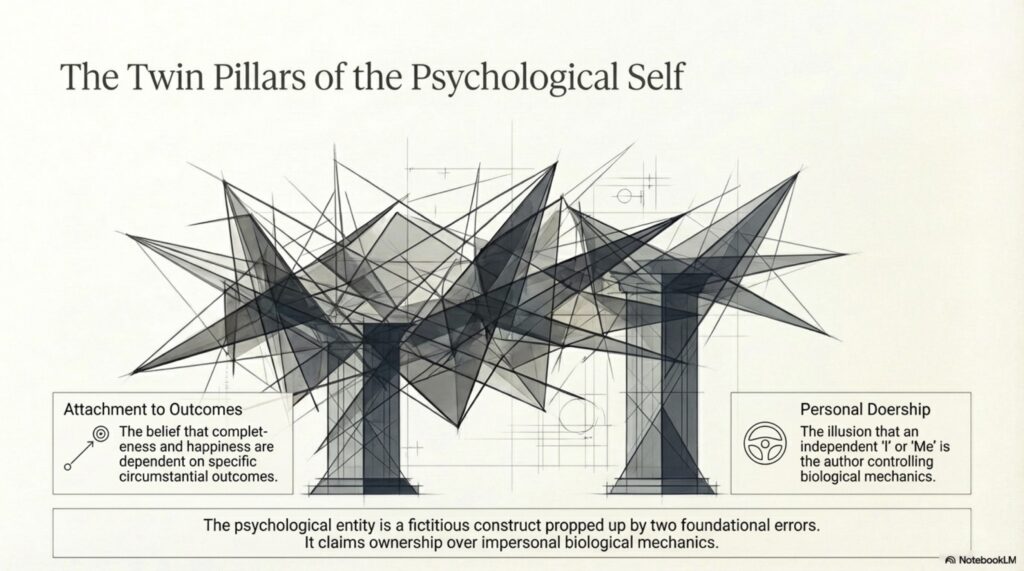
- The notion of original sin or error refers to the idea that thinking “I am not good enough” is linked to the belief that happiness is found in outcomes, and this error is passed down through generations (00:41:00).
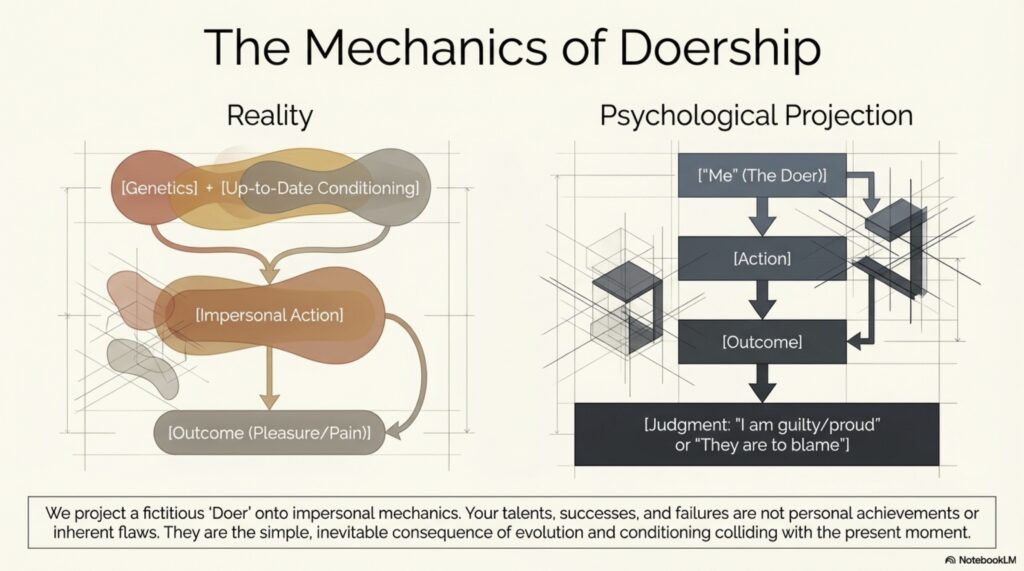
- The psychological self’s involvement in outcomes and judgment of self and others creates unhappiness, and recognizing this can help in seeing that things happen based on mechanics, not personal control or doership (00:41:43).
The Three Layers of Human Consciousness
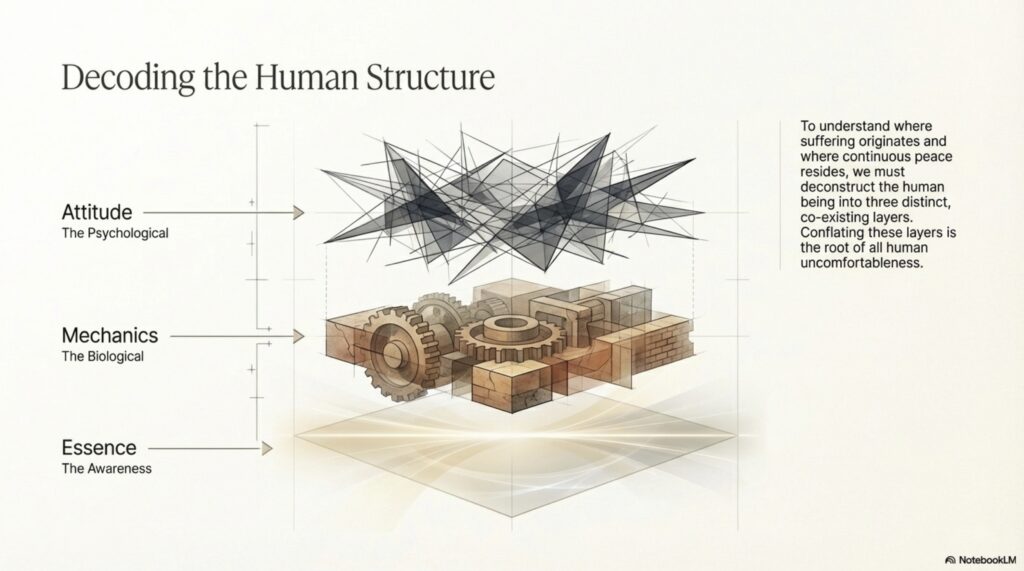
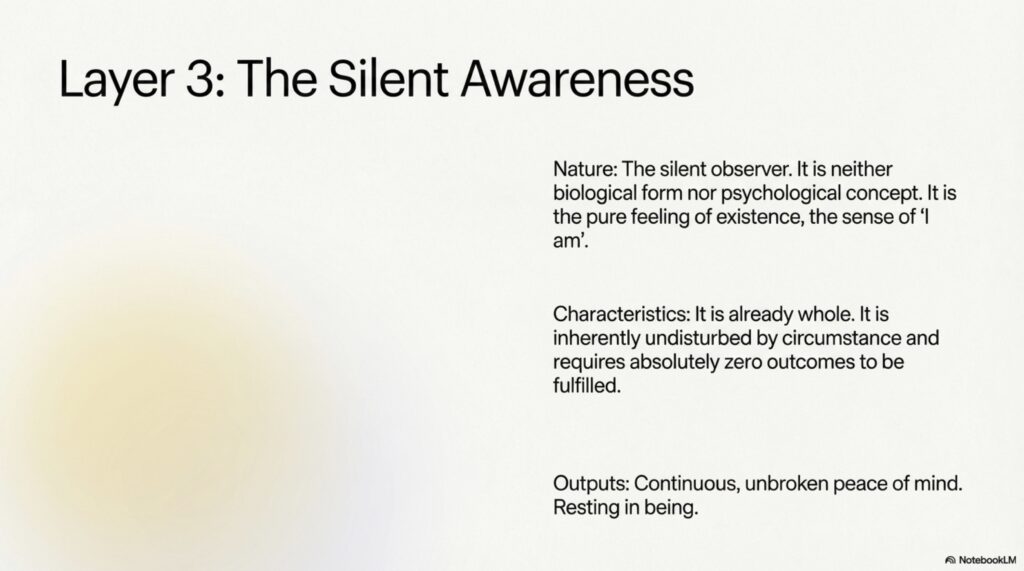
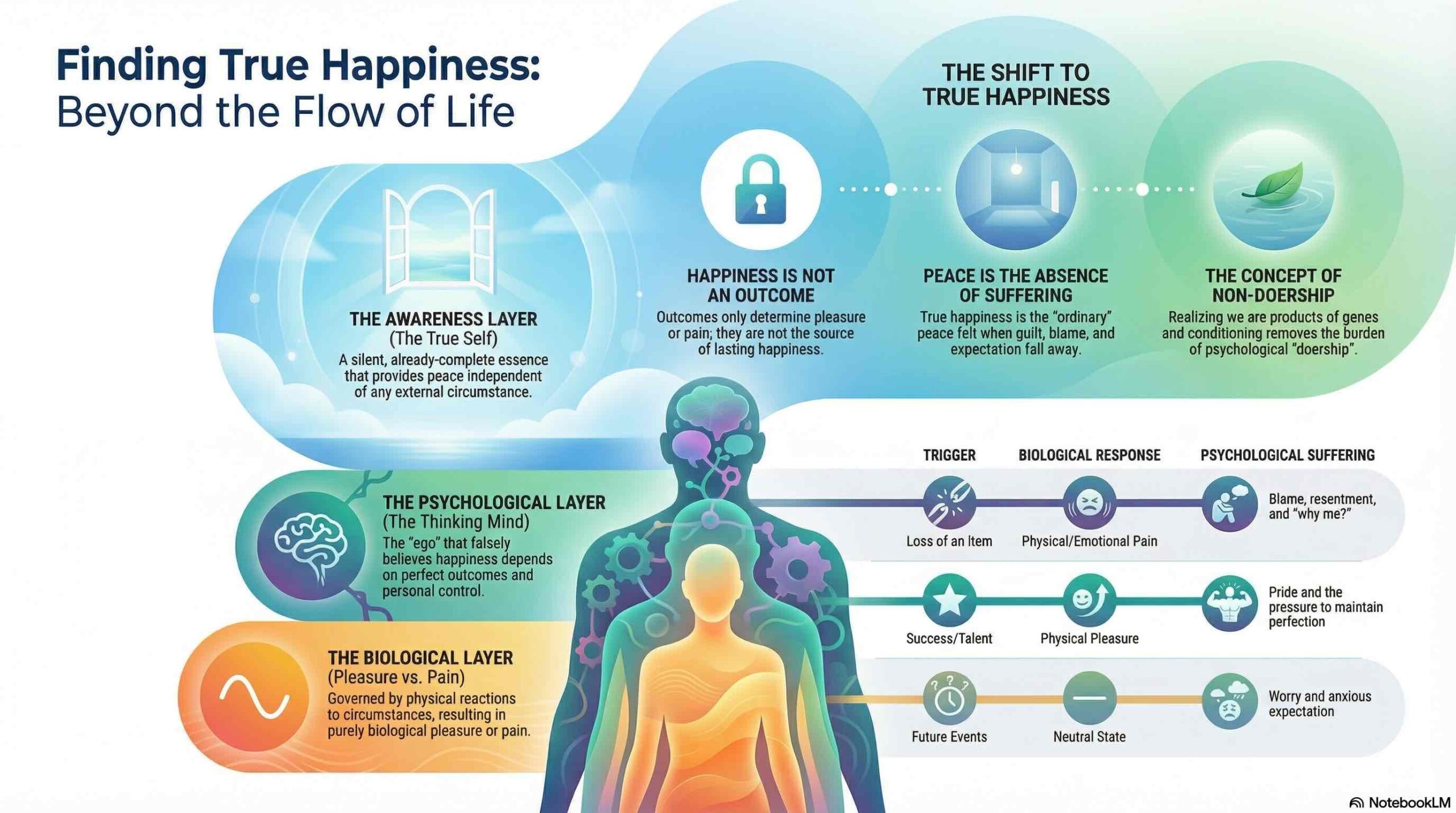
- The human being has three layers: the biological, psychological, and awareness layers, with the awareness layer being the core of the human being and the aspect that is already complete and happy, independent of circumstance (00:47:57).
- The psychological self is a fictitious idea that can fall away, and when it does, the biological mechanics will still function, but they won’t be seen as being controlled by the self (00:46:44).
- Happiness is not found in circumstance, but rather in the awareness layer of the human being, and suffering is a result of psychological involvement in circumstance and identification with form (00:48:31).
The Dissolution of the Psychological Self
- The psychological self is a fictitious idea that can fall away, and when it does, the biological mechanics will still function, but they won’t be seen as being controlled by the self (00:46:44).
- Happiness is not found in circumstance, but rather in the awareness layer of the human being, and suffering is a result of psychological involvement in circumstance and identification with form (00:48:31).
- The human being has three layers: biological, psychological, and awareness, with the sense of existence belonging to the awareness layer (01:01:45)
- The psychological self is a construct based on misunderstanding and gets smaller as the misunderstanding collapses, allowing for a groundedness in the awareness level (01:01:22)
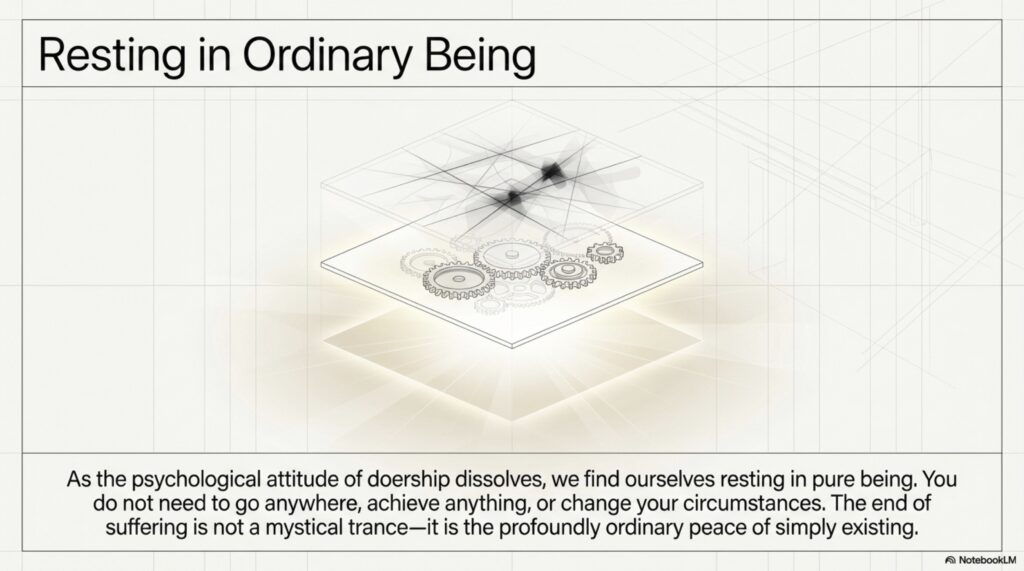
- The dissolution of the psychological self leads to the end of suffering, which is not a state of continuous bliss, but rather the absence of suffering, such as guilt, blame, and expectation (01:04:24)
The Nature of Suffering and Attitudes
- Suffering is not caused by circumstances, but by one’s attitude towards those circumstances, and this attitude is often invisible until it is described and recognized (01:15:08).
- The attitude of attachment to outcome can lead to suffering, and recognizing this attitude can help diminish the suffering over time (01:15:25).
- There are different layers to the human being, including the biological, psychological, and consciousness layers, and understanding these layers can help individuals see that suffering is not circumstantial, but rather attitudinal (01:21:54).
The Process of Change and Dissolution
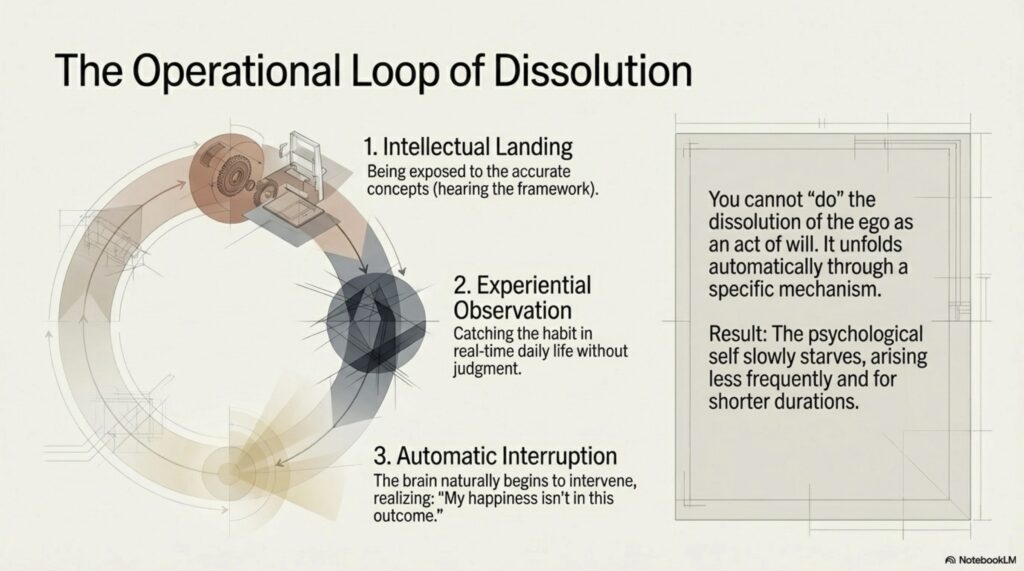
- The dissolution of suffering can be helped along by intellectually understanding the dynamics of suffering, seeing those dynamics at play in one’s own life, and then interfering with the habits that lead to suffering in a healthy way (01:26:09).
- The process of change and dissolution is unique to each individual and can be influenced by a combination of factors, including intellectual understanding, personal experience, and awareness (01:27:51).
The Role of Spiritual Teachings
- The top-down teachings, such as those from Ramana, Nisargadatta, and Eckhart Tolle, point to the self level, which is not on the biological or psychological level, and create an awakening and appreciation of the subtle layer (01:45:28).
- These teachings can lead to a sense of detachment and bypassing of the biological and everyday living, but this can also leave some concepts in place, such as the idea that the world doesn’t exist, which can lead to an imbalance if perpetuated (01:46:55).
- Ramesh’s teachings are seen as a way to integrate the understanding into daily living, accepting the biological and emerging awareness as two parts of the whole, and eliminating the psychological level (01:47:42).
Applying Spiritual Teachings in Daily Life
- When faced with feelings of unworthiness, it’s natural to carry hard feelings for the other person, but the suffering is always created on one’s own side of the fence, and the other person’s actions can only create pain, not suffering (01:49:20).
- The attitude of doership can lead to feelings of weakness and inadequacy, but recognizing that there is no doer and that suffering is created on one’s own side of the fence can help to dissolve these feelings over time (01:54:38).
- The attitude of non-doership is more beneficial than the attitude of doership, as it allows for a more natural and peaceful approach to life, even in the face of feelings like weakness (01:59:50).
The Experience of Awakening
- A peak experience can occur when the narrative of the thinking mind is transcended, allowing for a sense of awareness and peace that can be freeing, as described by Betsy’s experience of feeling a sense of oneness and awareness (02:02:19).
- After awakening, life continues, and the body will still have its needs and preferences, but there is a freedom to allow the body to move and act without psychological craving, and one can simply do what they feel like doing in each moment (02:10:30).
Acceptance and Compassion
Awareness of life’s circumstances, including pain and suffering, can help create compassion for others, but even the concept of awareness can eventually fall away, leaving only the acceptance of what is (02:17:33).
Life only turns out one way, and psychology creates a story of what could have been, but ultimately, it is what it is (02:14:08).
Humans can feel biological sadness about unfortunate events, such as cruelty, but can also be in acceptance of it, which is different from feeling happy about it (02:16:01).
NotebookLM.Google.com:
This transcript explores the spiritual teaching that genuine happiness is found in peace of mind rather than external life circumstances. The speaker distinguishes between the biological layer of physical pleasure or pain and the psychological layer of suffering caused by personal attachment and the illusion of doership. By recognizing that human beings are essentially a silent awareness independent of these layers, individuals can experience a profound, ordinary contentment that remains stable even during difficulty. The text suggests that suffering dissolves when one realizes that outcomes are governed by impersonal mechanics like genetics and conditioning rather than a separate self. Ultimately, spiritual growth involves separating psychological involvement from biological experience, leading to an effortless state of being. This internal shift allows a person to face life’s inevitable pains with a grounded sense of completeness and tranquility.
Leave a Reply