Tag: #infographic
-
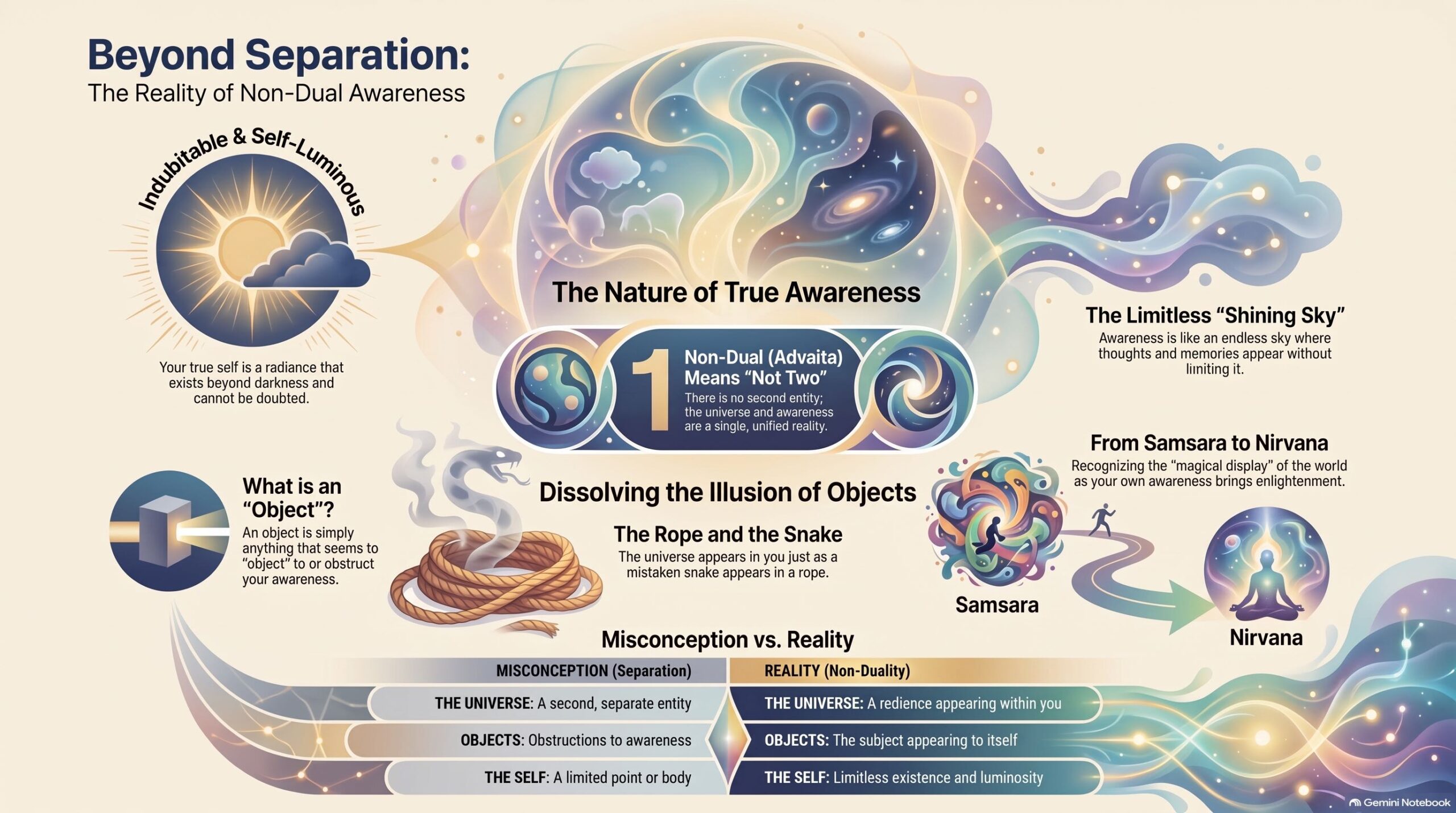
Swami Sarvapriyananda – indubitably
This One Mistake Keeping You Separate from Your True Self Swami Sarvapriyananda Lecture
-
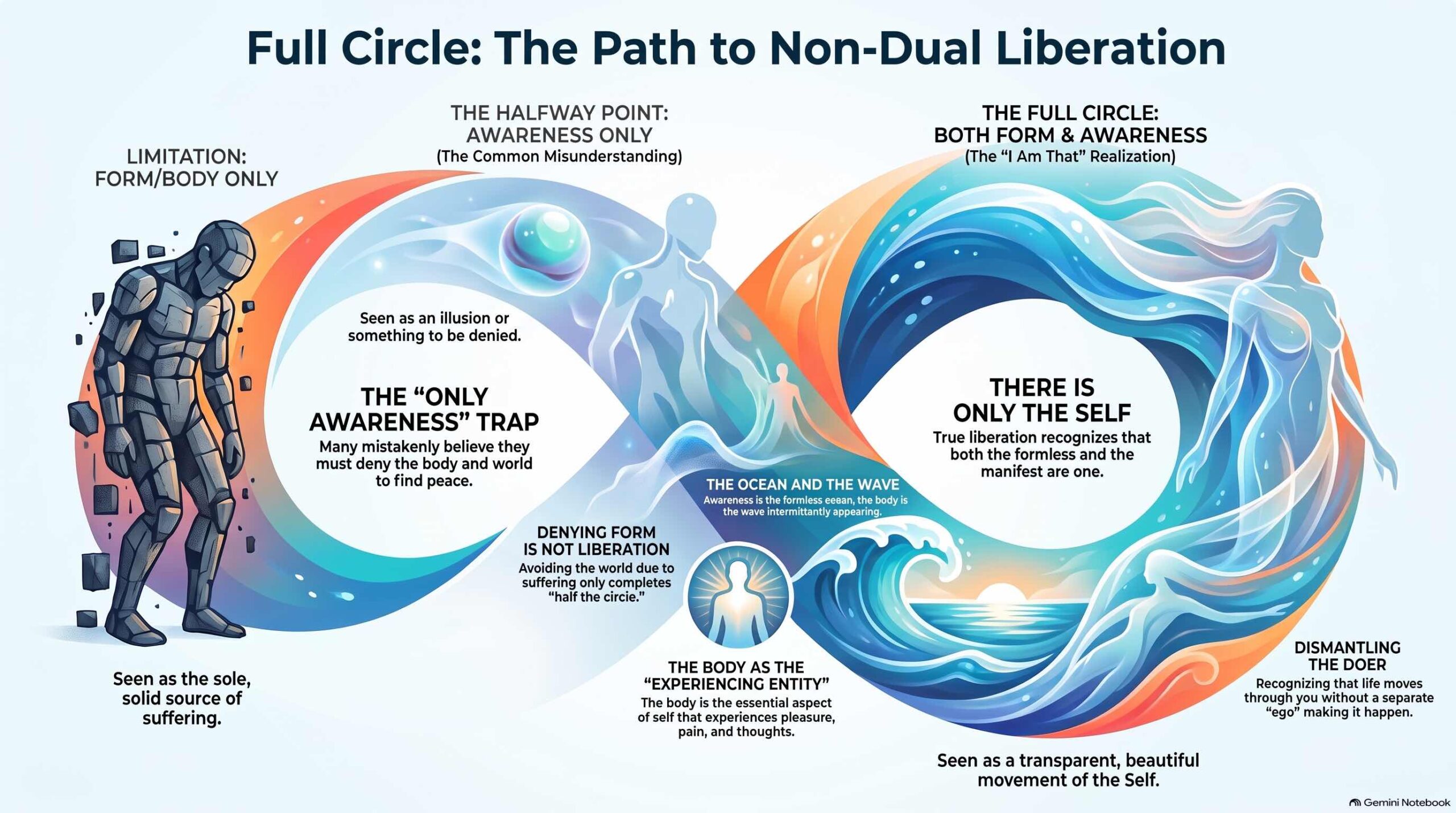
Sal 144: Full Circle
Corrects the common misunderstanding that pure teaching means denying the body or dismissing the world as mere illusion — “that’s halfway around the circle.” Argues the Self includes form as well: “I am also the body, also form. I’m all of it.”
-
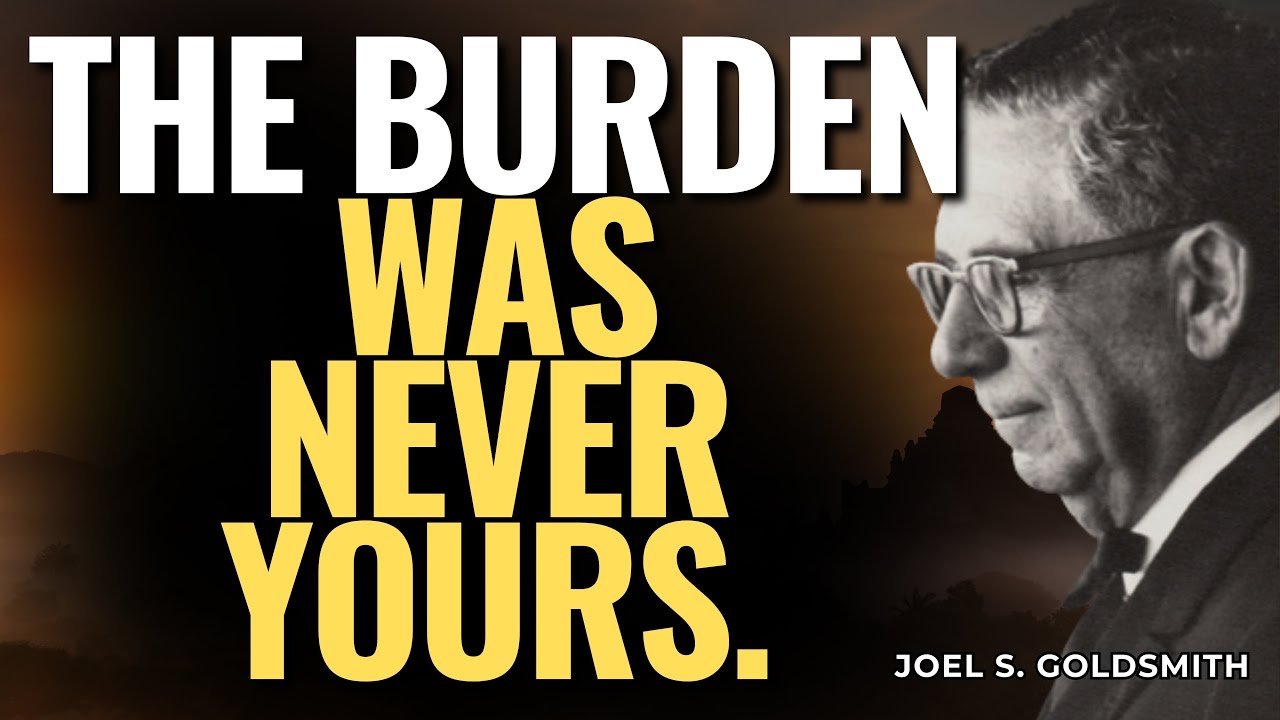
Seven days without personal identity
Ai generated, based on Joel S. Goldsmith’s Infinite Way teaching.
-
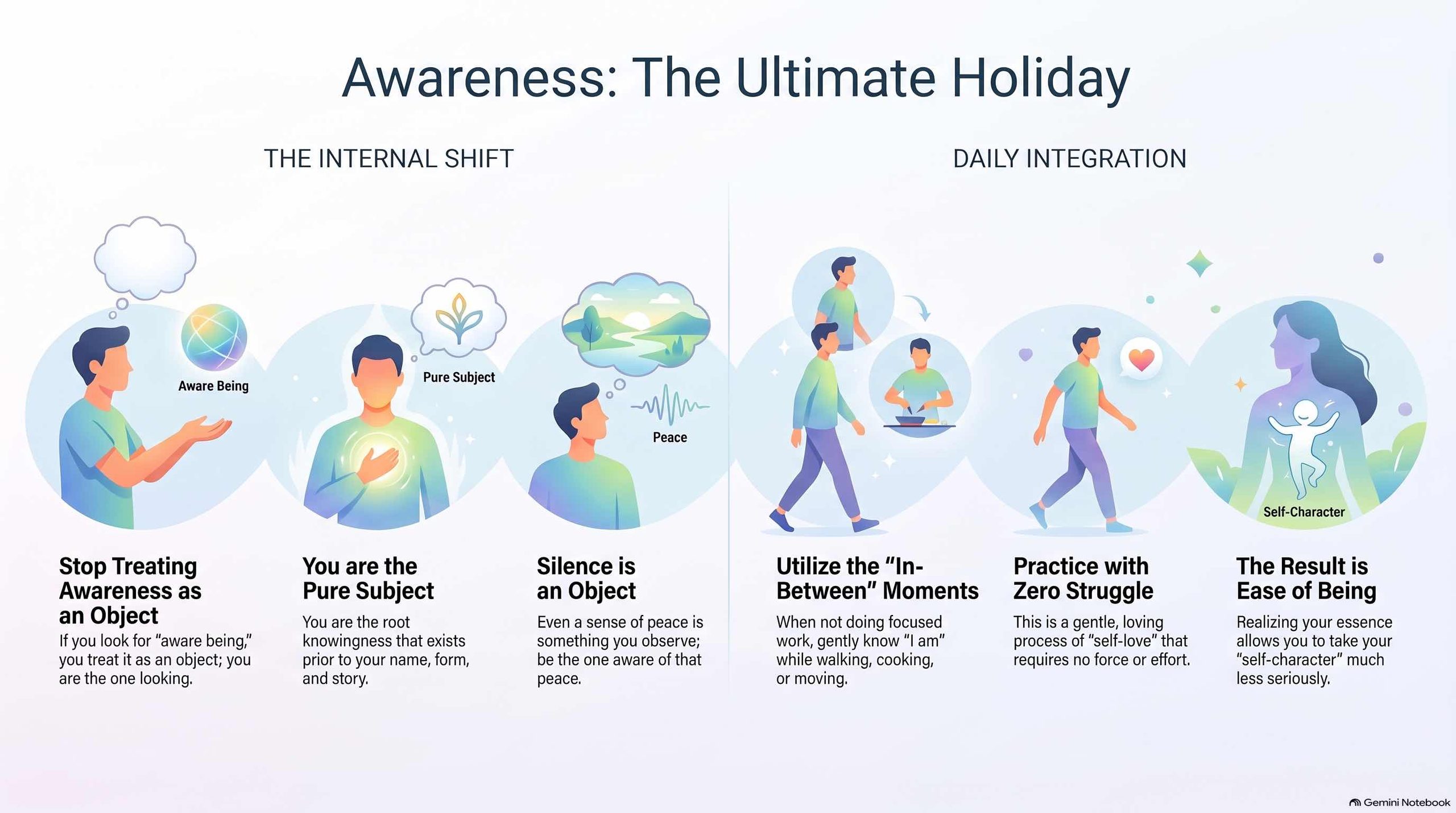
Sal 143: A Holiday is Not a Practice, It Is a Way of Being
Frames a holiday as being “aware being” itself, the pure subject knowing rather than an object to seek. Argues no dedicated practice is needed — just gentle, ongoing recognition of “I know myself” woven through the ordinary moments of the day.
-
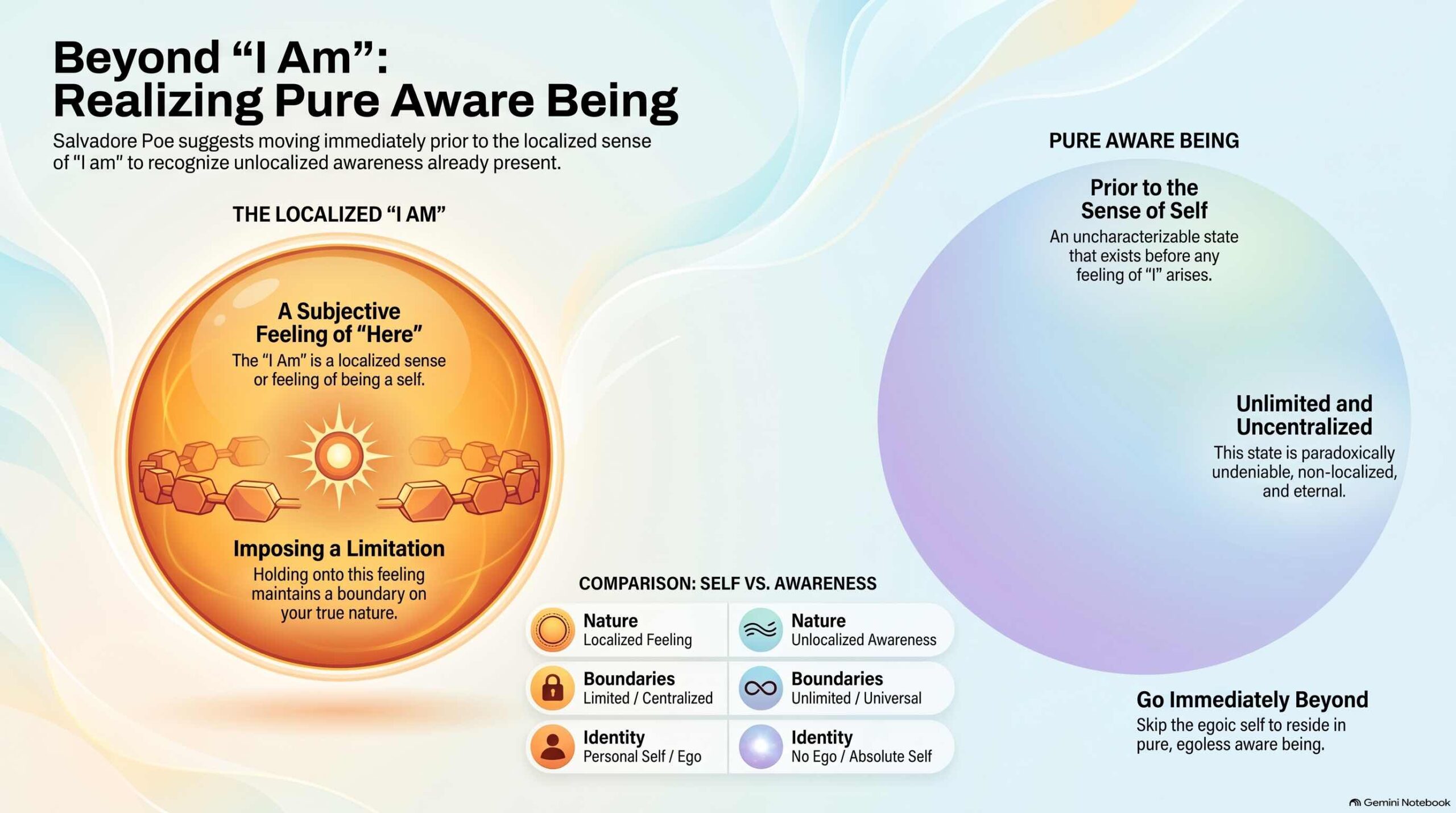
Sal 142: Prior to I Am
Points beyond the localized “I am” feeling that some teachings ask you to hold — to what’s already prior, an “uncharacterizable” yet undeniable pure aware being, unlimited and unlocalized, with no ego or personal self.
-
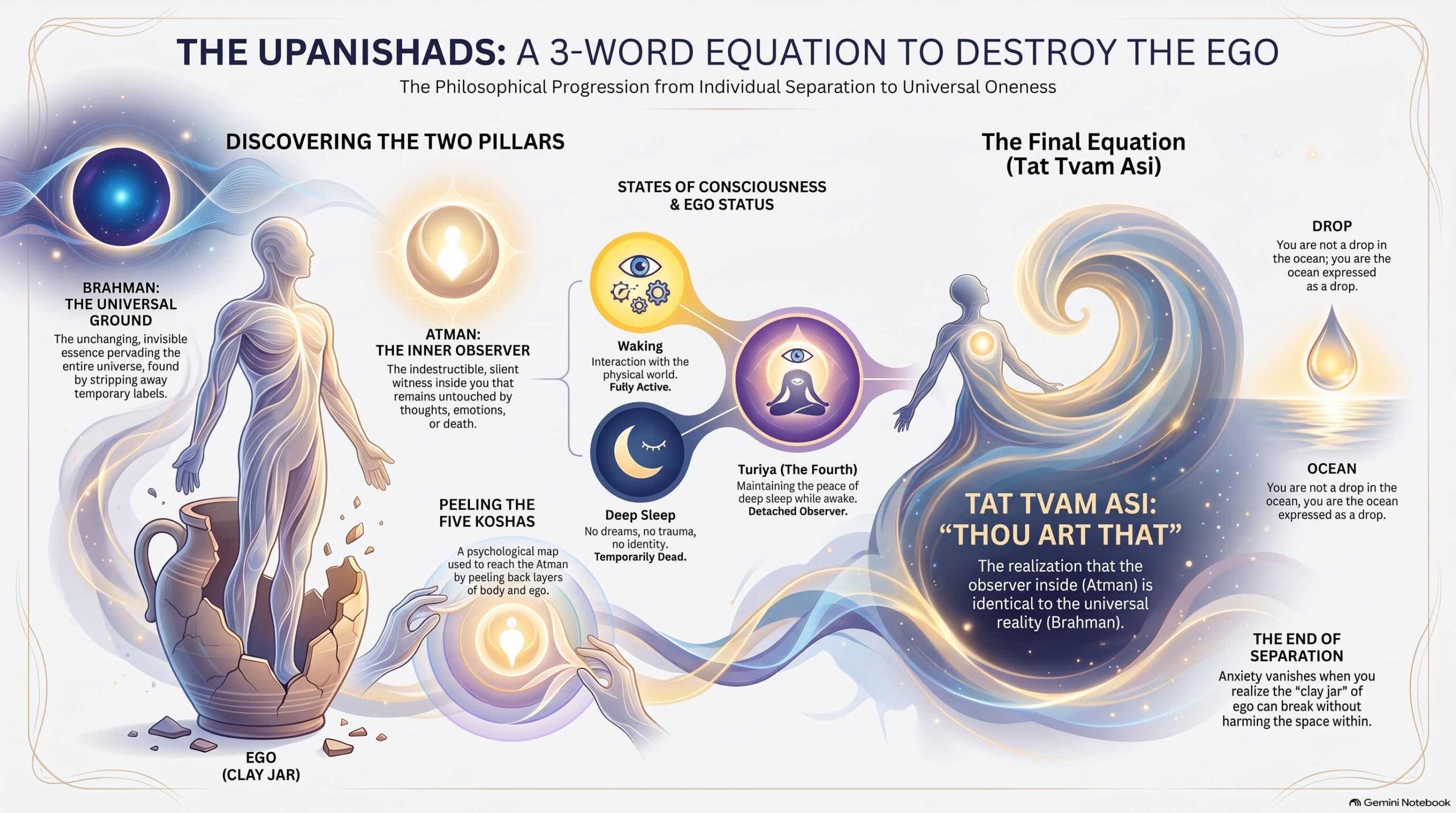
The Upanishads Explained
“The core realization of these thinkers was that the ultimate truth of the universe is located within the human mind rather than in a divine throne in the sky.”
-
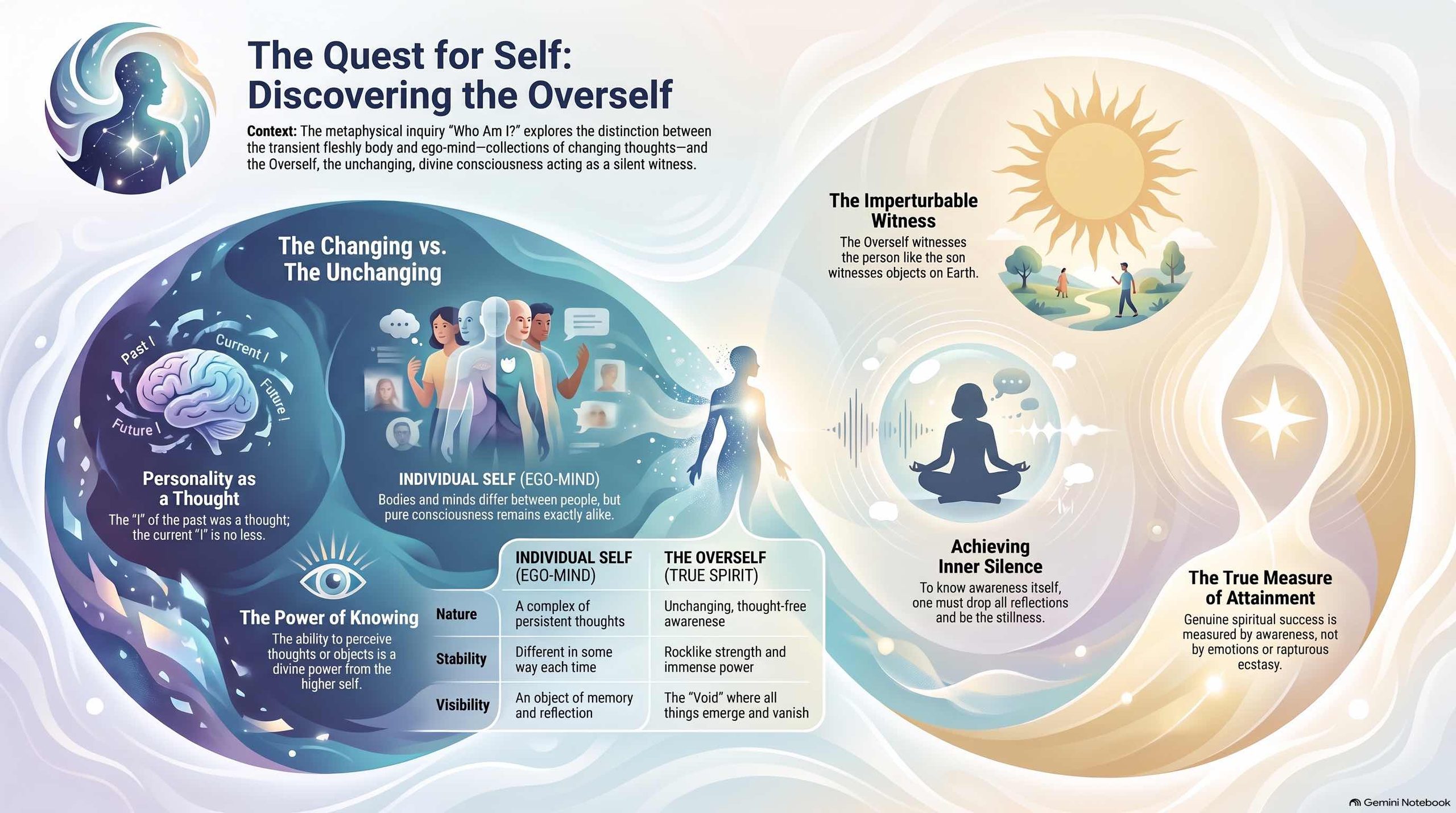
Paul Brunton: Who am I?
This is the source of the “I” feeling, and it is exactly alike in the experience of all other human beings. This is the part which never dies, “where God and man mingle”.
-
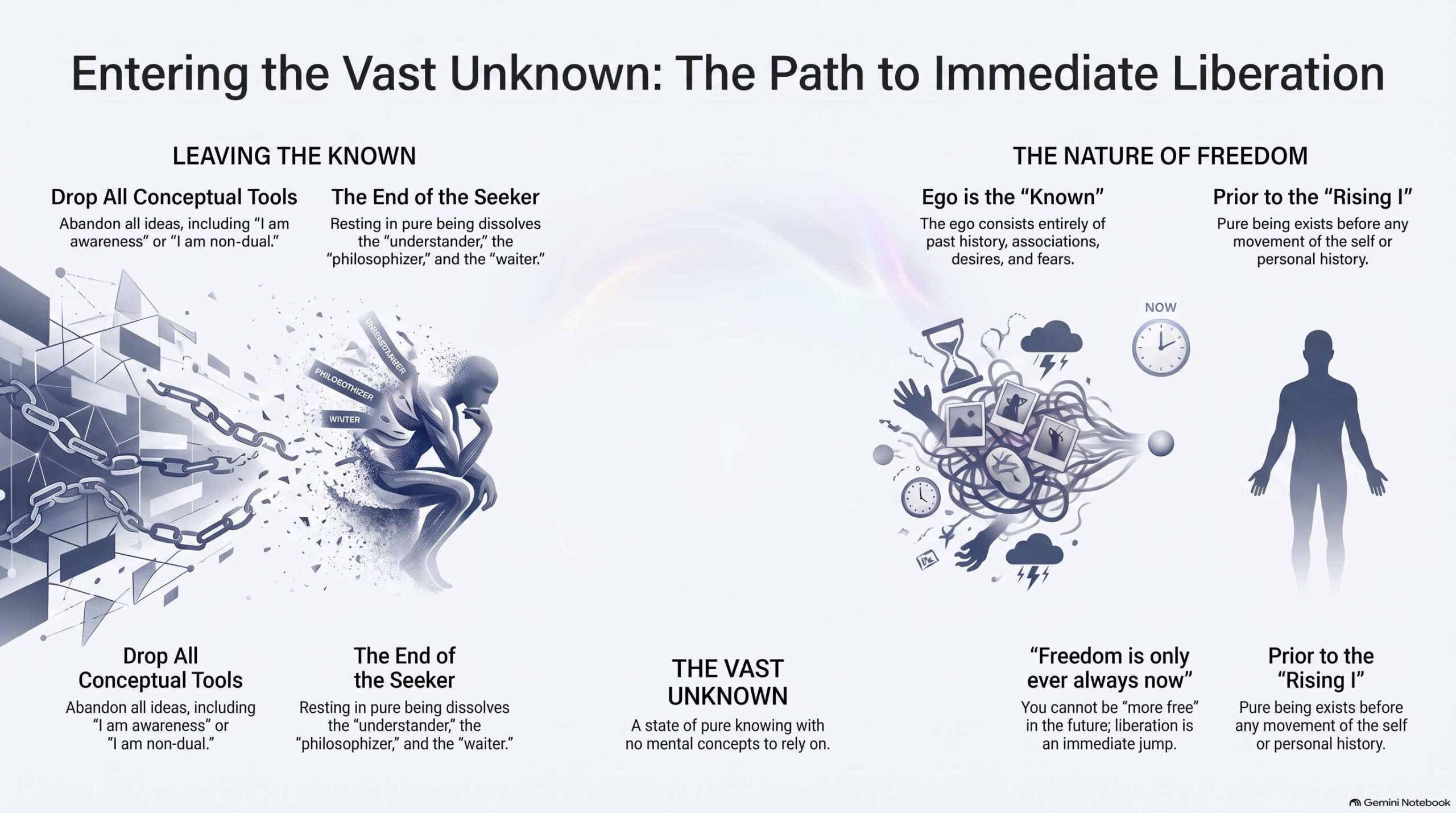
Sal 141: The Vast Unknown
Invites dropping every concept, even “I’m awareness” or “non-dual,” to land in the vast unknown — pure knowing prior to any words. Freedom is only ever now, since waiting for it to become permanent just resurrects the rising I.