RiverOfInternet.com

Home Page

(Draft, Playground)

About This

(Website)

Incubating:

#infographic (183) #nonduality (74) abiding (2) Absolute (1) Advaita Vedanta (1) ai – artificial intelligence (160) Anticipation (1) Attention (2) audacity of freedom (1) audio (2) Aware Being (5) Awareness (2) Being (3) Bible (2) Changeless I (2) Contentment (3) Curtain (2) Daily Life (1) dance (2) Deep Sleep (1) Destiny (1) Direct Knowing (2) Discernment (2) Division (1) Ease (1) Effortless Being (1) Ego (9) Eternal (2) external link (6) Fear (2) First Person (1) food (2) Form (1) Freedom (5) Full Circle (1) funny (1) God (4) health (3) Highest Teaching (2) Hindu (1) Holiday (79) human-habit (1) humor (1) I-Thought (2) I Am (4) identity (2) Inquiry (3) Joy (3) Karma (1) Locus of Being (1) Middleman (1) Mind (4) Morning (3) Mr-Jesus.com (10) music (4) namespace-Christian (3) Nature Walk (1) No Concepts (1) Non-Denial (1) Nothing Behind the Curtain (1) No Time (2) Peace (2) Phantom I (4) podcast (1) Prior to I Am (1) Productivity (1) Pure Aware Being (3) Pure Being (19) Pure Knowing (1) Pure Subject (4) Pure Subjective Consciousness (3) Quote (2) Resistance (3) Rising I (8) Science (2) Self (1) Self-Love (2) Separate I (1) Shiva and Shakti (1) Silence (5) sleep (1) Source (4) Stillness (4) Story of Self (1) Subject (1) substack (70) suffering (2) sweetness (1) Tao Te Ching (2) thinkyness.com (16) Unlocalized (1) Vast Unknown (1) ventriloquist (1) via Kat (2) via ralph (38) via Russ (2) video (25) Waking Up (2) What Am I (1) Zoom (7)

Tao Te Ching

Thank you Ralph for sharing
“Tao Te Ching – Lao Tzu – A Comparative Study“
for inspiring this post!

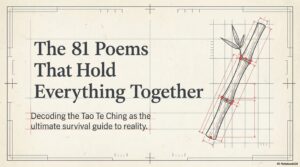
The Tao Te Ching Explained: The 81 Poems That Hold Everything Together

The following notebookLM ai content has been created based on these sources:

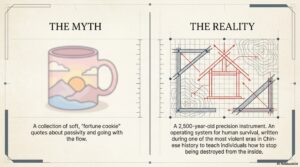
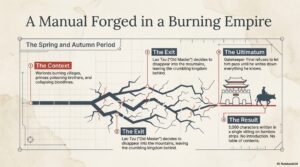
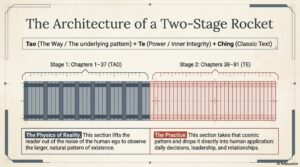
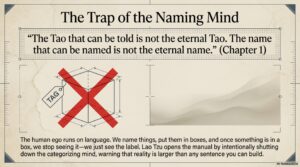
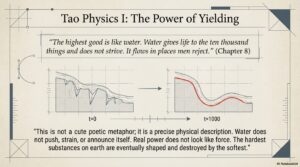
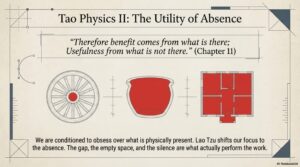
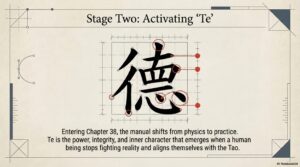
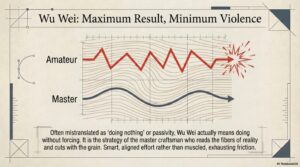
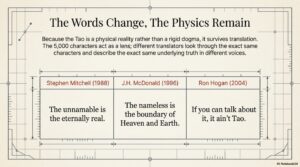
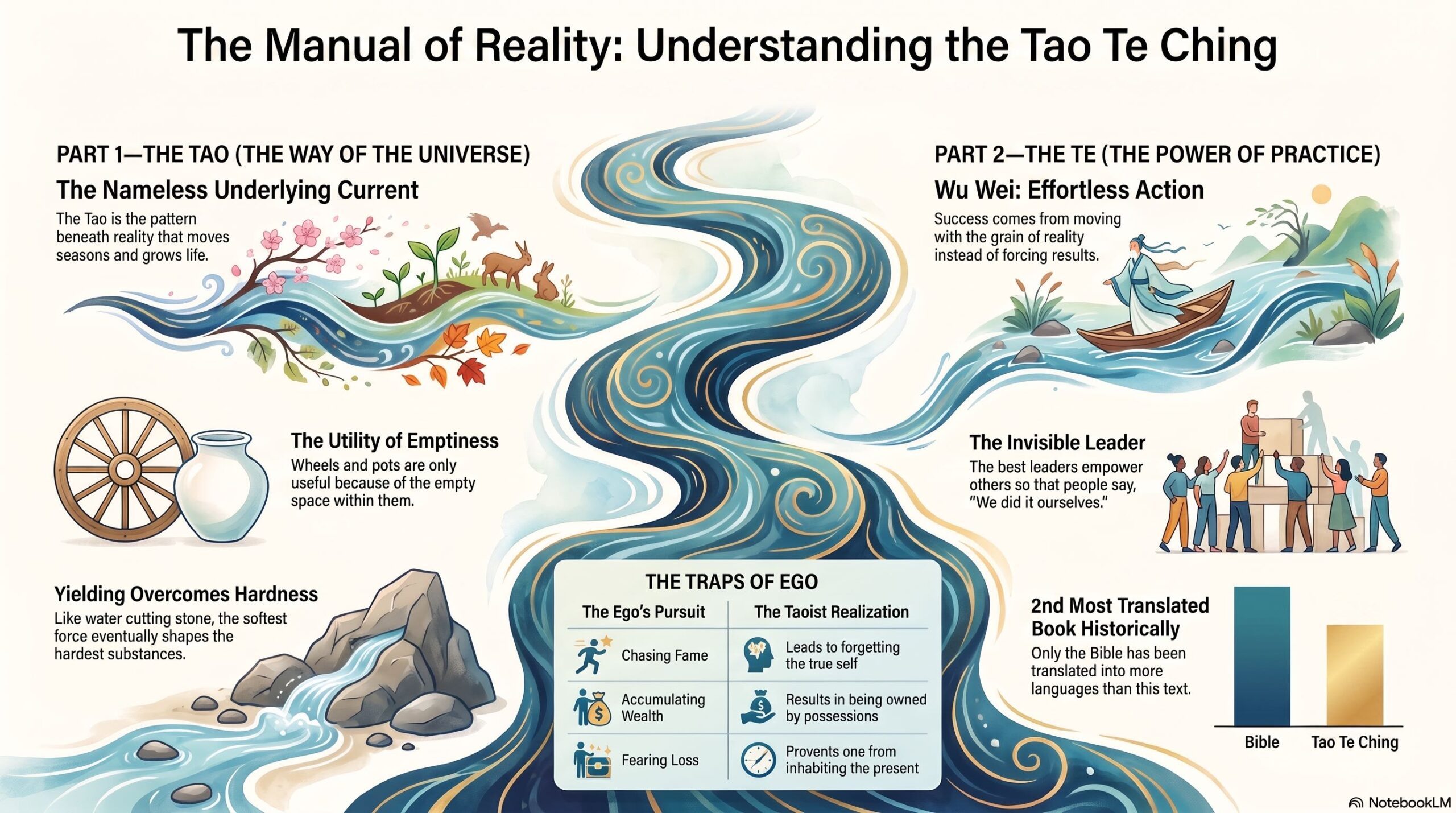
“… the Tao Te Ching, an ancient Chinese text traditionally attributed to the philosopher Lao Tzu. This “manual of reality” consists of 81 poems composed as a survival guide during an era of extreme violence and societal collapse. The writings are divided into two sections: the first explains the Tao, or the natural flow of the universe, while the second focuses on Te, the practice of personal integrity and aligned action. Central to this philosophy is the concept of wu wei, which advocates for achieving results through natural alignment rather than forced effort. By using metaphors like flowing water and the utility of emptiness, the text offers a timeless operating system for navigating life with grace. Modern digital tools also support this study by allowing readers to compare multiple translations of these complex, often paradoxical verses.”
Mind-Stuff

Tao Te Ching

“… an ancient Chinese text traditionally attributed to the philosopher Lao Tzu. This ‘manual of reality’ consists of 81 poems composed as a survival guide during an era of extreme violence and societal collapse.”

Comments

One response to “Tao Te Ching”

Leave a Reply