Sedona, Letting Go, Identity and Presence
GardenOfFriends.com, October 21, 2026,
(Part 1: 62:21 · Part 2: 65:16)
Merged from two Memo AI summaries; the Zoom connection dropped around 07:59 and recording restarted as a new session. Speaker letters were assigned separately in each part and may not refer to the same people.
Key Points
- Pain can accompany liberation
- Identity resists inner release
- Peace underlies emotion
- Narrative sustains suffering
- Roles shift across relationships
- Presence stays unchanged
- Projection shapes perception
- Love replaces self-image
Overview
| Topic | Detail |
|---|---|
| Pain | Can be liberating process |
| Identity | Body-mind attachment resists release |
| Sedona method | Welcome feelings, then release |
| Emotional core | Peace under every emotion |
| Second arrow | Reaction adds suffering |
| Narrative | Creates trance and prolongs pain |
| Nonduality | I am beyond identity |
| Secondary gain | Stories can offer social power |
| Roles | Identity shifts by relationship |
| Presence | Underlying awareness stays unchanged |
| Projection | Perception reflects learned self-images |
| Suffering | Identity can move into service |
| NDEs | Ego isolation yields to love |
| Dark night | Self-image dissolves painfully |
| Amends | Mainly supports self-forgiveness |
| Dancing | Self-consciousness blocks body freedom |
This discussion explored suffering, identity, emotional release, and a practical method for resting in presence instead of reinforcing personal narrative, then moved into presence, projection, forgiveness, trust, and everyday ways these teachings show up in relationships and ordinary life.
Part 1 — Sedona and letting go
06:57 · 62:21
Pain
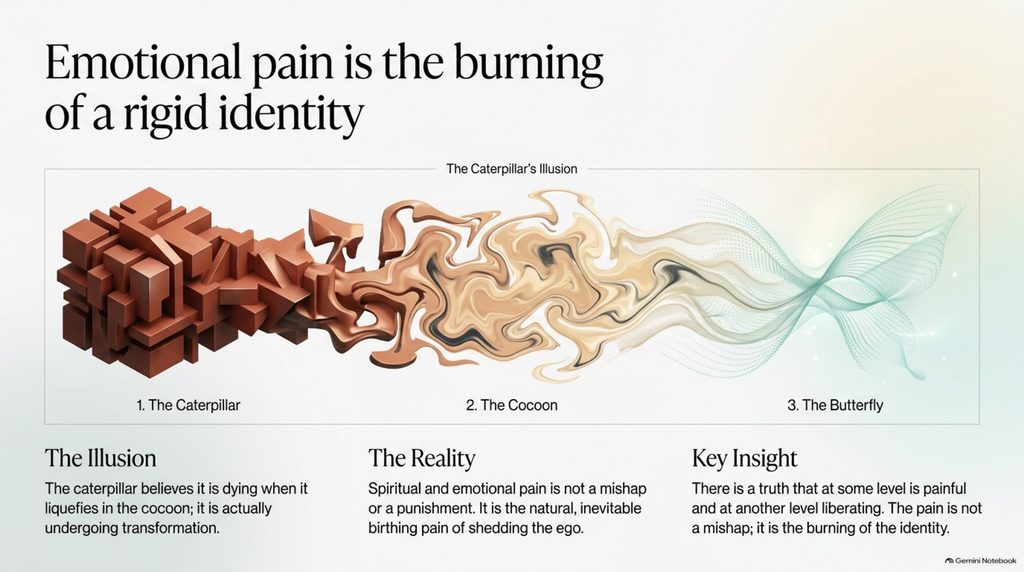
Pain can belong to awakening rather than signal that something has gone wrong. The thread here ties discomfort to a shift out of identification.
- Birth pain can feel painful and liberating at once.
- Pain linked to identity as a body-mind can come from the sense of dying as that identity.
- The caterpillar-to-butterfly image points to dissolution before a different form appears.
- Shedding skin points to the same process.
This pain is part of the process rather than a threat or punishment. The liberation and the burning of identity can be the same movement.
Pain can be part of the process, and liberation can be inside it.
Identity
The discussion turns from pain itself to what resists it. The main obstacle is trying to manage or protect the self-image.
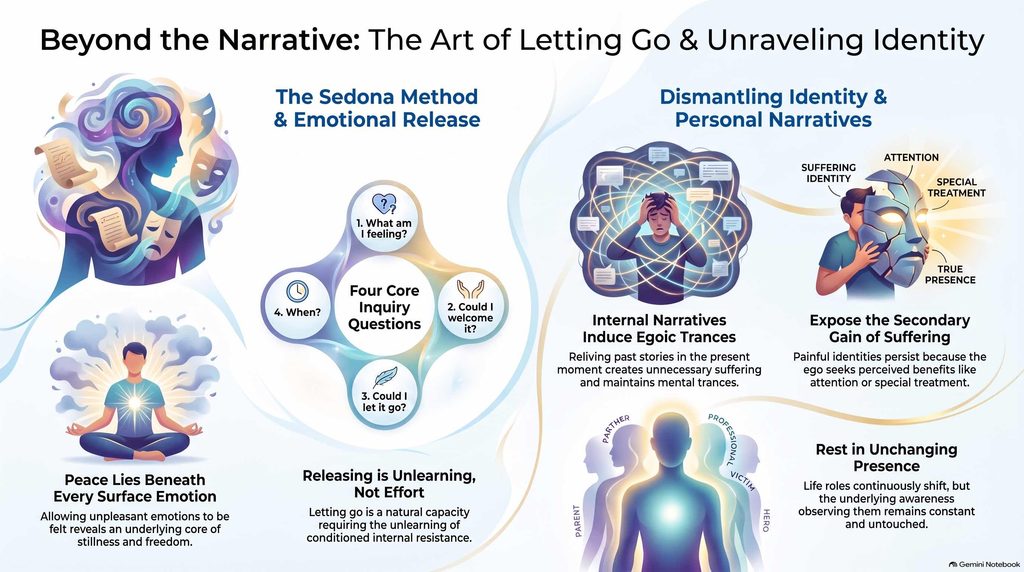
Key obstacle: Holding expectations about how ego must disappear creates more interference.
- Nothing needs to be forced; the process works on its own.
- The most practical move is to get out of the way.
- Turning the process into another thought or belief recreates obstruction.
Remembering helps, but it differs from direct being. Mental remembering still uses mind, while being is resting in presence.
Practice
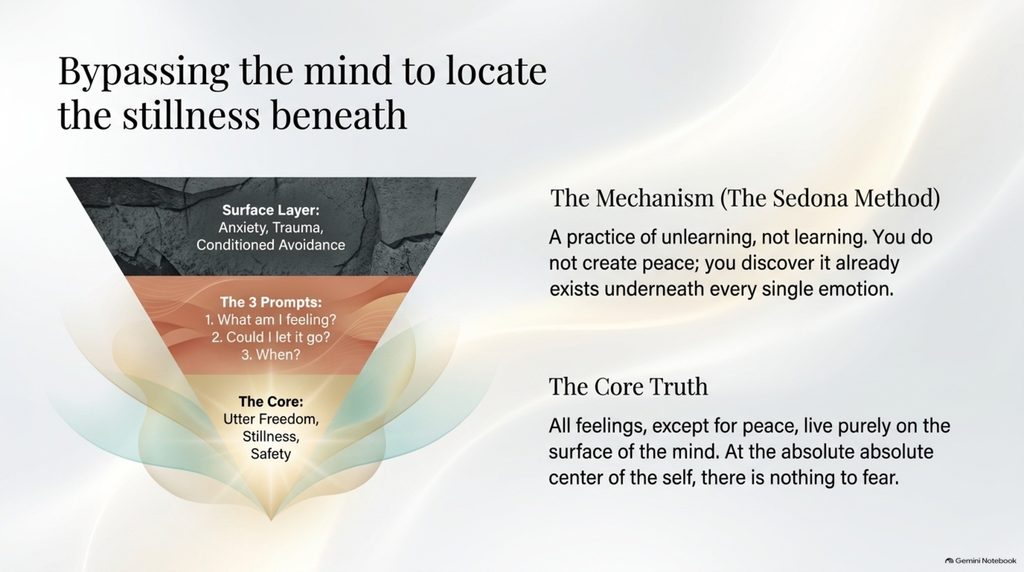
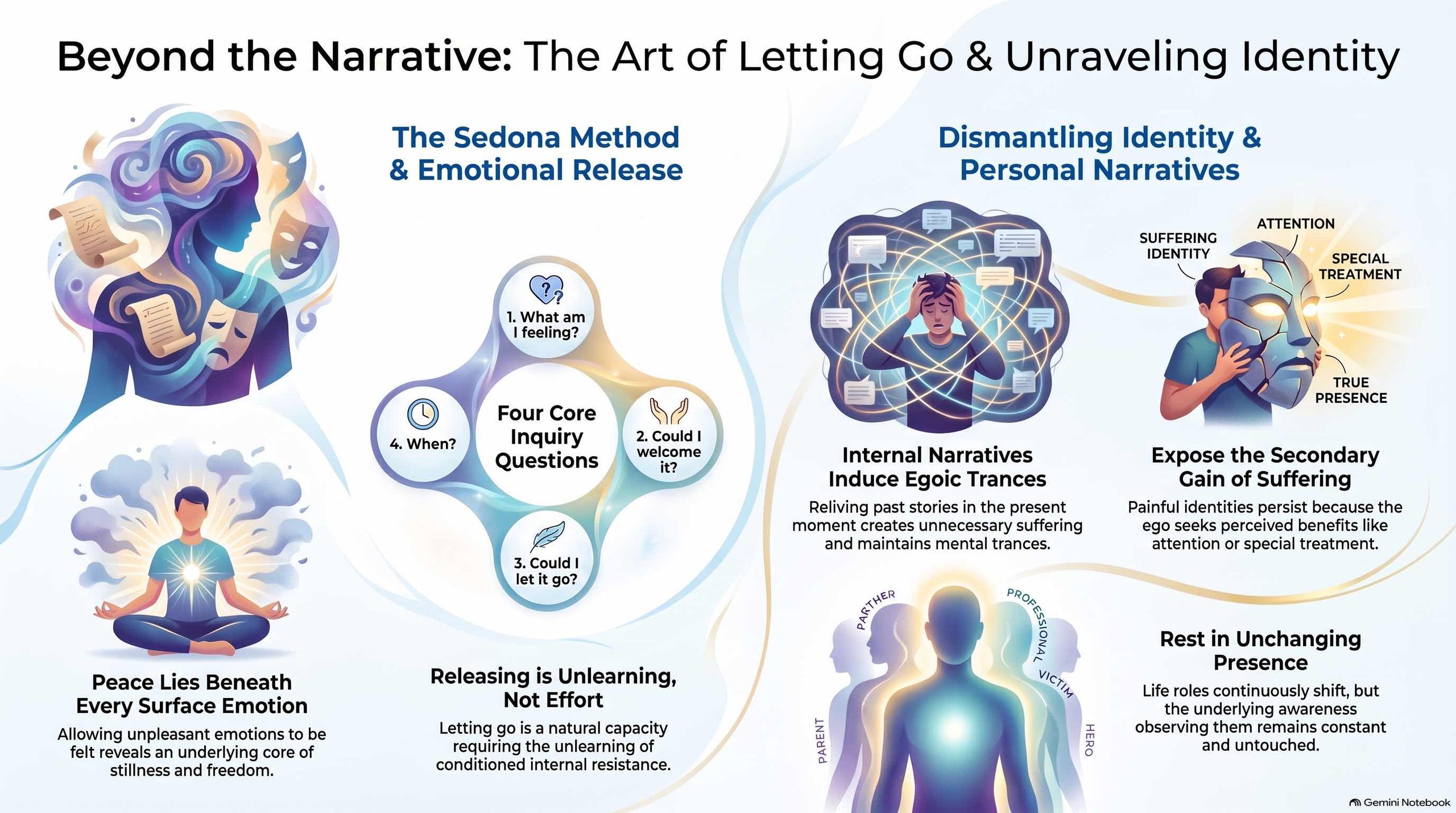
A practical approach comes through the Sedona method and related inquiry. The emphasis stays on directly allowing feelings instead of avoiding them.
| Sedona method | Allow and release feelings |
|---|---|
| Surface feelings | Not the deepest layer |
| Core | Peace and stillness |
| Narrative | Reinforces trance |
- Start with the present feeling and allow it.
- Ask whether the feeling can be welcomed.
- Ask whether it can be let go.
- If resistance appears, ask whether it would be let go, and then ask when.
The method is presented as practical and widely usable, not limited to spiritual seekers. Its promise is that what looks frightening at the surface opens into stillness, peace, safety, and freedom.
Reaction
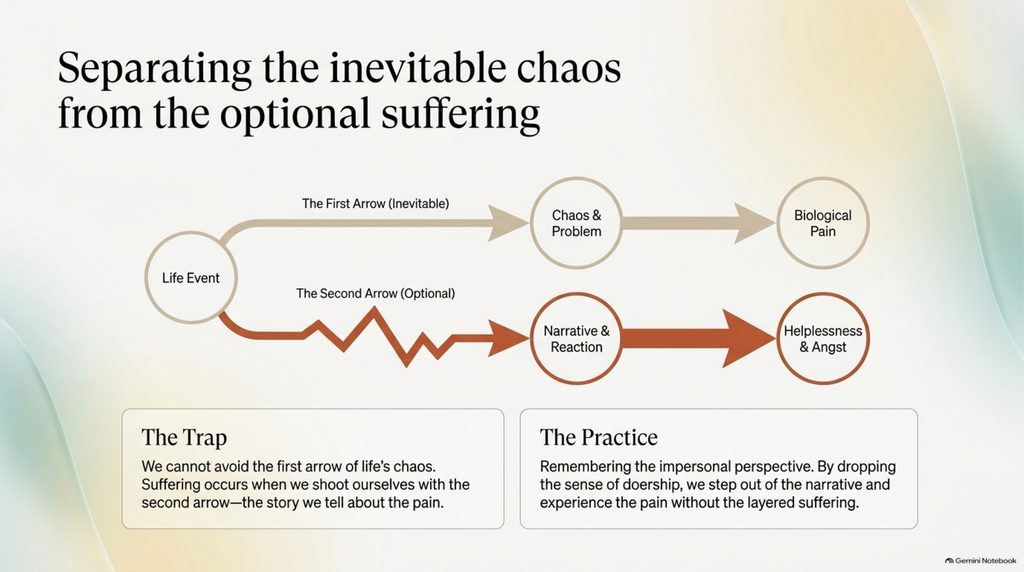
The distinction between pain and reaction sharpens the conversation. Action still happens, but the inner place it comes from matters.
- The first arrow is unavoidable pain.
- The second arrow is the mental reaction that intensifies suffering.
- Connecting consciously to inner stillness changes the feel of the experience even when circumstances stay chaotic.
This shift does not guarantee safety from chaos. It changes the sense of ownership, because the experience stops feeling personal in the same way.
Narrative
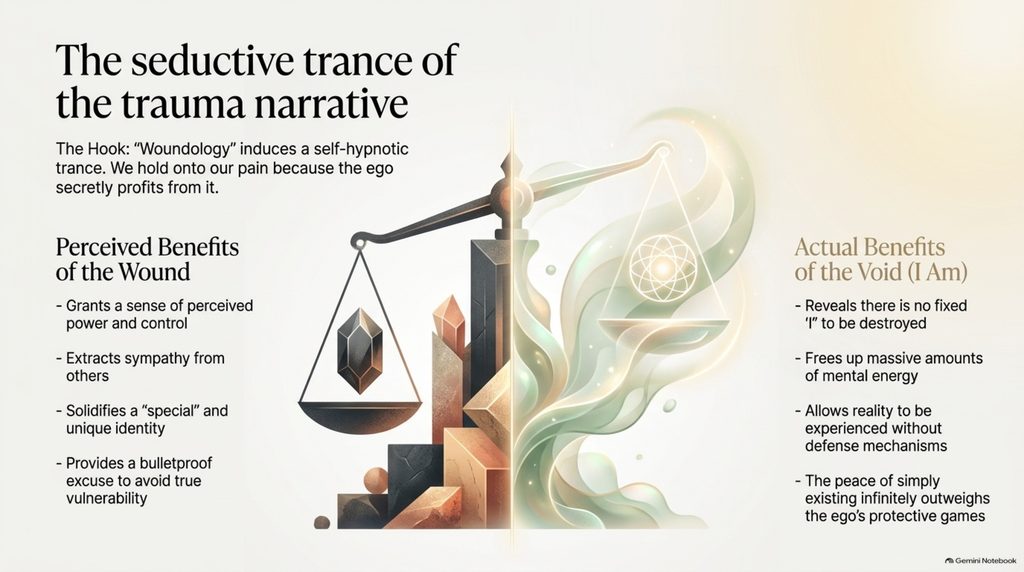
Much of suffering is sustained by the story wrapped around experience. The narrative can hypnotize attention and keep old identity patterns active.
- Trauma can replay as a present thought rather than a current event.
- Following the inner story induces a trance.
- The story often looks meaningful even when the feeling is only arising to release itself.
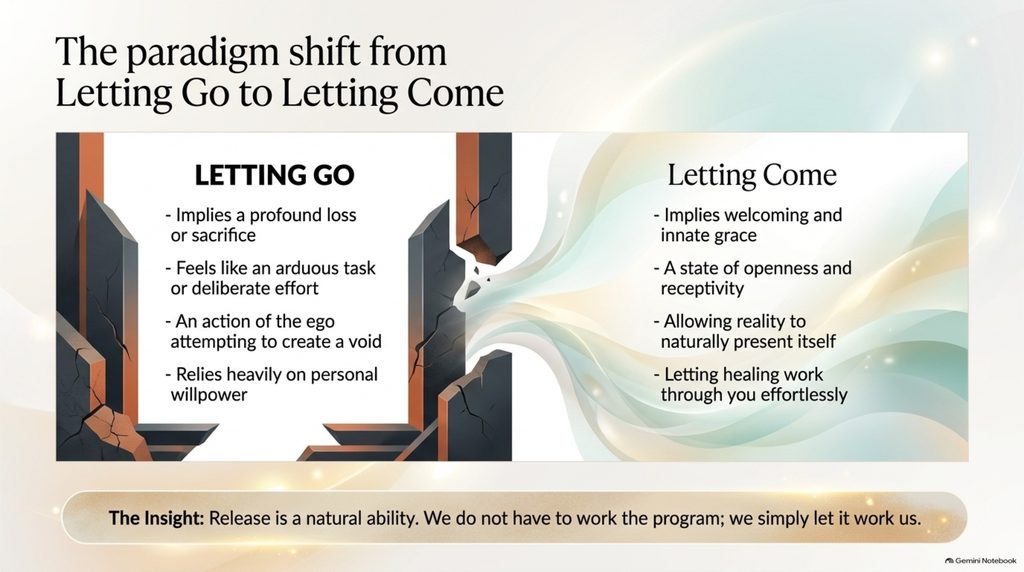
Letting go can be reframed more openly as letting come or welcoming. That language softens the sense of losing something and supports direct allowing.
Self
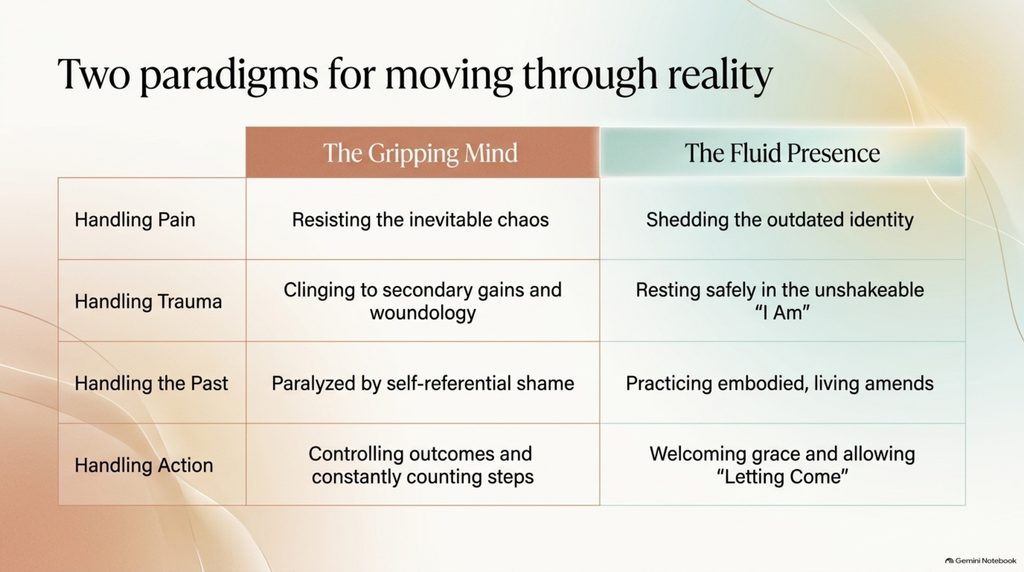
The group links healing work with nonduality. Identity built from history, trauma, illness, or recovery can still become another self-position.
- A healing identity can replace an older painful identity.
- Nonduality cuts through identity claims with simple I am.
- There is no separate self at the center to defend.
Intellectual understanding still helps. It begins a paradigm shift, gently loosens prior assumptions, and can later deepen into lived knowing.
Gain
The conversation gets concrete about why painful identities persist. A story can offer hidden advantages even when it also hurts.
- A victim or survivor story can bring attention, special handling, or social power.
- Seeing the benefit behind the pattern exposes its structure.
- Asking what benefit is being gained can feel more practical than asking who benefits.
Admitting the secondary gain is painful but clarifying. Seeing the pattern more honestly weakens its hold, because the identity starts to appear constructed rather than essential.
Part 2 — Identity and Presence
07:59 · 65:16
Roles
Different relationships bring out different roles, yet one underlying presence stays the same.
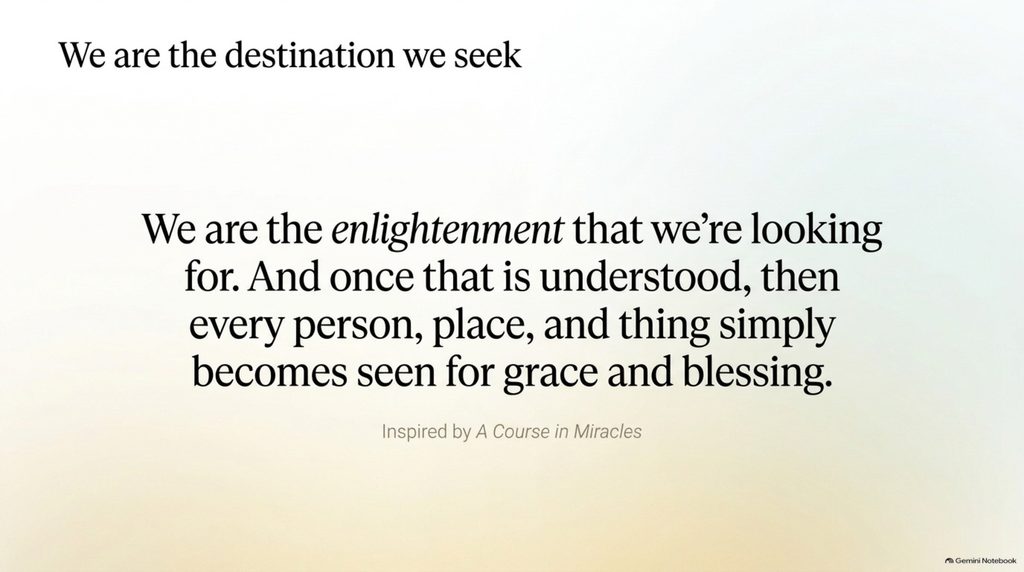
The one common denominator is this presence.
A person can show up differently as a brother, husband, uncle, or with a grandparent. The mind then talks to itself as if these roles were separate people, creating competing inner voices.
- Identities form around labels and learned images
- The sense of a separate me comes from conditioning
- What is aware has never altered
Disidentification brought a felt sense of openness in one example. Another example used acting: if someone can become another character for 3 months, the fixed self becomes hard to locate.
Suffering
Suffering was framed less as proof of a damaged self and more as a place where identity can shift.
| Loss | Can open service |
|---|---|
| Victim identity | Can be replaced |
| Veterans | Same injury, different identity |
| Disability | Seen as burden or inconvenience |
People who go through loss, diagnosis, or devastation sometimes move from victimhood into service for others with the same pain. Two people can face the same tragedy and respond very differently, which raises the question of what allows one person to feel empowered while another becomes enslaved by the story.
A practical answer centered on nonresistance.
- Nonresistance matches true nature
- It is not something to manufacture
- Methods can help stop overlooking it
- A wise response can arise from that place
- It may be action, non-action, or not knowing yet
- Self-honesty supports sincere love
Peace:
Peace is already in the background;
the shift is bringing it to the foreground.
Projection
Projection shaped the discussion of family, religion, and emotional struggle.
When trying to change another person, the struggle often reflects identification with that person’s struggle. The suggested move was to let that melt and simply love them, like loving a child.
- Wanting someone else to change mirrors the same control being criticized
- Projection shapes ideas about other people and about God
- Presence, compassion, and love matter more than the story
This was grounded in personal family examples, including siblings with alcoholism, rigid religion, and difficult dynamics. Love remained possible even where closeness did not.
Death and ego
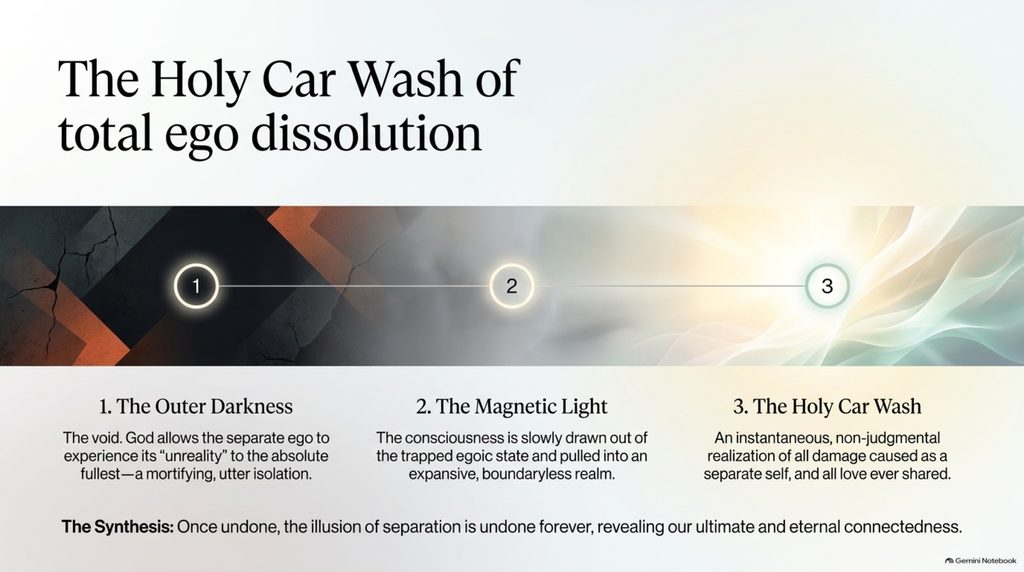
Near-death experiences and the dark night of the soul were used as parallel descriptions of ego dissolution.
Some near-death accounts move through utter aloneness, then light, then connectedness, then a life review of harm and love without judgment. The shift goes from separate self to love and safety.
- Darkness was described as full egoic isolation
- Light was described as connectedness and love
- Life review was described as immediate knowing, not punishment
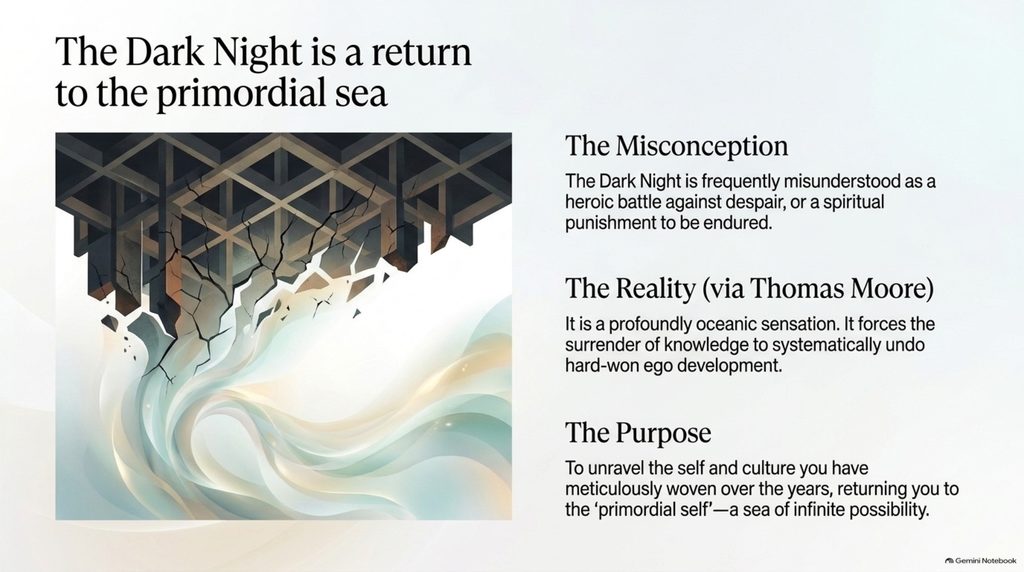
The dark night was described as letting go of self-image. Consternation comes from losing what was never real, including the spiritual ego that still wants to get something.
A reading from Thomas Moore described the dark night as an oceanic return that unravels the constructed self and opens deeper possibility.
Amends
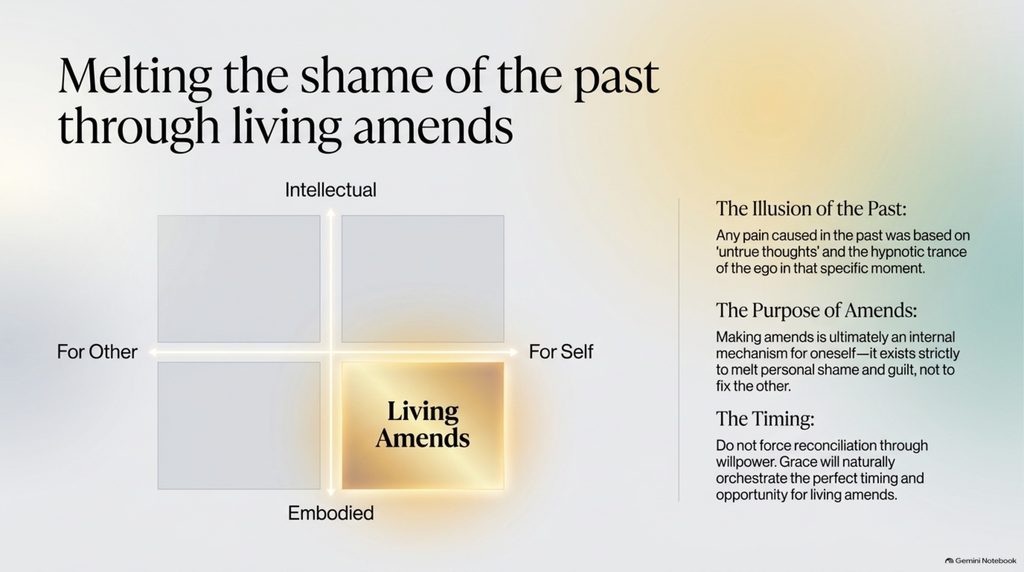
Amends were explored as forgiveness, honesty, and changed living rather than forced repair.
One participant had reached out to someone after many years and received a kind response. The exchange felt meaningful, while the larger question remained how to honor the impulse to make amends without turning it into strain.
- Amends primarily serve inner forgiveness
- Shame and guilt can soften instead of harden
- A living amends means behaving differently now
Some harms were described as actions taken while believing painful thoughts. The aim was not self-condemnation but melting guilt and meeting the past from love if contact ever happens again.
Trust
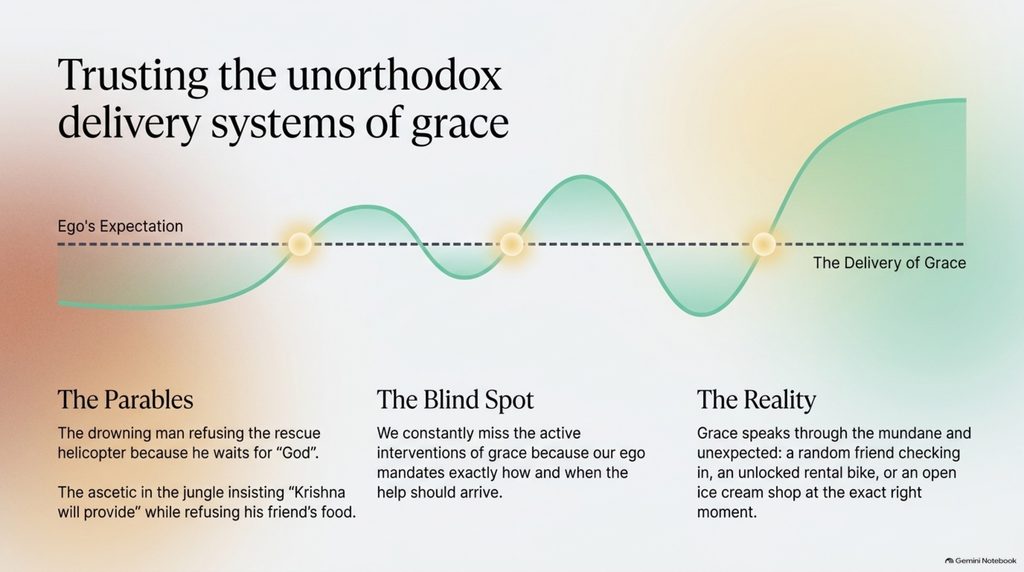
Trust was described as listening beyond inner chatter and allowing guidance to arrive in many forms.
- Notice inner chatter
- Listen for love
- Trust what arrives
- Respond without forcing
Guidance may come through friends, situations, ordinary events, or what feels like alignment. This was linked to spiritual practice, the Course, 12-step language, and the idea that one does not have to force the process because it can work on the person.
Small stories illustrated the same theme: finding an unexpected ice cream shop, getting an unlocked rental bike, and seeing how gratitude grows when things seem to line up.
Body and dancing
The conversation shifted into dancing, self-consciousness, and comfort in the body.
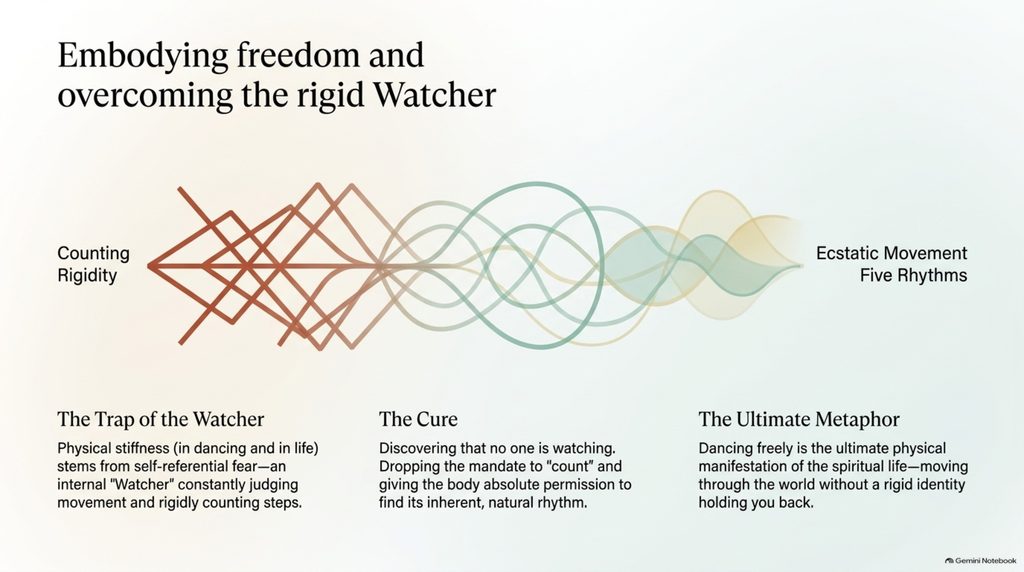
Dance became an example of how identity and shame get reinforced. The issue was not only skill but the belief that everyone is watching, judging, or that awkwardness says something important about the self.
- Private lessons were suggested if affordable
- Learn comfort with the body first
- Do not use a spouse as the teacher
- Free-form dance was suggested as another route
- No rules means less self-judgment
- Seeing others move freely can reduce fear
- The aim can differ
- Learn technique
- Or feel more at home in the body
Past experiences already showed moments of freedom in dancing, which challenged the identity of being permanently stiff. Group forms like line dancing also appealed because they allow individual movement inside a shared structure.
The broader point was that awkwardness can be part of the opening rather than evidence of failure.
Everyday signs
Ordinary life was treated as a field where the same patterns keep showing up.
People can spiral after a bad event by reacting in ways that generate more trouble. The reverse also happens: once someone gets out of the way, small helpful coincidences seem to appear more often.
Age and time were also linked to softer perception. The same teaching or text can read very differently years later because the reader has changed.
Confidence in relationships was discussed in practical terms as well. Attraction was framed less around looks alone and more around confidence, humor, fitness, and genuine listening.
Leave a Reply