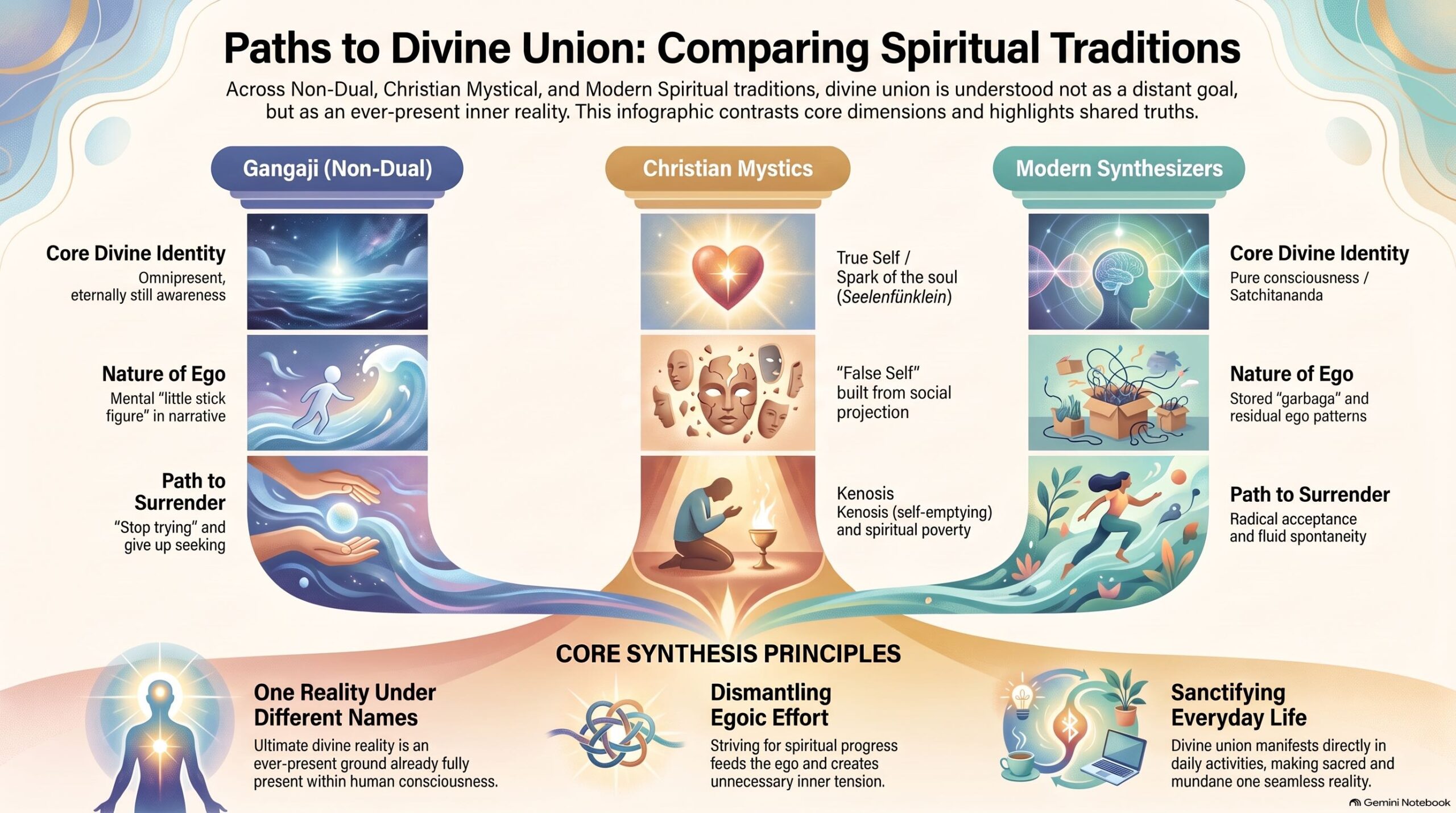
Here is a structured comparison table contrasting Gangaji’s non-dual pointers with the Christian mystical tradition (Meister Eckhart, Thomas Merton, Richard Rohr, Saint Francis) as well as the modern spiritual insights of Michael Singer and Russ Konieczny found across your sources.
Comparative Framework of Divine Union and Everyday Life
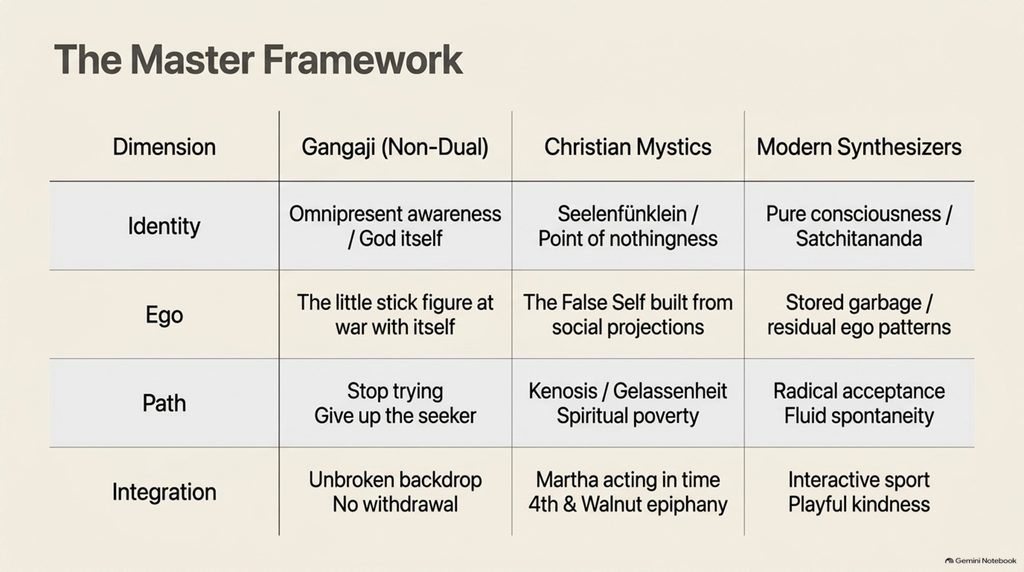
| Dimension | Gangaji (Non-Dual Pointers) | Christian Mystics (Eckhart, Merton, Rohr, Francis) | Michael Singer & Russ Konieczny (Modern Synthesizers) |
|---|---|---|---|
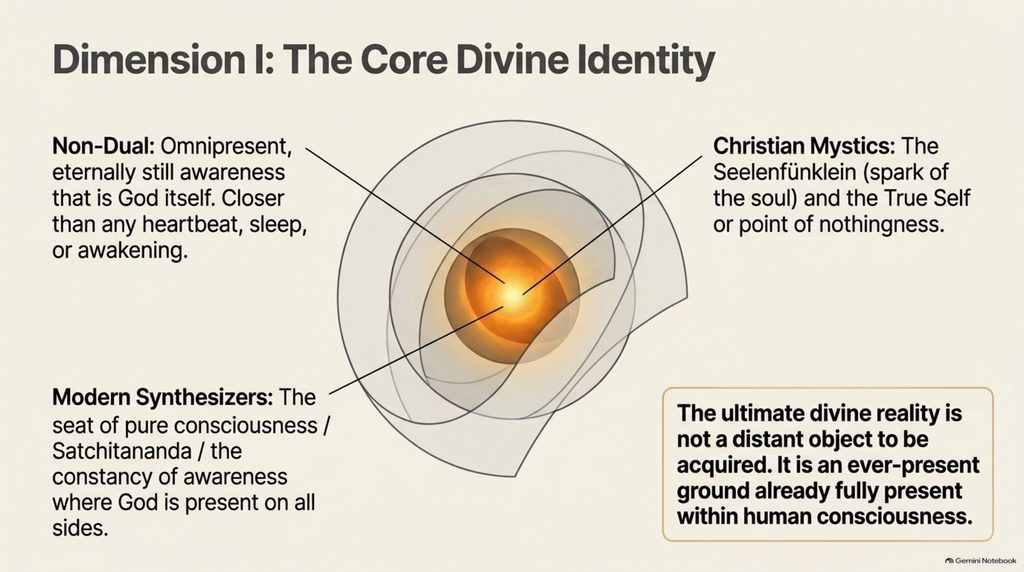
| The Core Divine Identity | Omnipresent, eternally still awareness that is “God itself” and has never left the soul. It is closer than any heartbeat, sleep, or awakening. | The uncreated Seelenfünklein (spark of the soul) in Eckhart, the “True Self” / “point of nothingness” in Merton, and the primal “I” in Rohr. | The seat of pure consciousness / Satchitananda in Singer; the “constancy of awareness” where God is present on all sides in Russ. |
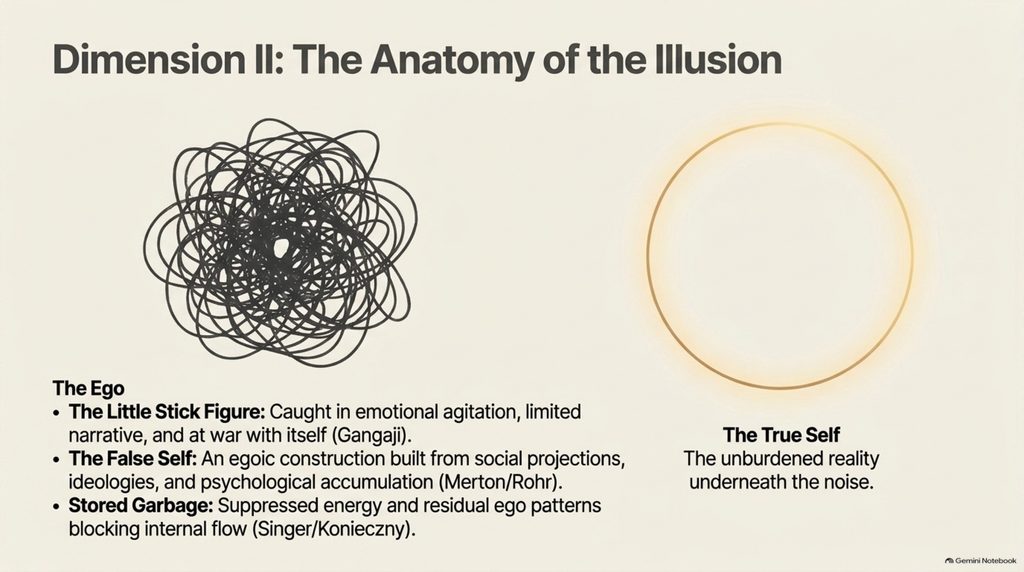
| The Nature of Ego & Illusion | The mental “little stick figure” caught in emotional agitation, war with itself, and limited narrative. | The “False Self”—an egoic construction built from social projections, ideologies, and psychological accumulation. | Stored “garbage” and suppressed energy blocking internal flow in Singer; residual ego patterns that cause a “spiritual hernia” when over-identified with in Russ. |
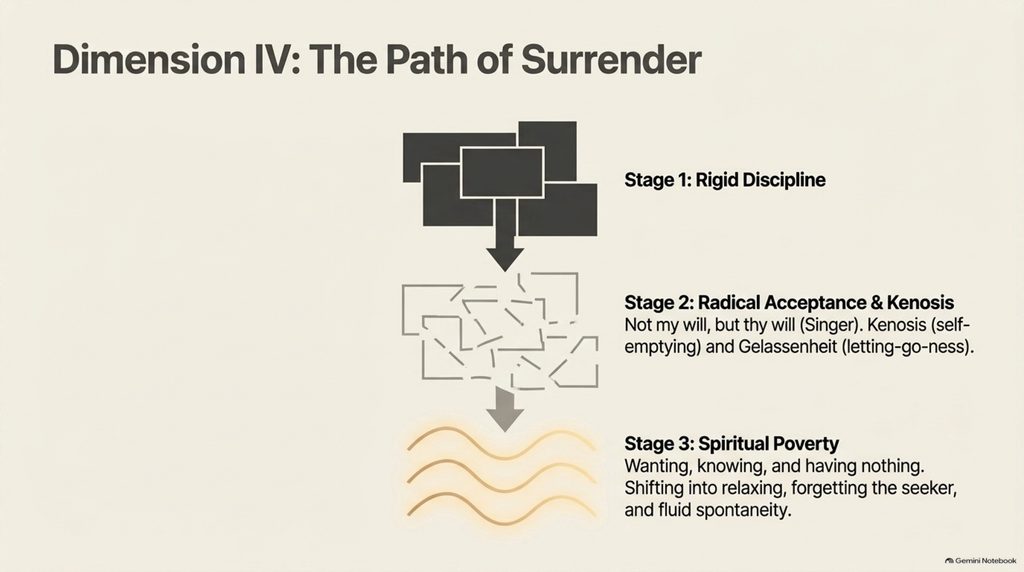
| Path of Realization & Surrender | “Stop trying” and give up the seeker; recognize that who you truly are is already stopped and at peace. | Kenosis (self-emptying), Gelassenheit (letting-go-ness), and spiritual poverty—wanting, knowing, and having nothing. | Radical acceptance and surrender (“not my will, but thy will”) in Singer; shifting from rigid discipline to relaxing, forgetting, and fluid spontaneity in Russ. |
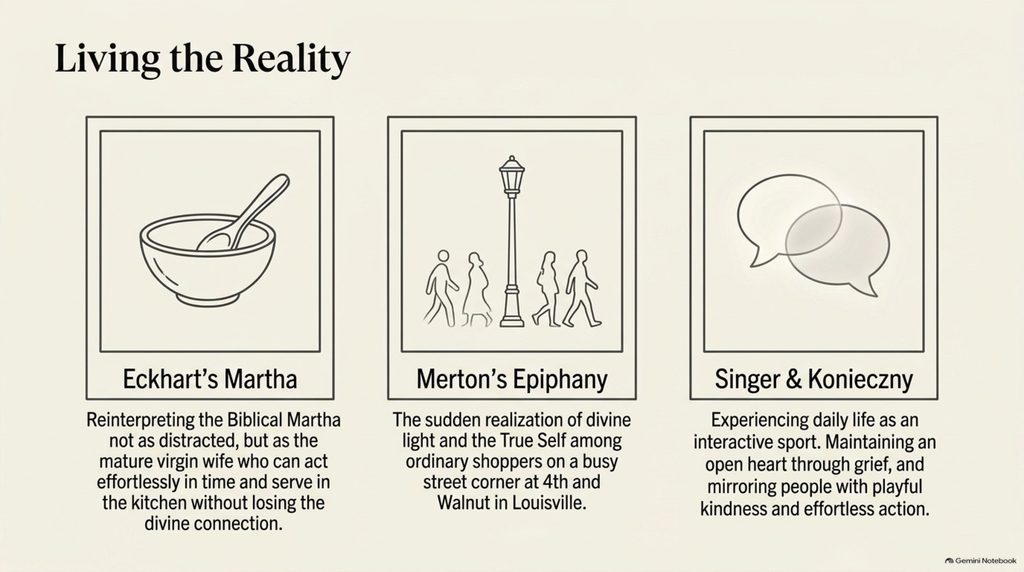
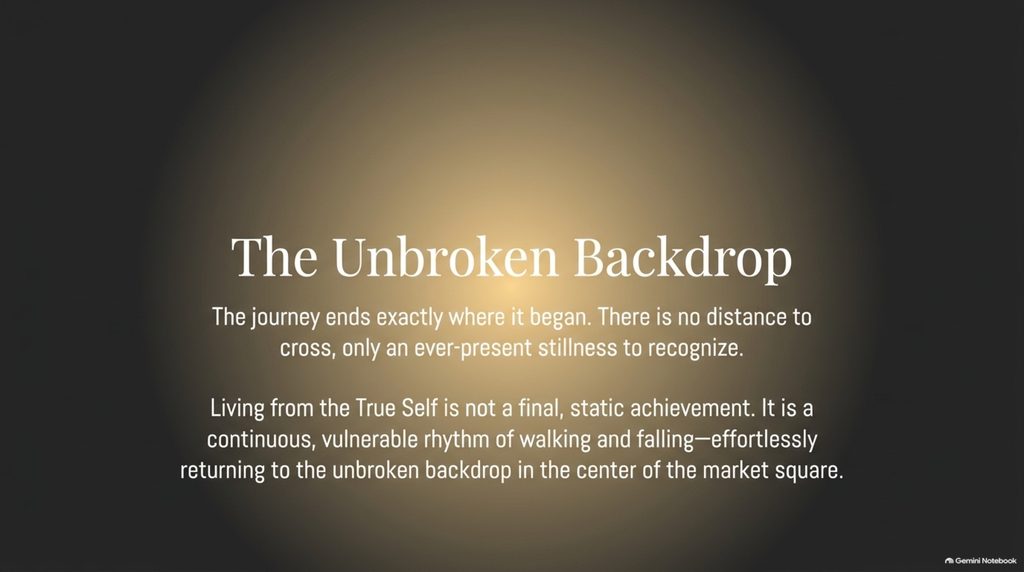
| Everyday Life Integration | Awareness is the unbroken backdrop present inside every emotion or state, requiring no withdrawal from the world. | Eckhart’s elevation of Martha as the mature “virgin wife” acting in time; Merton’s 4th and Walnut epiphany; Francis’s rotating hermitage roles. | Experiencing life as an “interactive sport” while staying open in Singer; mirroring people with “playful kindness” and effortless action in Russ. |
Key Synthesis Across Your Sources
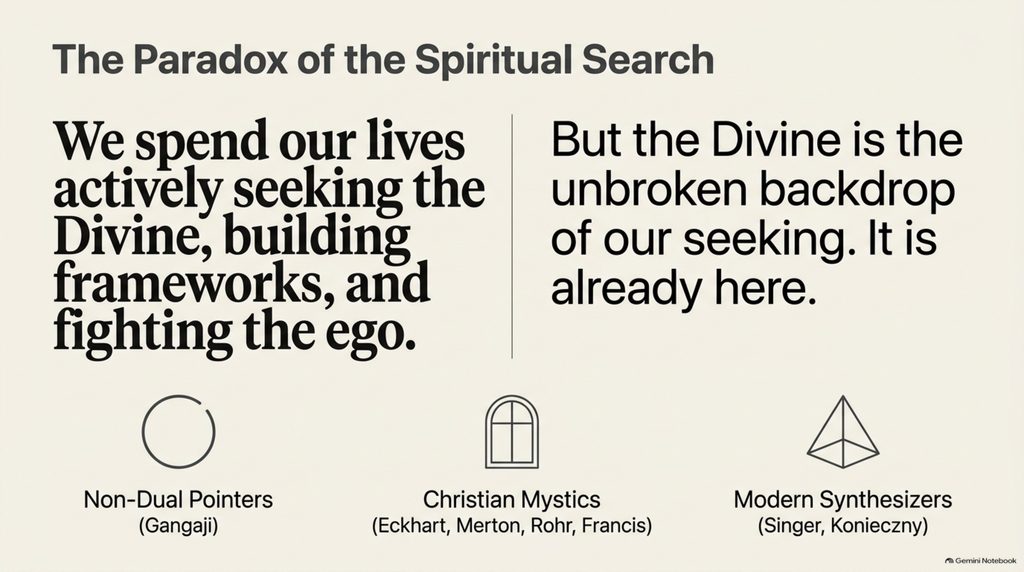
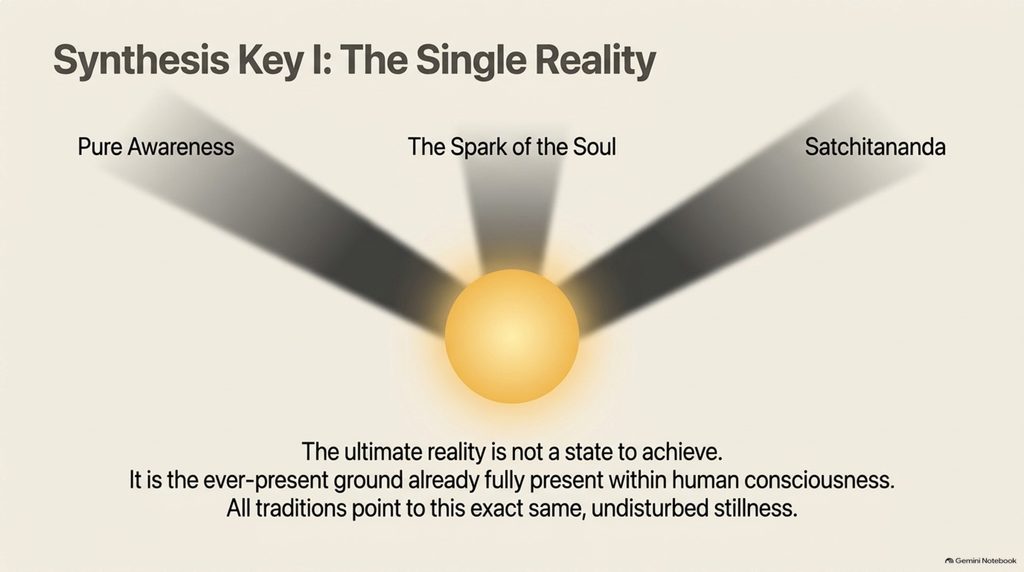
- The Single Reality Under Different Names: Whether termed pure awareness, the spark of the soul, the True Self, or Satchitananda, all of these traditions agree that the ultimate divine reality is not a distant object to be acquired. It is an ever-present ground that is already fully present within human consciousness.
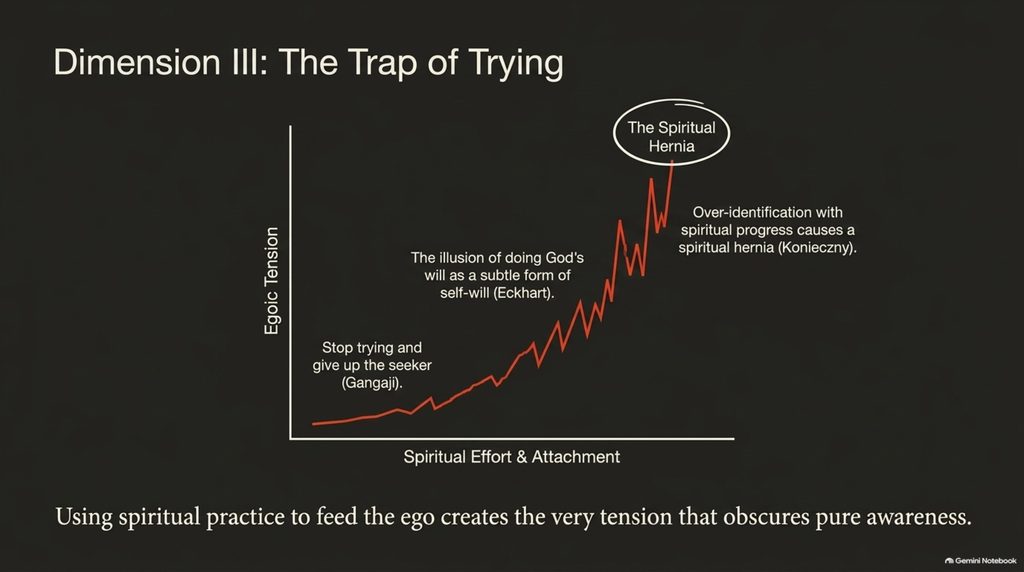
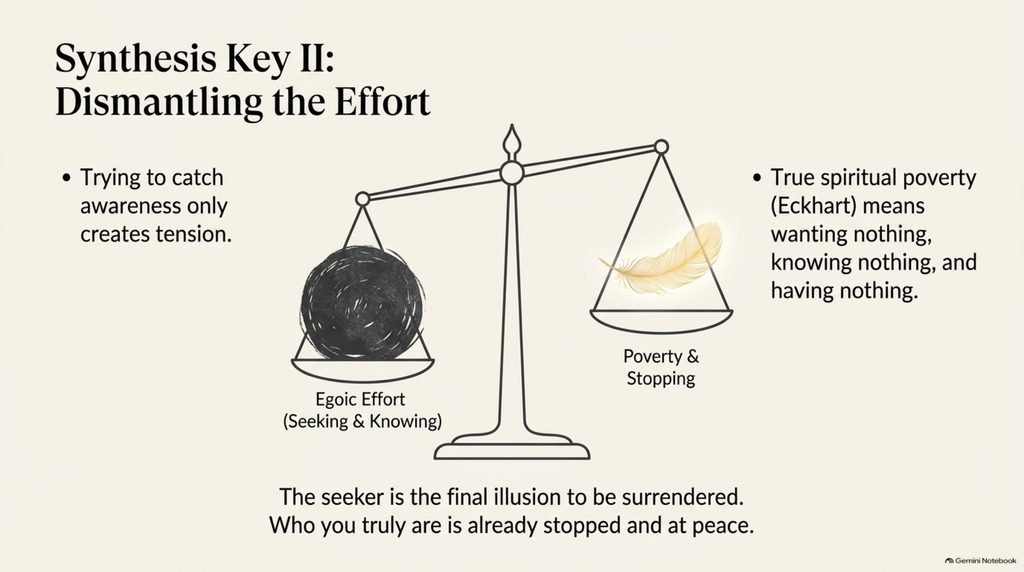
- Dismantling the Egoic Effort: Each teacher warns against using spiritual practice to feed the ego. Gangaji emphasizes that trying to catch awareness creates tension, mirroring Meister Eckhart’s assertion that true poverty requires abandoning even the self-will to “do God’s will”. Russ Konieczny similarly notes that getting overly attached to one’s spiritual progress leads to a “spiritual hernia”.
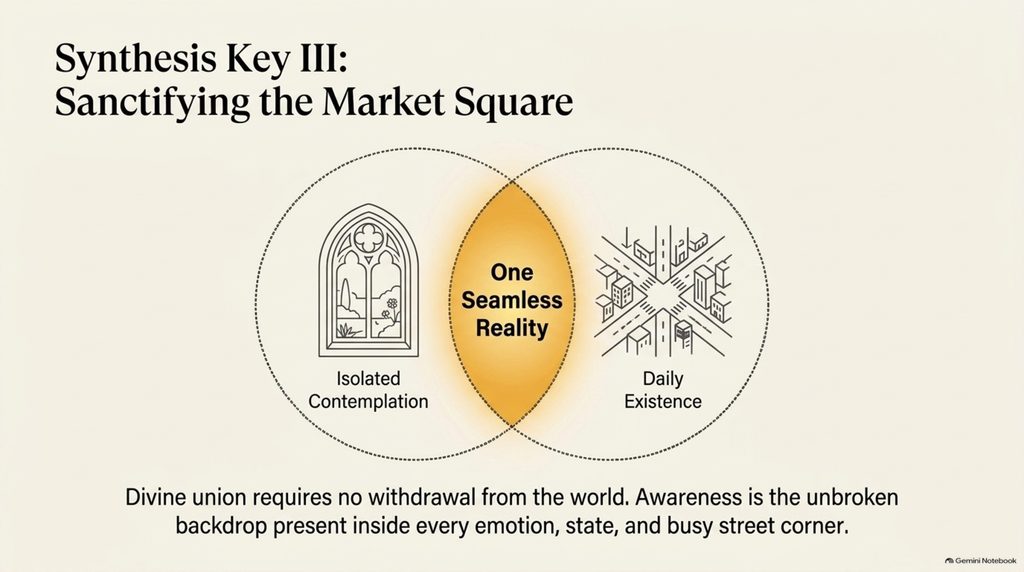
- Sanctifying the “Market Square”: Far from advocating a retreat into isolated contemplation, these thinkers demonstrate that divine union manifests directly in daily life. Eckhart’s reinterpretation of Martha serving in the kitchen, Merton’s realization of divine light among shoppers on a busy Louisville street corner, and Singer’s perspective on maintaining an open heart through life’s grief and everyday experiences all point to the same truth: the sacred and the mundane are one seamless reality.
Leave a Reply