Shared at Garden Of Friends, August 21, 2026
Claude.ai:
This passage is the preface to “Laws of Form” by G. Spencer-Brown (George Spencer-Brown), first published in 1969. It’s a foundational text in mathematics and logic that introduces a calculus of indications — it’s had a curious afterlife, influencing fields far outside math, including cybernetics, systems theory, and even some strands of consciousness studies (Spencer-Brown was close to figures like Alan Watts).
Laws of Form
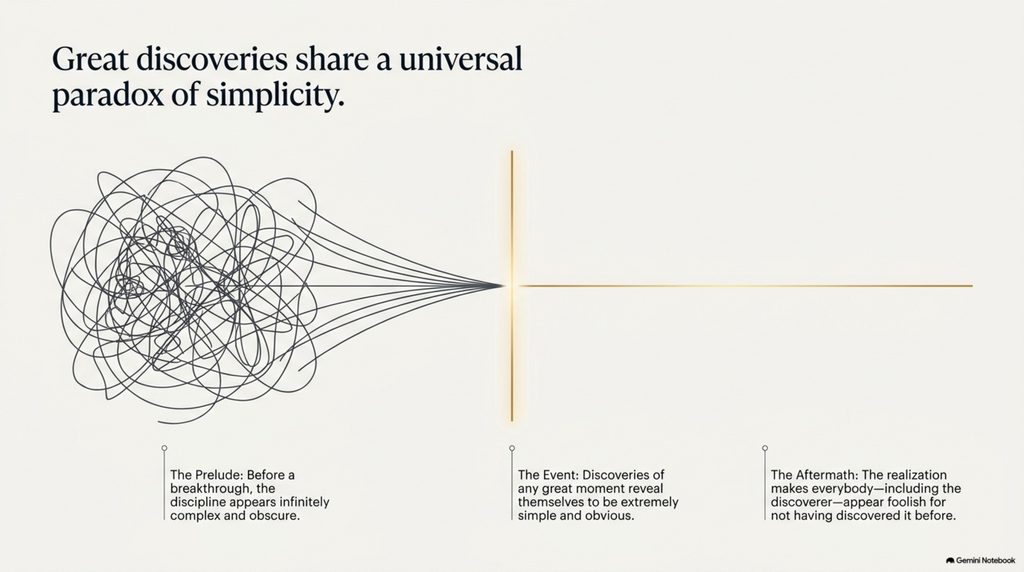
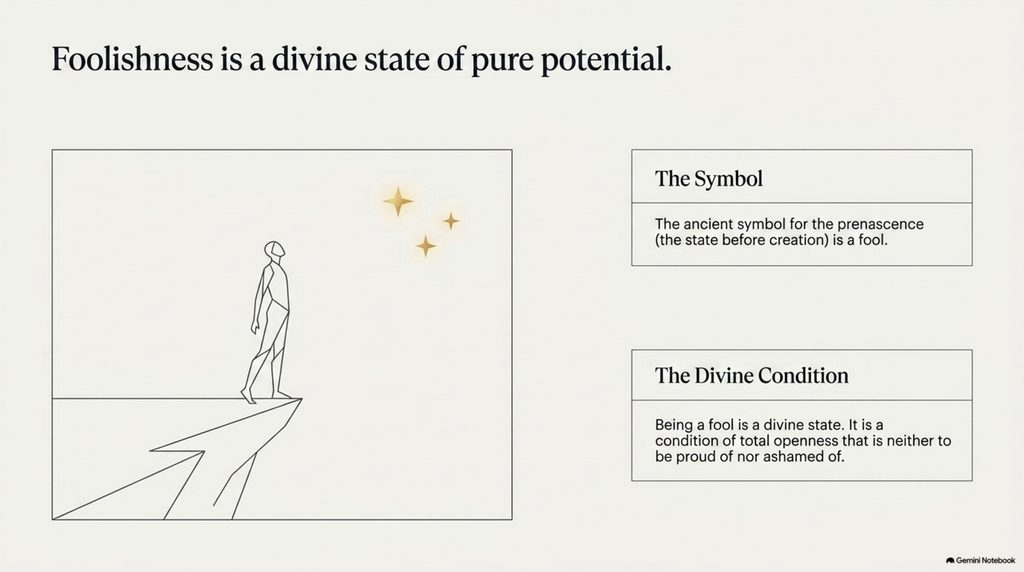
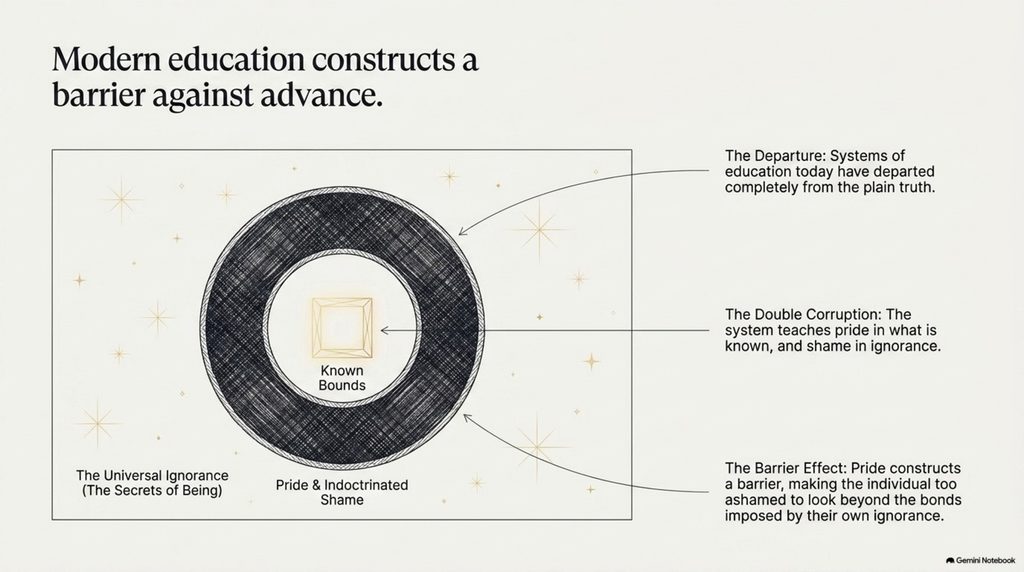
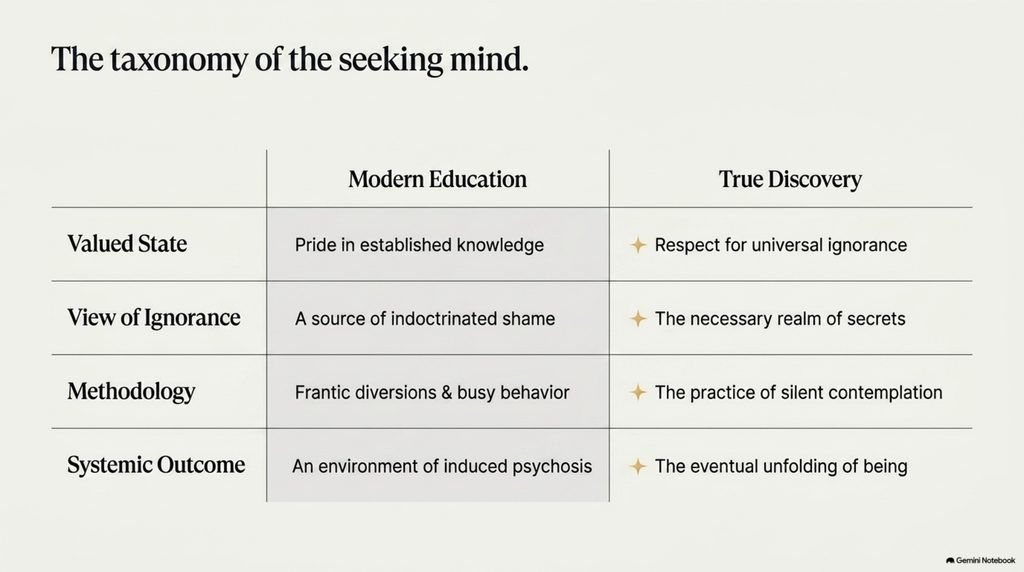
Discoveries of any great moment in mathematics and other disciplines, once they are discovered, are seen to be extremely simple and obvious, and make everybody, including their discoverer, appear foolish for not having discovered them before. It is all too often forgotten that the ancient symbol for the prenascence is a fool, and that foolishness, being a divine state, is not a condition to be either proud or ashamed of. Unfortunately, we find systems of education today which have departed so far from the plain truth, that they now teach us to be proud of what we know and ashamed of ignorance. This is doubly corrupt. It is corrupt not only because pride in itself is a mortal sin, but also because to teach pride in knowledge is to put up a barrier against any advance upon what is already known, since it makes one ashamed to look beyond the bonds imposed by one’s ignorance.
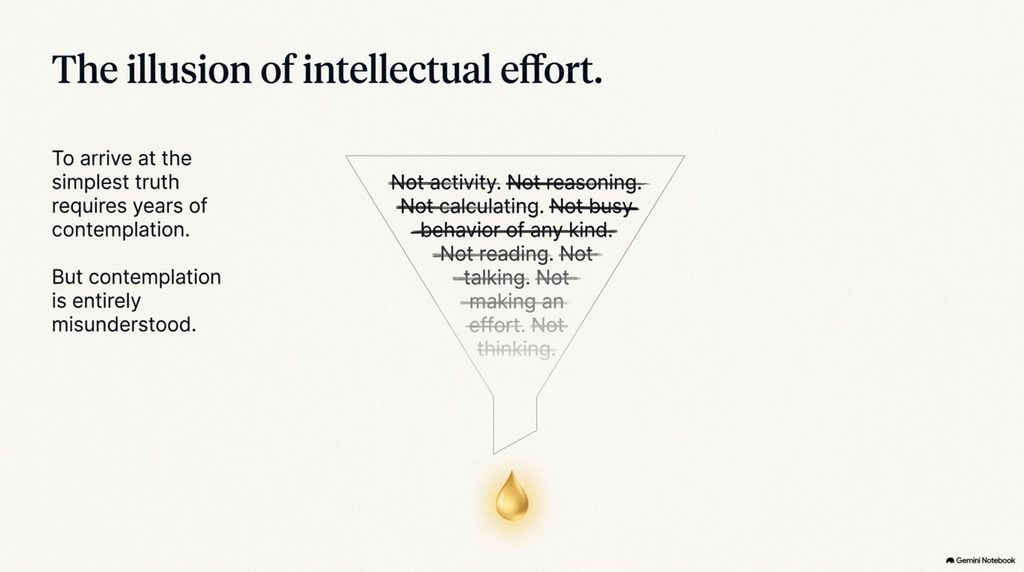
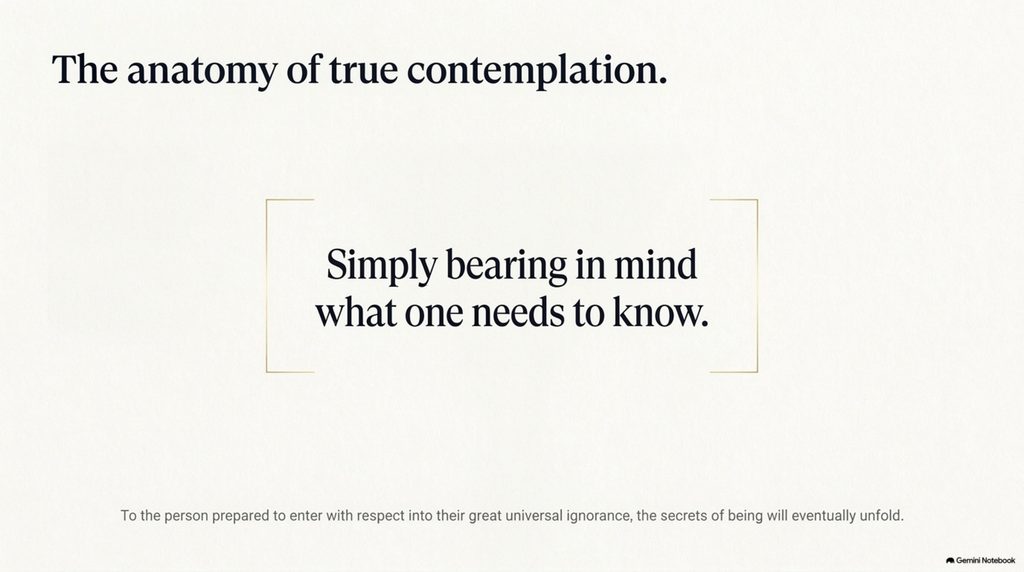
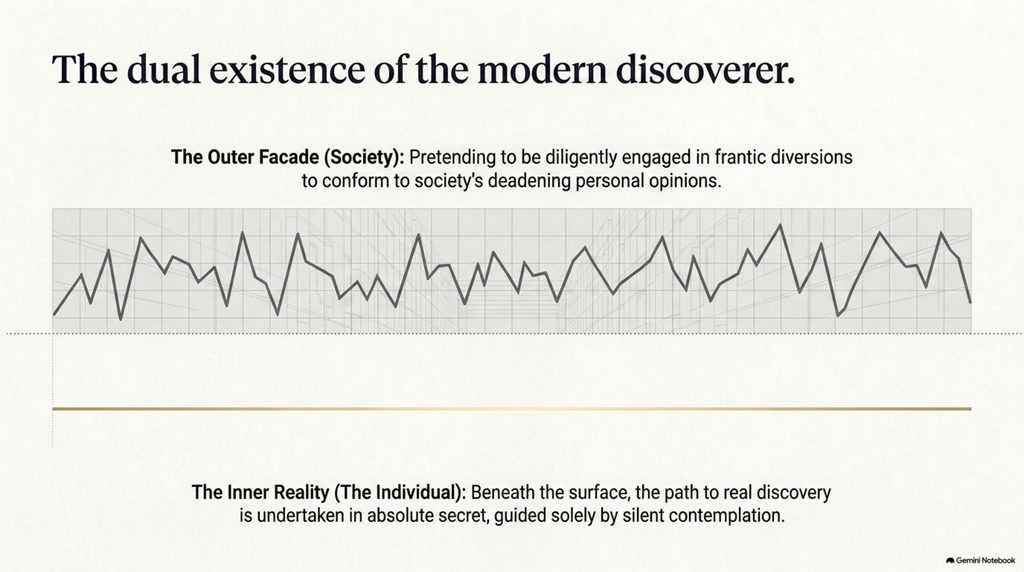
To any person prepared to enter with respect into the realm of his great universal ignorance, the secrets of being will eventually unfold, and they will do so in a measure according to his freedom from natural and indoctrinated shame in his respect of their revelation. To arrive at the simplest truth, as Newton knew and practiced, requires years of contemplation. Not activity. Not Reasoning. Not calculating. Not busy behavior of any kind. Not reading. Not talking. Not making an effort. Not thinking. Simply bearing in mind what one needs to know. And yet those with the courage to tread this path to real discovery are not only offered practically no guidance on how to do so, they are actively discouraged and have to set about it in secret, pretending meanwhile to be diligently engaged in frantic diversions and to conform with the deadening personal opinions which are being continually thrust upon them.
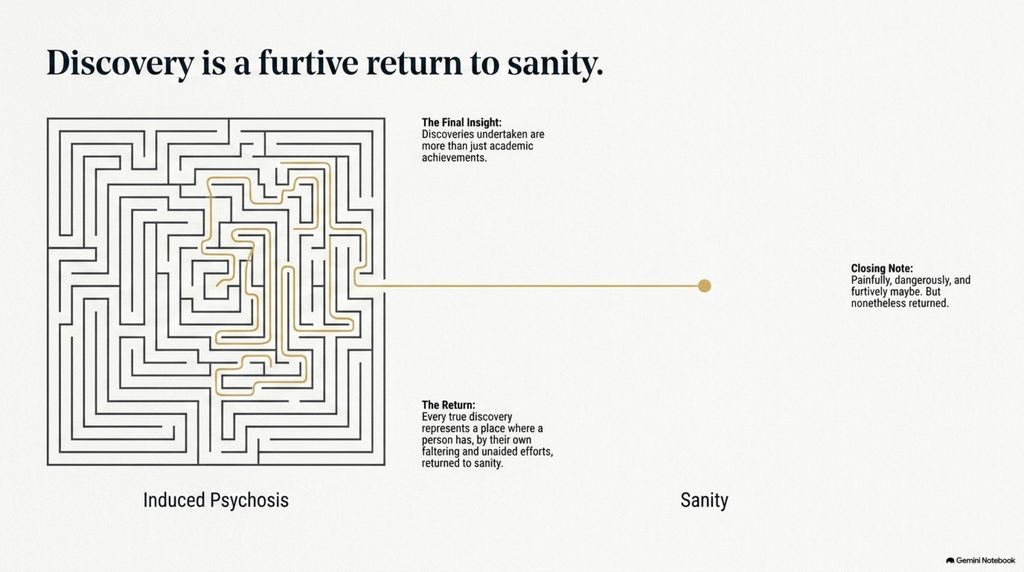
In these circumstances, the discoveries that any person is able to undertake represent the places where, in the face of induced psychosis, he has, by his own faltering and unaided efforts, returned to sanity. Painfully, and even dangerously, maybe. But nonetheless returned, however furtively.
NotebookLM:


Leave a Reply