Thank you Russ:
4 practicals from Grandma who worked in the psych ward….
1. Talk at a slightly slower and lower tone than who you are talking with.
2. ask “How’s your day been going?” instead “of how are you doing?”
3. Instead of “calm down” or you “need to relax” get them to do something with there body…stand over here or sit over here….or a simple request for a cup of water.
4. State facts to give a frenzied mind to focus on….basic facts listed with a calm tone will help.
Summary provided by Memo AI App:
Fear and belonging inquiry
- 2026-10-16 [[Garden Of Friends]]
Action Items
- (Speaker H) Write a post about BasicWisdoms.com
Key Points
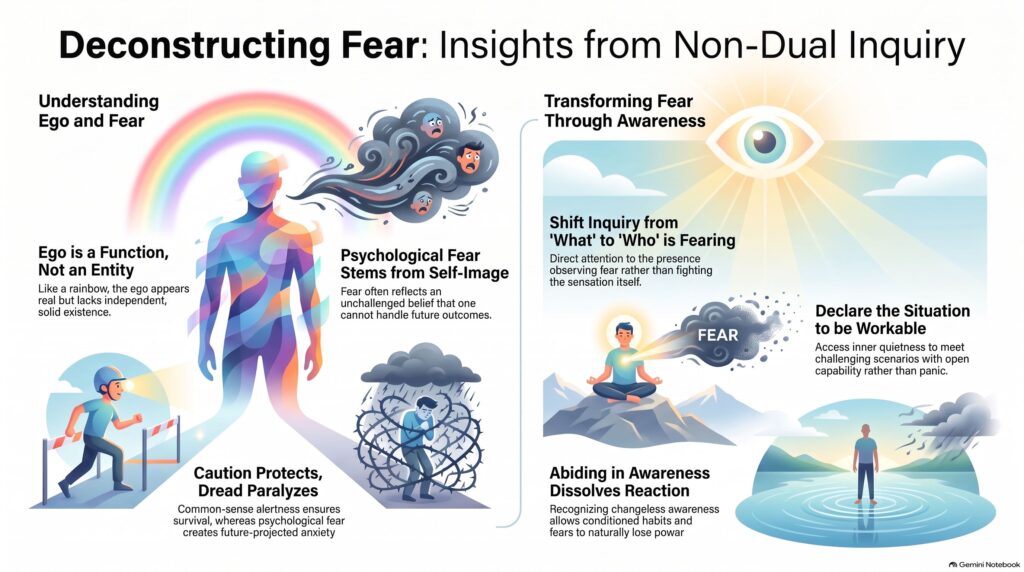
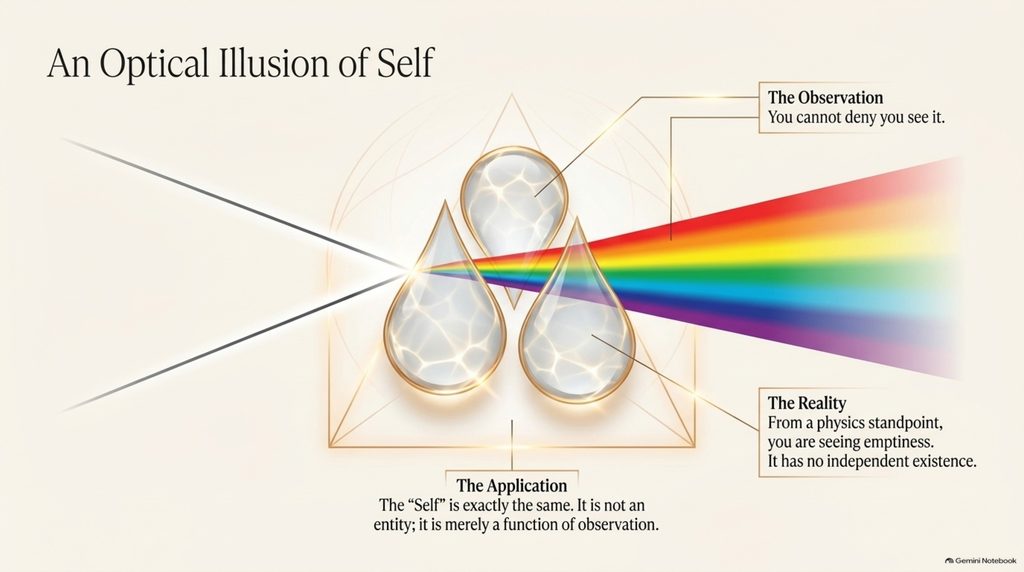
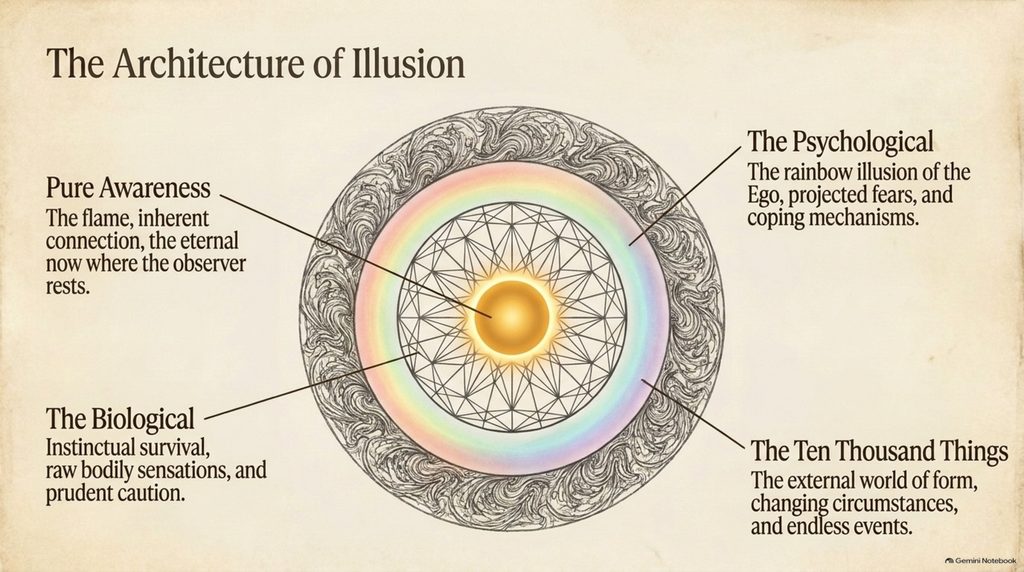
- Self compared to a rainbow
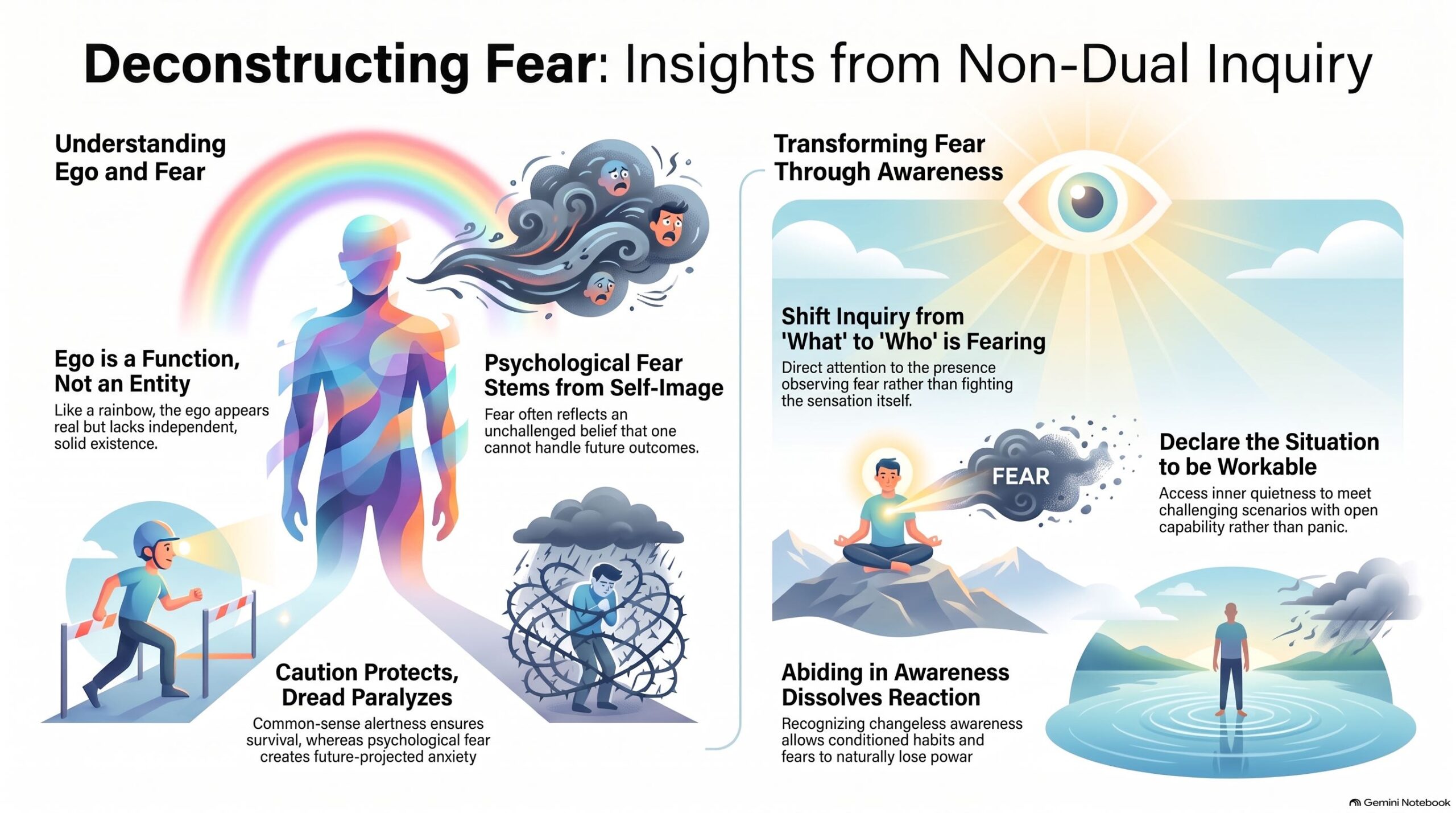
- Fear often projects incapacity
- Presence is never lost
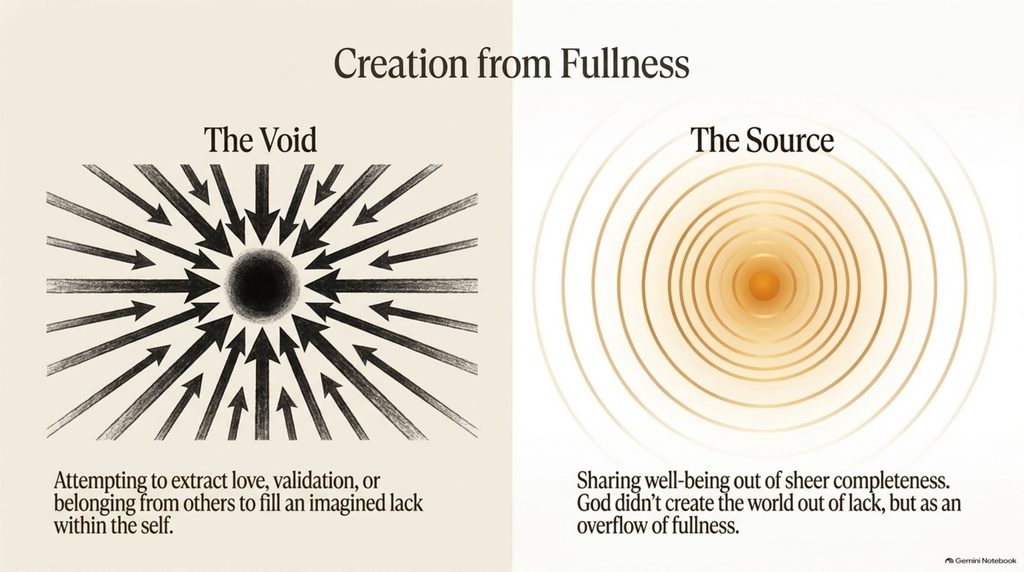
- Belonging can arise from fullness
Overview …
| Topic | Detail |
|---|---|
| Self | Rainbow analogy for little me |
| Ego | Function, not an entity |
| Fear | Projection of incapacity |
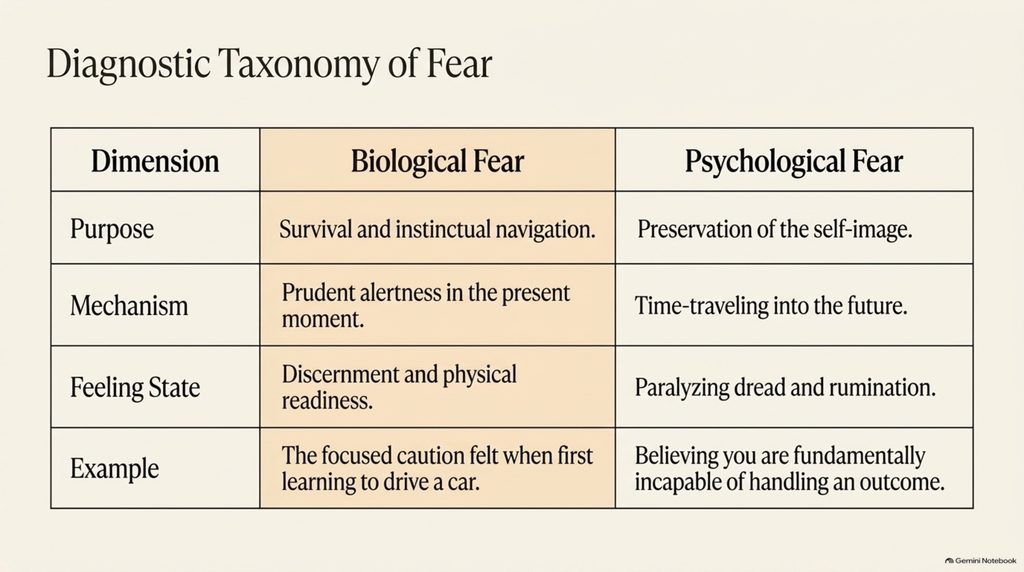
| Caution | Different from dread paralysis |
| Presence | Never actually lost |
| Belonging | Often sought through others |
| Separation | Produced by thinking |
| Healing | Return to wholeness |
[[2026-10-16]] This conversation explores fear, self, presence, belonging, and practical inquiry from a nondual perspective.
Self
The opening frames the personal self as something that appears but lacks independent substance.
| Rainbow | visible but not independently existent |
|---|---|
| Ego | function, not an entity |
| The comparison holds because experience still registers it. The point is not to deny appearance, but to question what kind of existence it has. |
The self is like a rainbow: seen clearly, yet empty in itself.
Fear
The main discussion turns to fear, especially whether it has any healthy role. The group distinguishes fear from caution and keeps returning to the question of how to relate to fear rather than how to eliminate it.
- Fear without love can turn destructive.
- Fear can call for caution or prudent assessment.
- Fear often centers on outcomes that are not wanted.
- The mind treats limited possibilities as the whole picture.
- Fear usually projects into the future.
A repeated thread is that fear should not simply be suppressed. It can be heard as a signal, but its story does not have to be believed.
Working view: Do not follow fear automatically; examine it, feel it, and question the beliefs attached to it.
Projection
Several examples treat fear as a projection of self-image rather than a property of the situation itself.
- Fear often reflects a belief: “I am not capable.”
- Past memory can attach dread to a present situation.
- Heavy traffic can trigger more than simple alertness.
- Looking at who is afraid loosens the projection.
Another distinction sharpens the discussion. Caution, prudence, and discernment feel different from dread and paralysis, even when both respond to risk.
Body
The bodily side of fear matters because it shows up before concepts get refined.
- Fear can feel like chest heaviness, sweating, and restlessness.
- Bodily sensation helps identify a fearful thought in real time.
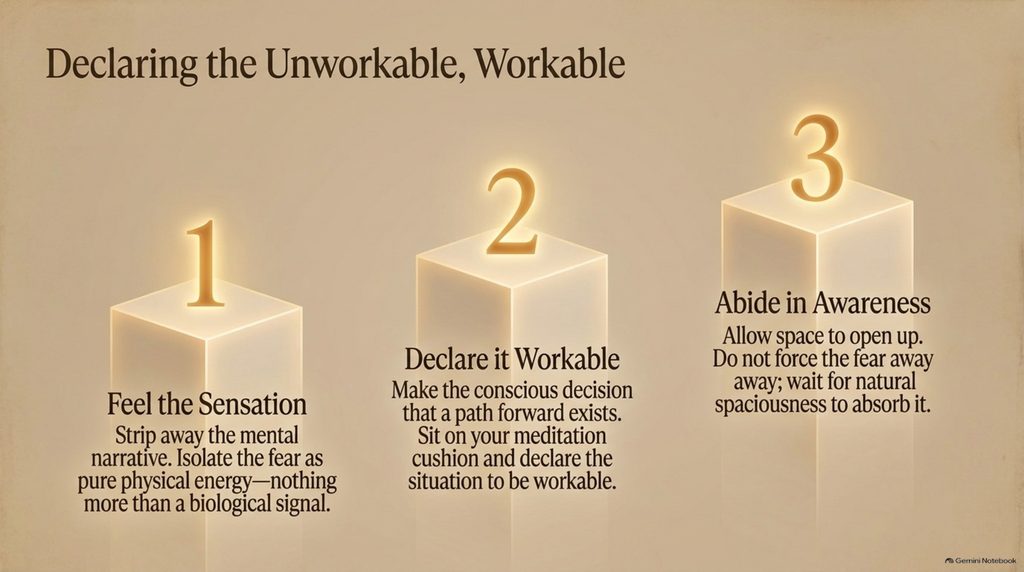
- A sensation can be felt directly before words build a story around it.
One teaching offered here is to declare a situation workable. Another reformulation says the same movement does not require a literal meditation seat; it can mean finding an inner place of rest.
Presence
The conversation shifts from fear itself to the deeper orientation of awareness and presence. The recurring claim is that inquiry does not remove life experience but changes the way it is held.
- Everything can become an invitation to ask what is aware of this.
- Presence is not actually lost.
- Attention moves, but that which is attentive does not change.
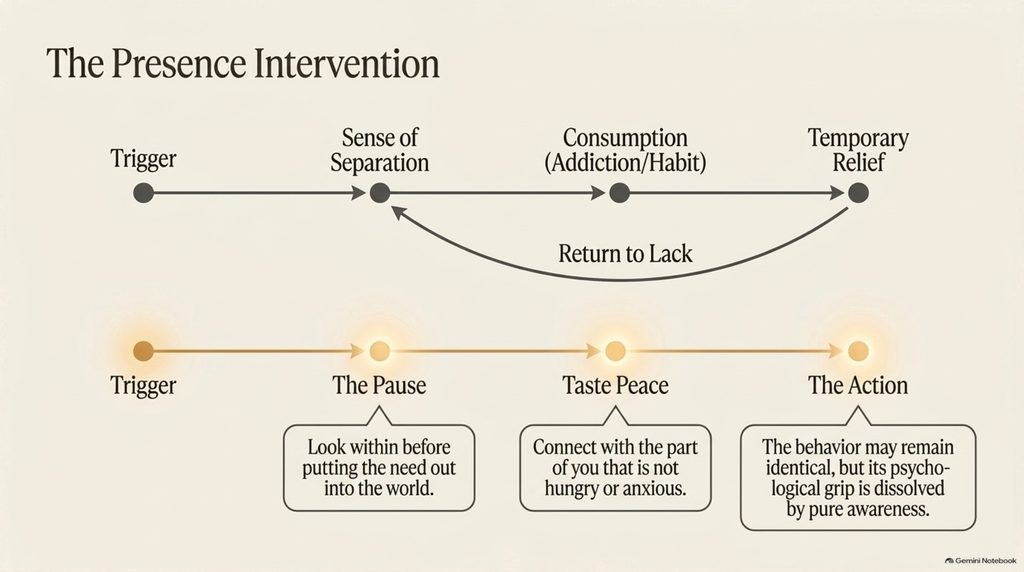
A practical inward turn emerges here. Instead of immediately making discomfort into an outside object, the suggestion is to feel within first.
- Notice the feeling
- Look within first
- Stay before words
- Let action follow
Examples make this concrete. One speaker describes disordered eating where the behavior initially seemed like absence of presence; later, presence was recognized in the middle of the behavior itself, and that changed its grip even before the habits fully changed.
Another speaker describes tasting peace before an activity and again after it. Over time, the behavior loses some of its power because the peace before and after becomes more distinct than the gratification itself.
Desire
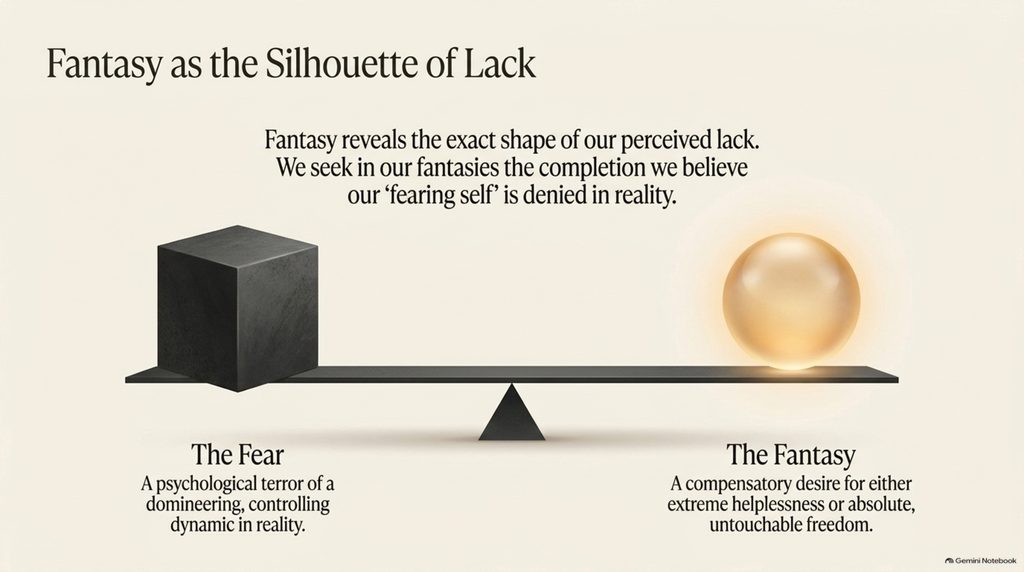
Desire, fantasy, addiction, and fetish are treated as clues to what the self-image thinks it lacks. The deeper movement points toward completion, safety, and wholeness.
- Fantasy can reveal what a person believes is missing.
- Addictive patterns aim at completion or okay-ness.
- Orgasm is used as a metaphor for temporary completion.
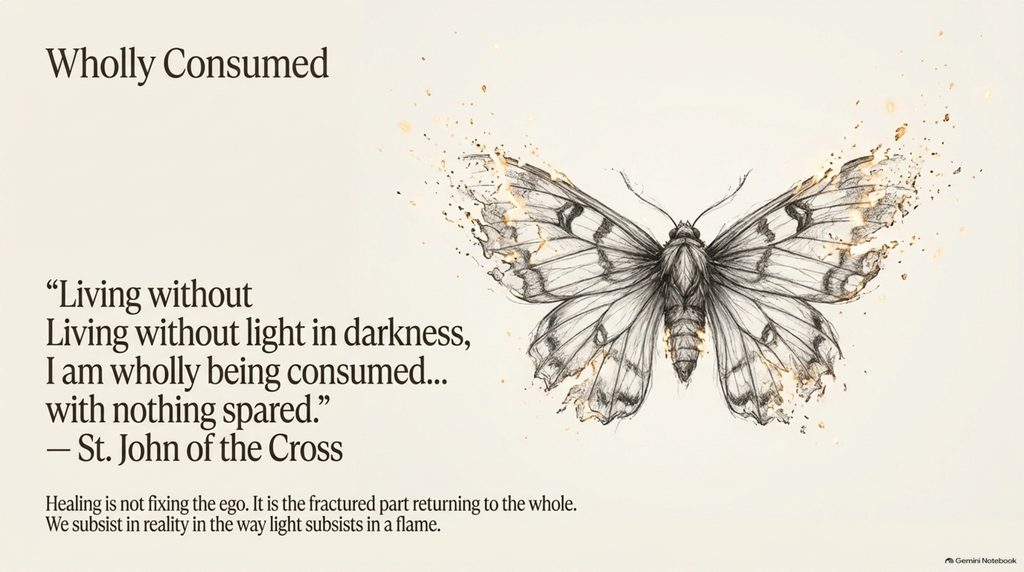
- Healing is described as return to wholeness.
The thread here is not moral condemnation. The point is that compulsive drives override common sense because they serve an unquestioned assumption about lack.
Belonging
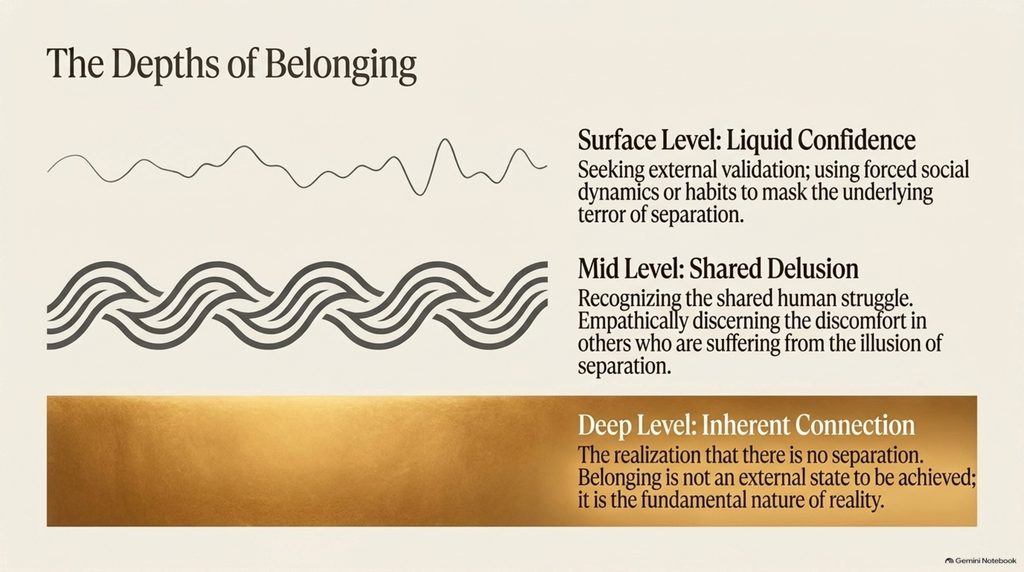
Belonging becomes a major emotional theme. The group links many social and spiritual movements to a deep sense of separation and the wish to belong.
- The need to belong can drive outward seeking.
- Separation often hides as a basic background assumption.
- Shared contemplation can create love, harmony, and synchronicity.
- Joy deepens when experience is shared.
- Connection can briefly dissolve egoic isolation.
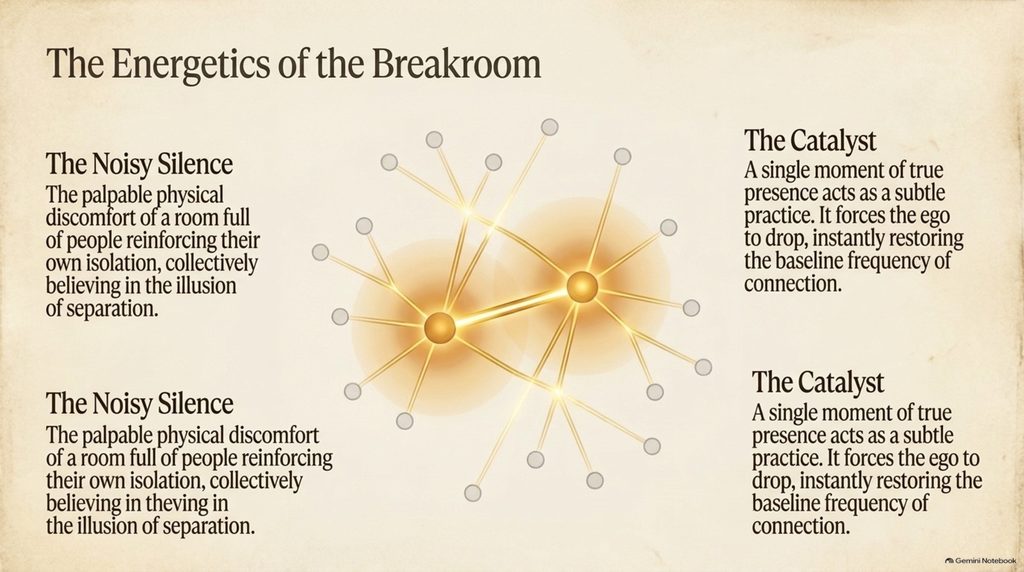
Several examples stay very ordinary: bars, sports crowds, work break rooms, and everyday social contact. In each case, belonging appears as something people seek through situations, groups, substances, or moments of contact.
A complementary view balances this. Reaching toward others does not have to come from deficiency; it can arise from fullness overflowing into relationship.
Non-separation
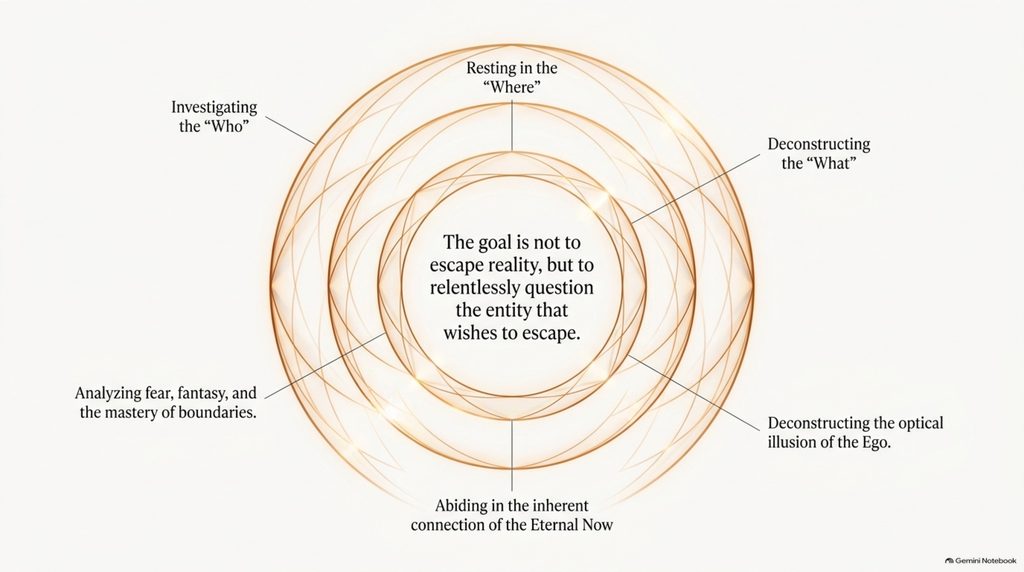
The wider frame is nonduality: separation is treated as a product of thought, while reality itself is indivisible.
- There is no real separation in essence.
- Thinking creates otherness.
- Evil is not treated as a separate entity.
- It is tied to projection, resentment, and loathing.
- Most people are seen as basically good beneath conditioning.
The group also treats connection as energetic and practical. Some people calm a room, some spread agitation, and simple embodied responses can regulate interaction more effectively than abstract advice.
Inner practice
A practical style of inquiry takes shape through the discussion. It centers on returning from objects to the felt sense and to awareness itself.
- Look within before turning discomfort into an external pursuit.
- Sit with a feeling before naming it.
- Trust that life lives itself.
- Let each circumstance remove another veil rather than become a self-improvement project.
This culminates in a present-centered view. The body changes and experience changes, but the aware presence in which they appear is treated as untouched.
References
A few texts and teachings are brought in because they support the same inquiry.
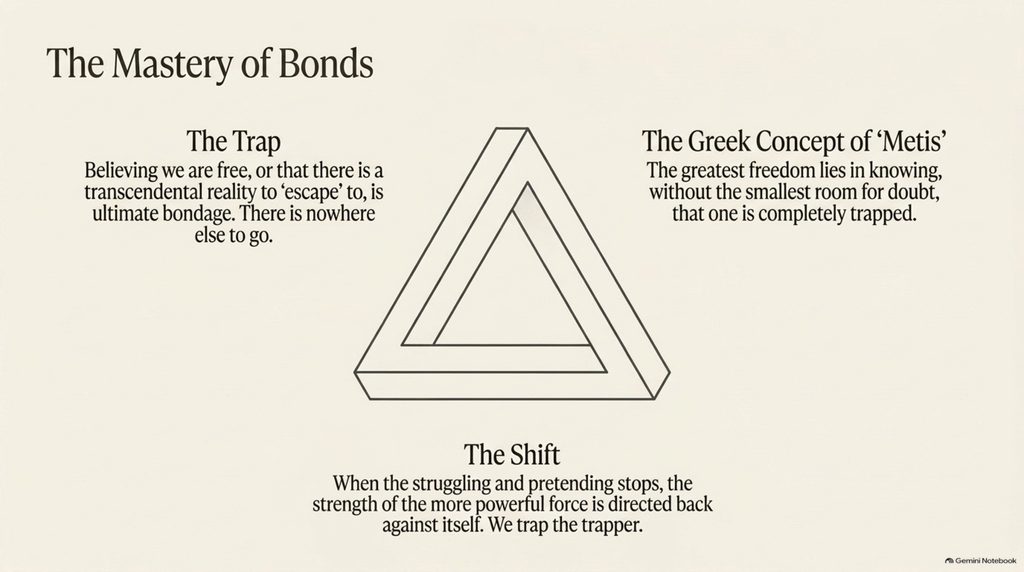
- Reality by Peter Kingsley is read as a meditation on being trapped and turning the force of the trap back on itself.
- St. John of the Cross is read for imagery of being wholly consumed in God.
- The Short Path to Enlightenment by Paul Brunton is recommended as a concise spiritual pointer.
Shame
The closing distinction separates embarrassment from shame and treats both as part of identity work.
- Shame adds a second layer to fear.
- It says fear should not be happening.
- Embarrassment can feel natural and light.
- Playfulness softens contraction around self-image.
The final mood is forgiving rather than corrective: what was overlooked was overlooked unknowingly, and that recognition itself opens some release.



Leave a Reply